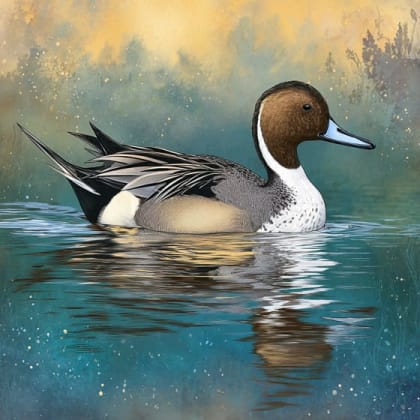
Marbled Godwit
Limosa fedoa
The Marbled Godwit is a tall, long-legged bird with a beautiful, patterned body. It loves to wade in shallow waters looking for yummy snacks like worms and insects.
生息地: Coastal areas
The Marbled Godwit has long bluish-gray legs and a striking pinkish-orange bill with a dark tip that curves slightly upwards. Its body plumage is mottled brown and buff, creating a distinct marbled pattern which helps it blend into marshy environments.
カテゴリ
鳥類レア度
Common
危険度
1/5 · 非常に低い
スナップ
最初にスナップしよう!
Godwit chicks can walk and feed themselves just hours after hatching!
Marbled Godwits communicate with 'god-wit' calls, giving them their name!
Their long, upturned bill is perfect for probing deep into soft mud!
They nest in a simple scrape on the ground, often hidden by tall grass.
Marbled Godwit can feel buried worms with its sensitive bill because of nerve endings that help them detect hidden prey.
Marbled Godwit has long legs that help them wade into deeper water without getting their bodies wet to find food.
Marbled Godwit can fly thousands of kilometers non-stop because of strong wings that help them reach distant wintering grounds.
They probe muddy wetlands and coasts, using their long bills to find worms, insects, and tiny shellfish.
Arenicola marina
A common prey item found in muddy substrates.
Palaemonetes pugio
Small crustaceans often foraged in shallow waters.
Canis latrans
Can prey on eggs, chicks, or adult godwits.
Bubo virginianus
A nocturnal raptor that preys on various birds.
羽毛に覆われている動物(主に鳥類)を指します。
社会性動物は組織的な群れで生活し、採餌、防衛、子育てなど、生存に有利になるよう協力し合います。
周囲の環境に溶け込むような色や模様を持つ生物の特徴を指します。
この特性は、主に昆虫やその他の小型無脊椎動物を食べる生物を示します。

沿岸の生息地は、陸と海の境界に位置し、潮の満ち引き、波、海水の影響を受けるダイナミックな環境です。

この特性は、狩り、逃走、または移動において、並外れた素早さを見せる生物を示します。

昼行性の動物は主に日中に活動し、通常は夜間に休息や睡眠をとります。

移動性の動物は、気候の変化や食べ物の有無に合わせて、季節ごとに地域から地域へと移動します。

「絶滅のおそれ」のステータスは、効果的な保全活動を行わなければ近い将来に絶滅危惧種になる可能性が高い種を示しています。
まだ別名はありません。
危険度
1/5 · 非常に低い
Always watch birds from a distance and be quiet so you don't scare them away.
40-50 cm
70-80 cm
0.25-0.45 kg
5-13 年
60 km/h
They probe muddy wetlands and coasts, using their long bills to find worms, insects, and tiny shellfish.
Coastal areas
Foraging
ズームインしてクラスターを分割し、このオブジェクトが撮影された場所を探索しましょう。
新しい観察が追加されると、ここに最近のスナップが表示されます。




.jpg)




%2C_Point_Lobos%2C_CA%2C_US_-_May_2013.jpg&width=800)