Marsh Tit
Poecile palustris
The Marsh Tit is a small, friendly bird that loves to flit around in bushes and trees. It has a cute black cap on its head and a soft, brown body. You can often hear its cheerful calls in the woods!
生息地: Woodlands
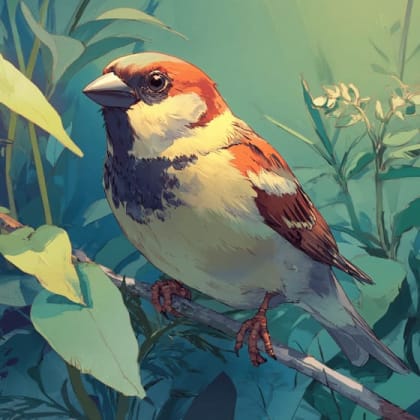
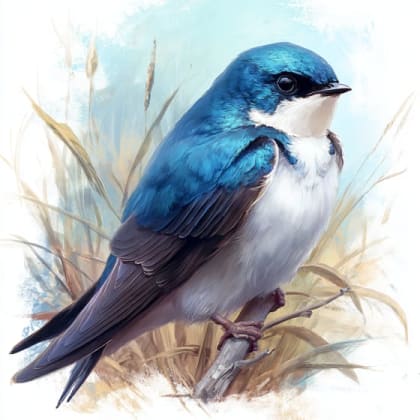
The Marsh Tit has a glossy, jet-black cap extending to its nape, striking white cheeks, and a small black bib. Its back is dull brown, contrasting with pale greyish-buff underparts. This bird looks very similar to the Willow Tit but has a shinier black cap and often lacks a pale wing panel.
カテゴリ
鳥類レア度
Common
危険度
1/5 · 非常に低い
スナップ
最初にスナップしよう!
Despite its name, the Marsh Tit usually prefers woods, parks, and gardens, not wet marshy areas!
Marsh Tits are very clever at finding the best places to hide their winter food, like a tiny treasure hunter.
These small birds are mostly homebodies, rarely traveling far from where they hatched their entire lives!
To tell Marsh Tits and Willow Tits apart, listen carefully: their calls sound very different to an expert ear!
Marsh Tit can store vast amounts of food in many secret spots, ensuring they have meals even in winter.
Marsh Tit has a diverse range of calls used to communicate with others and warn of danger, like a secret bird language.
Marsh Tit can cling to tiny twigs and hang upside down effortlessly, allowing it to find food others miss.
A tiny hunter and gatherer, they enjoy insects in summer and seeds, berries, and nuts in winter.

Accipiter nisus
A fast predator that hunts small birds in woodlands.

Strix aluco
A nocturnal hunter that preys on small woodland birds.
Quercus robur
Provides shelter and food like acorns and insects for the tit.
Araneus diadematus
Marsh Tits actively forage for spiders and insects.
羽毛に覆われている動物(主に鳥類)を指します。
社会性動物は組織的な群れで生活し、採餌、防衛、子育てなど、生存に有利になるよう協力し合います。
さえずったり歌ったりする動物は、つがいの相手を惹きつけたり、縄張りを守ったり、同種間でコミュニケーションをとるために、複雑な声を出します。
樹上性の動物は主に木の上で生活し、木を住処や餌場、天敵から身を守る場所として利用します。

この特性は、主に昆虫やその他の小型無脊椎動物を食べる生物を示します。

森林の生息地は木々が密集して生い茂る陸上環境であり、多種多様な動植物の命を支えています。

この生息地特性は、湿地(年間を通して、または季節的に水に浸かっている沼や湿原などの土地)で見られる種を示します。

昼行性の動物は主に日中に活動し、通常は夜間に休息や睡眠をとります。
まだ別名はありません。
危険度
1/5 · 非常に低い
Enjoy watching birds from a distance and don't try to touch them.
11-12 cm
18-20 cm
0.009-0.012 kg
2-5 年
35 km/h
A tiny hunter and gatherer, they enjoy insects in summer and seeds, berries, and nuts in winter.
Woodlands
Foraging
ズームインしてクラスターを分割し、このオブジェクトが撮影された場所を探索しましょう。
新しい観察が追加されると、ここに最近のスナップが表示されます。