





Monkeyflower Non-biting Midge
Metriocnemus erythranthei
The Monkeyflower Non-biting Midge is a tiny insect that loves to hang around water. They are so small that you might not even notice them, but they play an important role in nature by helping plants grow.
生息地: Wetlands
The Monkeyflower Non-biting Midge is a tiny, delicate insect, typically pale brown or grayish with clear wings. It has slender antennae, which are feathery in males, and does not possess the long, piercing proboscis seen in mosquitoes.
カテゴリ
昆虫レア度
Common
危険度
1/5 · 非常に低い
スナップ
最初にスナップしよう!
Adult Monkeyflower Midges live only a few days, focused on finding a mate and laying eggs.
Each female midge can lay hundreds of eggs, ensuring new generations of flower-dwellers.
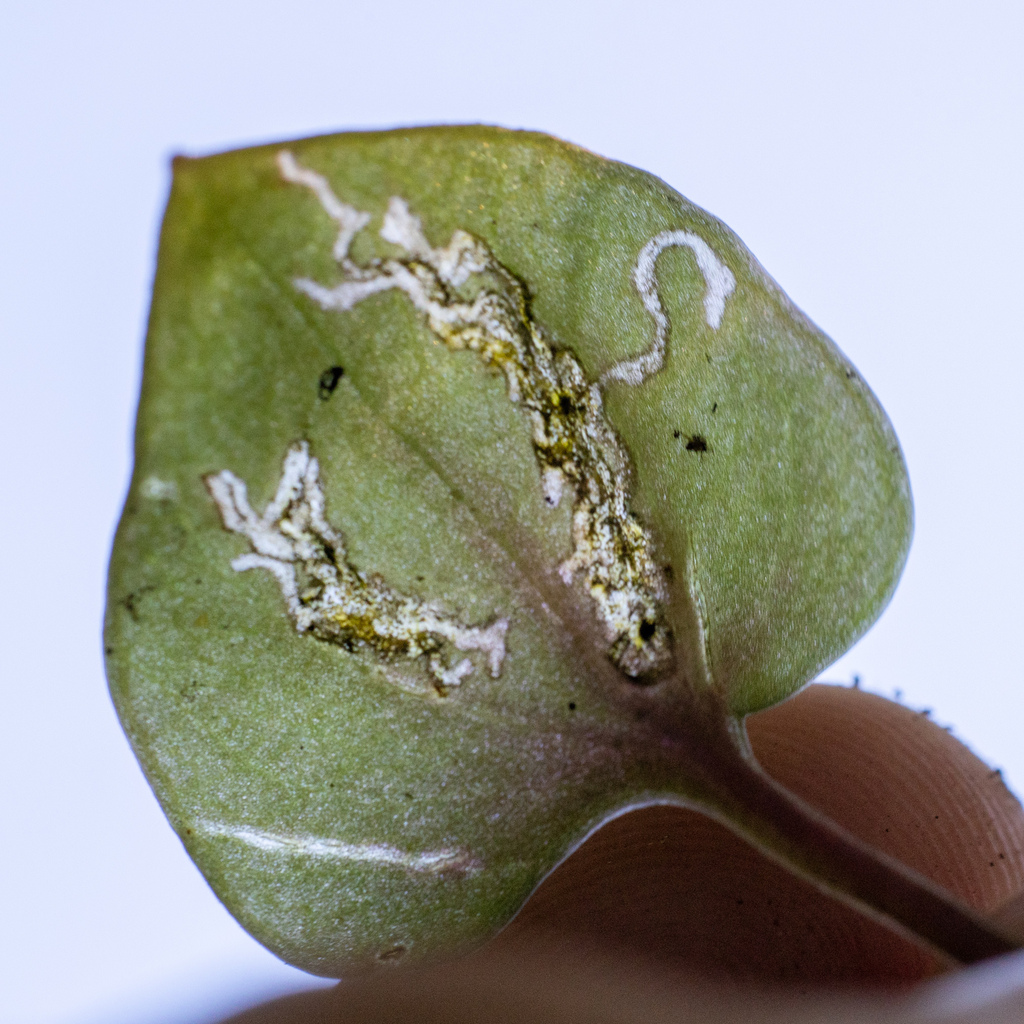
These tiny midges spend their caterpillar-like youth entirely hidden inside a monkeyflower bloom!
They look like mosquitoes but don't bite; their mouthparts are too soft to pierce skin!
Monkeyflower Non-biting Midge can live its entire larval life inside a monkeyflower because its tiny body is adapted to feed on the plant.
Monkeyflower Non-biting Midge can sip nectar from flowers using delicate mouthparts that help them get energy without biting.
Monkeyflower Non-biting Midge helps pollinate flowers as it moves between them, transferring pollen to aid plant reproduction.
Adults sip nectar from flowers; larvae eat plant tissue from inside monkeyflowers.
年齢による違い: Larvae eat plant tissue, while adults consume nectar.
Erythranthe guttata
Larvae develop and feed exclusively within its blossoms.
Erythranthe guttata
Adult midges help transfer pollen between flowers.
Misumena vatia
These spiders ambush adult midges resting on flower petals.
Melospiza melodia
Sparrows forage for insects like midges among vegetation.
社会性動物は組織的な群れで生活し、採餌、防衛、子育てなど、生存に有利になるよう協力し合います。
ろ過食動物は、水中に浮遊する食べ物の粒や小さな生物をこし取ることで栄養を得ます。
食事のすべて、または大部分が植物で構成されている生物が持つ特徴です。
この生息地特性は、湿地(年間を通して、または季節的に水に浸かっている沼や湿原などの土地)で見られる種を示します。

その存在と役割が環境に対して極めて大きな影響を与える種を指します。

昼行性の動物は主に日中に活動し、通常は夜間に休息や睡眠をとります。

同種の標準や平均と比べて著しく小さい種に関する特徴。

淡水の生息地には、川、湖、池、湿地などの塩分を含まない水辺の環境が含まれ、多くの生物にとって不可欠な場所です。

花粉を運び、植物の受粉と繁殖を助ける生物のことを指します。
まだ別名はありません。
危険度
1/5 · 非常に低い
These insects are safe and won't hurt you, so you can enjoy watching them!
2-8 mm
1-5 mm
1-7 日
Adults sip nectar from flowers; larvae eat plant tissue from inside monkeyflowers.
Wetlands
Foraging
6
ズームインしてクラスターを分割し、このオブジェクトが撮影された場所を探索しましょう。
新しい観察が追加されると、ここに最近のスナップが表示されます。








_Eristalis_arbustorum_on_Ammi_majus.jpg&width=800)





