






Northern Red-legged Frog
Rana aurora
The Northern Red-legged Frog is a small, colorful frog with bright red legs. They love to hop around in wet places and are great at blending in with their surroundings.
生息地: Wetlands
The Northern Red-legged Frog has a reddish-brown back with scattered dark spots and a lighter, mottled underside. Its most distinctive feature is the reddish color on the underside of its hind legs and lower belly. It has relatively smooth skin, distinguishing it from warty toads.
カテゴリ
両生類レア度
Common
危険度
1/5 · 非常に低い
スナップ
最初にスナップしよう!
Baby red-legged frogs, called tadpoles, eat algae before growing their legs and lungs!
Their large egg masses, laid in water, can contain over a thousand tiny eggs!
These frogs perform a 'release call' if accidentally grabbed by another male!
They use their amazing eyesight to spot delicious insects in low light.
Northern Red-legged Frogs can breathe through their moist skin that helps them absorb oxygen directly from water.
Northern Red-legged Frogs has powerful hind legs that help them jump over 2 meters to escape danger or catch prey.
Northern Red-legged Frogs has a long, sticky tongue that helps them quickly snatch insects from the air.
Northern Red-legged Frogs can stay submerged for a long time because their skin absorbs oxygen, helping them hide.
These frogs are hunters, eating many small creatures they can catch with their quick tongue!
年齢による違い: Tadpoles are primarily herbivorous, feeding on algae and detritus before becoming carnivorous adults.
Thamnophis sirtalis
A frequent predator of frogs and tadpoles.

Ardea alba
Wading birds often hunt frogs in shallow waters.
_female.jpg&width=800)
Libellula depressa
Adult frogs hunt various insects, including dragonflies.
Lumbricus terrestris
Frogs forage for worms and other invertebrates.
単独行動をとる動物は、繁殖や子育ての時を除き、生涯のほとんどを1匹で生活します。
周囲の環境に溶け込むような色や模様を持つ生物の特徴を指します。
カラフルとは、生物や物体が明るくはっきりとした多様な色合いを見せることを指します。
この特性は、主に昆虫やその他の小型無脊椎動物を食べる生物を示します。

この生息地特性は、湿地(年間を通して、または季節的に水に浸かっている沼や湿原などの土地)で見られる種を示します。

昼行性の動物は主に日中に活動し、通常は夜間に休息や睡眠をとります。

淡水の生息地には、川、湖、池、湿地などの塩分を含まない水辺の環境が含まれ、多くの生物にとって不可欠な場所です。

「絶滅のおそれ」のステータスは、効果的な保全活動を行わなければ近い将来に絶滅危惧種になる可能性が高い種を示しています。

花粉を運び、植物の受粉と繁殖を助ける生物のことを指します。
まだ別名はありません。
危険度
1/5 · 非常に低い
Always wash your hands after touching frogs, as they can have sensitive skin.
4-10 cm
0.01-0.05 kg
5-7 年
8 km/h
These frogs are hunters, eating many small creatures they can catch with their quick tongue!
Wetlands
Ambush
750-1500
ズームインしてクラスターを分割し、このオブジェクトが撮影された場所を探索しましょう。
新しい観察が追加されると、ここに最近のスナップが表示されます。

Washington, US
ここで見られるかも ニワオニグモ, カモ と Fringed Willowherb.
ガイドを見る →

British Columbia, CA
ここで見られるかも Broad-Leaved Stonecrop, Salal と Pacific Sanicle.
ガイドを見る →
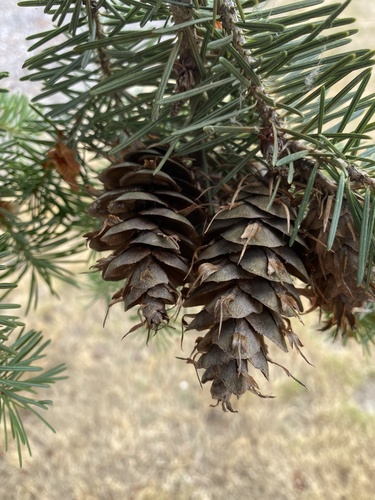
British Columbia, CA
ここで見られるかも ダグラスファー, Purple Foxglove と Oregon Oak.
ガイドを見る →

British Columbia, CA
ここで見られるかも ハクトウワシ, Ghost Pipe と Salmonberry.
ガイドを見る →

British Columbia, CA
ここで見られるかも Western Skunk Cabbage, Western Sword Fern と ベニテングタケ.
ガイドを見る →

British Columbia, CA
ここで見られるかも バナナナメクジ, Western Sword Fern と Red Huckleberry.
ガイドを見る →







.jpg&width=800)







