



Northern Two-lined Salamander
Eurycea bislineata
The Northern Two-lined Salamander is a small, yellowish salamander with two dark stripes. They love to live in cool, damp places and are great at hiding under rocks and logs!
生息地: Forests
The Northern Two-lined Salamander has a slender body with a yellow to orange-yellow back. It is distinctive for two prominent black lines running from behind its eyes down its sides, extending onto the tail. Its underside is typically a pale yellow.
カテゴリ
両生類レア度
Common
危険度
1/5 · 非常に低い
スナップ
最初にスナップしよう!
Sometimes they build underground tunnels near streams to stay cool and hidden!
Their name "bislineata" means "two-lined" in Latin, describing their stripes!
These salamanders can live under rocks and logs for many months during winter!
They spend their entire larval life living underwater as tiny gilled creatures!
Northern Two-lined Salamander can breathe underwater and on land through its moist skin and mouth lining because it has no lungs!
Northern Two-lined Salamander can drop its tail when grabbed by a predator, distracting the attacker and allowing the salamander to escape.
Northern Two-lined Salamander hunts at night, using its keen senses to find tiny insects and worms when predators are less active.
Northern Two-lined Salamander has speckled brown and yellow skin that helps it blend perfectly with rocks and leaves in its streambed home.
This tiny amphibian loves to snack on small insects, spiders, and other tiny invertebrates found near water!
年齢による違い: Larvae eat tiny aquatic invertebrates, while adults consume a wider variety of terrestrial and aquatic insects.
Salmo trutta
Large fish often prey on both adult and larval salamanders.
Thamnophis sirtalis
Snakes hunt them near water, especially during warmer months.
Chironomus plumosus
Adults and larvae consume the tiny larval stages of midges in streams.
Limnephilus rhombicus
Larval salamanders feed on small caddisfly larvae found on streambeds.
平行な色の帯や線があること。
単独行動をとる動物は、繁殖や子育ての時を除き、生涯のほとんどを1匹で生活します。
周囲の環境に溶け込むような色や模様を持つ生物の特徴を指します。
この特性は、主に昆虫やその他の小型無脊椎動物を食べる生物を示します。

森林の生息地は木々が密集して生い茂る陸上環境であり、多種多様な動植物の命を支えています。

再生能力を持つ生物は、失われたり損傷したりした体の一部、組織、器官を再び成長させる能力を備えています。

有毒な生物は毒性のある物質を含んでおり、触れたり摂取したりすると悪影響を及ぼす可能性があります。

夜行性の動物は主に夜間に活動し、通常、日中は休んだり眠ったりしています。

絶滅危惧とは、その種が近い将来、野生において絶滅する危険性が非常に高いことを示しています。
まだ別名はありません。
危険度
1/5 · 非常に低い
If you find a salamander, remember to look but not touch, so they can stay safe and happy.
7-12 cm
0.001-0.003 kg
5-10 年
This tiny amphibian loves to snack on small insects, spiders, and other tiny invertebrates found near water!
Forests
Foraging
10-90
365-1095 日
ズームインしてクラスターを分割し、このオブジェクトが撮影された場所を探索しましょう。
新しい観察が追加されると、ここに最近のスナップが表示されます。
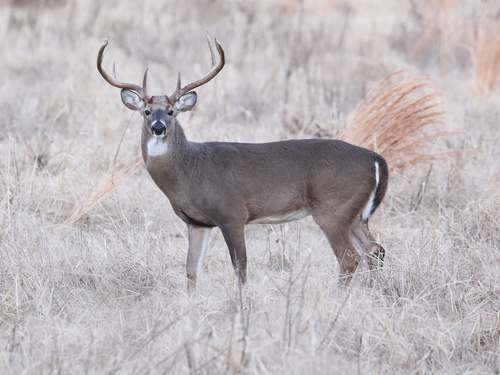
Pennsylvania, US
ここで見られるかも オジロジカ, カナダガン と オオアオサギ.
ガイドを見る →

District of Columbia, US
ここで見られるかも カモ, クロワカモメ と カナダガン.
ガイドを見る →
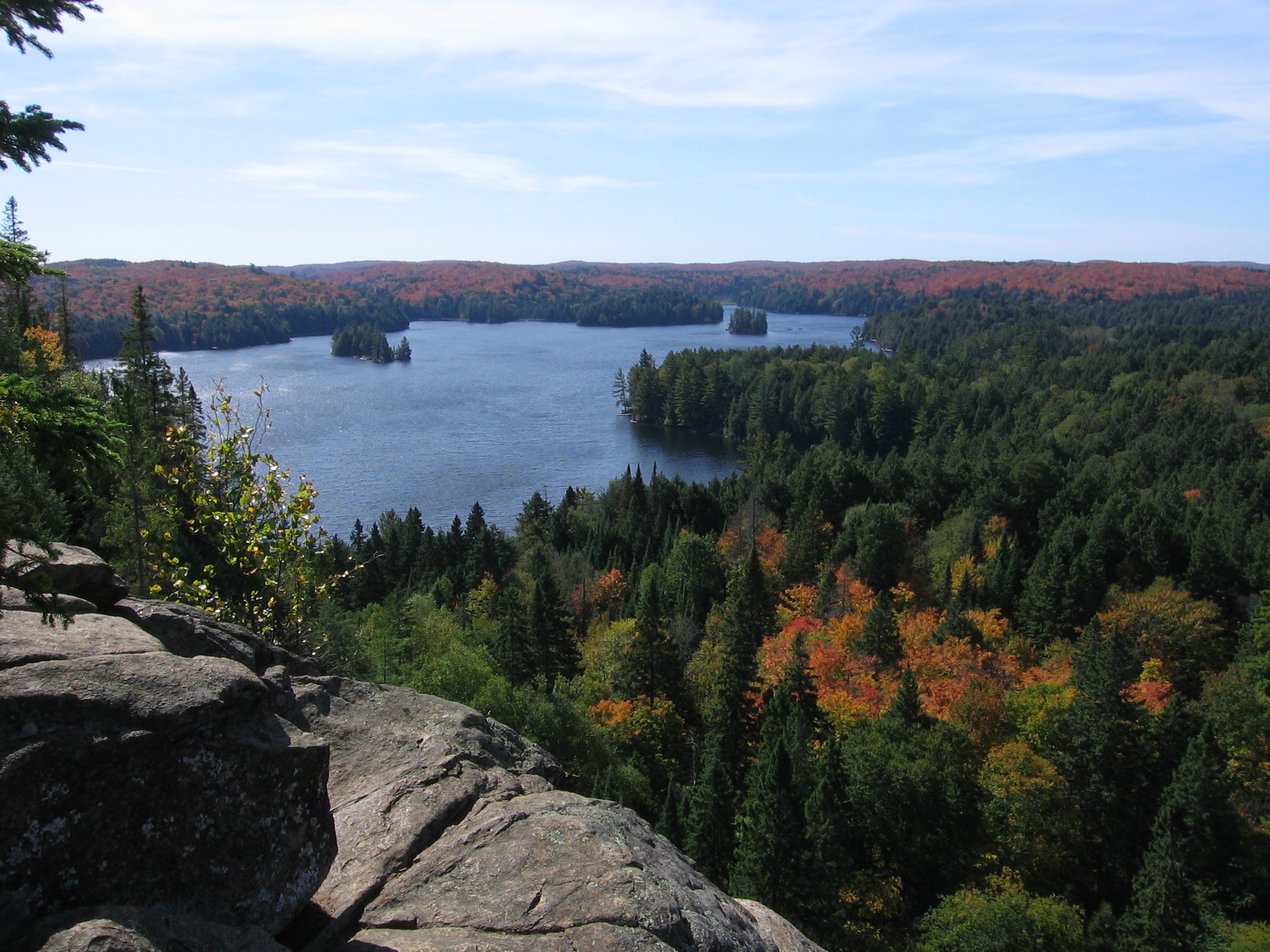
Ontario, CA
ここで見られるかも ヘラジカ, Brittlegills と Canadian Bunchberry.
ガイドを見る →
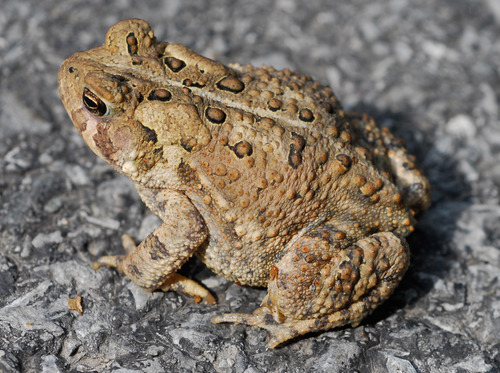
Virginia, US
ここで見られるかも アメリカヒキガエル, カロリナハコガメ と コマツグミ.
ガイドを見る →




_-_Flickr_-_2ndPeter.jpg&width=800)