






Pacific Forktail
Ischnura cervula
The Pacific Forktail is a small, colorful dragonfly that loves to flutter around ponds and streams. With its bright blue and green colors, it looks like a tiny jewel in the air!
生息地: Wetlands
The Pacific Forktail is a slender damselfly, with males sporting a vibrant sky-blue body marked with black patterns, particularly on their tail. Females are typically greenish-yellow or brown. They can be distinguished from dragonflies by their much thinner bodies and by holding their four wings neatly together over their back when at rest.
カテゴリ
昆虫レア度
Common
危険度
1/5 · 非常に低い
スナップ
最初にスナップしよう!
Males display a bright blue 'tail fork' used for identifying mates, making them easy to spot!
Pacific Forktail nymphs spend up to two years growing underwater before transforming into adults!
These tiny hunters have massive eyes that give them almost 360-degree vision to spot prey!
When mating, a male and female Pacific Forktail form a beautiful heart shape with their bodies!
Pacific Forktail nymphs can breathe underwater because of specialized gills on their tails, which helps them survive and hunt in aquatic environments.
Pacific Forktail can dart and hover with four independently controlled wings, helping them expertly catch tiny flying insects mid-air.
Pacific Forktail females have a special blade-like organ that helps them insert eggs safely into underwater plant stems.
These tiny hunters catch and eat other small insects in the air, keeping mosquito populations in check!
年齢による違い: Nymphs hunt small aquatic invertebrates, while adults catch flying insects.
Oncorhynchus mykiss
Trout eagerly consume damselfly nymphs and adults when hunting in water.
Culex pipiens
Adult Pacific Forktails are skilled hunters of flying mosquitoes near water.
Lithobates pipiens
Frogs frequently prey on damselflies found resting or flying near the water's edge.
単独行動をとる動物は、繁殖や子育ての時を除き、生涯のほとんどを1匹で生活します。
空中性の生き物は、生涯の大部分を空中で過ごし、狩りや渡り、巣作りなど様々な活動を飛びながら行います。
カラフルとは、生物や物体が明るくはっきりとした多様な色合いを見せることを指します。
この特性は、主に昆虫やその他の小型無脊椎動物を食べる生物を示します。

この生息地特性は、湿地(年間を通して、または季節的に水に浸かっている沼や湿原などの土地)で見られる種を示します。

この特性は、狩り、逃走、または移動において、並外れた素早さを見せる生物を示します。

昼行性の動物は主に日中に活動し、通常は夜間に休息や睡眠をとります。

花粉を運び、植物の受粉と繁殖を助ける生物のことを指します。
まだ別名はありません。
危険度
1/5 · 非常に低い
Be careful around water where dragonflies live, and always stay close to an adult.
30-45 mm
25-35 mm
365-730 日
15 km/h
These tiny hunters catch and eat other small insects in the air, keeping mosquito populations in check!
Wetlands
Pursuit
6
ズームインしてクラスターを分割し、このオブジェクトが撮影された場所を探索しましょう。
新しい観察が追加されると、ここに最近のスナップが表示されます。

Oregon, US
ここで見られるかも カナダガン, カモ と Greater White-Fronted Goose.
ガイドを見る →
British Columbia, CA
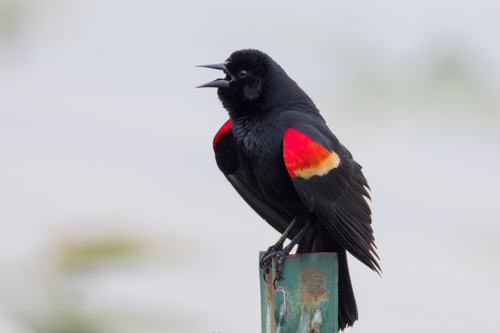
ここで見られるかも ハゴロモガラス, ミドリツバメ と オオアオサギ.
ガイドを見る →
British Columbia, CA
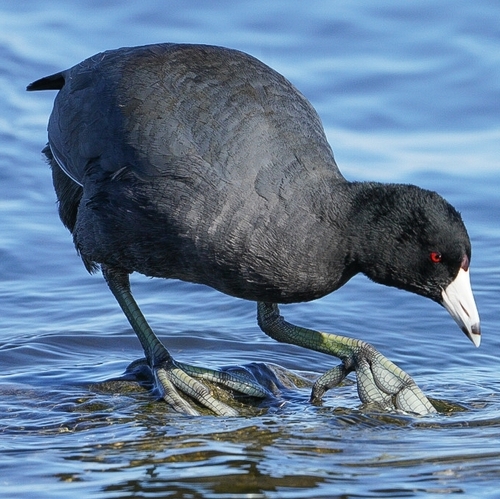
ここで見られるかも American Coot, カモ と カナダガン.
ガイドを見る →
.jpg)
Washington, US
ここで見られるかも カモ, オオアオサギ と Western Redcedar.
ガイドを見る →
British Columbia, CA
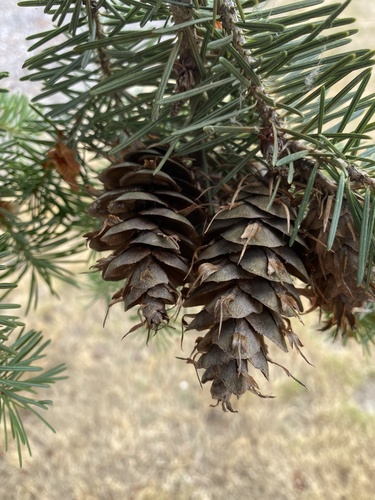
ここで見られるかも ダグラスファー, Pacific Madrone と サメハダイモリ.
ガイドを見る →

Washington, US
ここで見られるかも Western Yellow Pond-Lily, Rose Spirea と Fireweed.
ガイドを見る →




.jpg&width=800)




_(7457420058).jpg&width=800)


