
.jpg&width=800)





Prunus Miner Bee
Andrena prunorum
The Prunus Miner Bee is a small, friendly bee that loves to visit flowers. They are great pollinators and help plants grow by spreading pollen from one flower to another.
生息地: Urban areas, Gardens
The Prunus Miner Bee is a medium-sized bee, covered in dense, light brown to reddish-brown fuzz on its thorax and a black abdomen. It has prominent yellow-orange hairs on its hind legs for carrying pollen, and a slightly iridescent sheen on its wings distinguishing it from common house flies.
カテゴリ
昆虫レア度
Common
危険度
1/5 · 非常に低い
スナップ
最初にスナップしよう!
Did you know Prunus Miner Bees don't make honey like honeybees do?
Look closely for their sparkly, golden fuzz on their hind legs!
They are called "miner bees" because they dig their own tunnels!
Wow, these amazing bees build tiny apartment-like homes underground for their babies!
Prunus Miner Bee can dig intricate underground tunnels because of its strong front legs that help them create safe nurseries for their young.
Prunus Miner Bee has special fuzzy hairs called scopa on its hind legs that help them collect and transport large amounts of pollen.
Prunus Miner Bee can efficiently pollinate early-blooming fruit trees because of its activity during the precise flowering window.
Prunus Miner Bee has a very calm temperament that helps them safely visit flowers without being aggressive, rarely stinging.
This bee sips nectar for energy and collects pollen to feed its growing babies underground.
年齢による違い: Larvae consume pollen provisions left by the mother, while adult bees feed on nectar and pollen.
Prunus domestica
Vital for fruit production of this tree.
Prunus avium
Helps fertilize flowers of wild cherry.
Nomada succincta
Lays eggs in the nests of Prunus Miner Bees.
%2C_Parc_de_Woluw%C3%A9%2C_Brussels_(13042792905).jpg&width=800)
Parus major
Birds may prey on adult bees in flight.
柔らかい体毛や毛皮が密集して体を覆っている動物の特徴を表します。
社会性動物は組織的な群れで生活し、採餌、防衛、子育てなど、生存に有利になるよう協力し合います。
多種多様な花粉媒介者(ポリネーター)にとって特に魅力的で有益な植物を表します。
食事のすべて、または大部分が植物で構成されている生物が持つ特徴です。

その存在と役割が環境に対して極めて大きな影響を与える種を指します。

昼行性の動物は主に日中に活動し、通常は夜間に休息や睡眠をとります。

この生息地の特性は、人工の建造物や緑地を利用し、都市や郊外の環境で人間と共存できる種であることを示しています。

花粉を運び、植物の受粉と繁殖を助ける生物のことを指します。
まだ別名はありません。
危険度
1/5 · 非常に低い
These bees are friendly, but it's best to watch them from a distance.
12-18 mm
8-12 mm
20-40 日
20 km/h
This bee sips nectar for energy and collects pollen to feed its growing babies underground.
Urban areas, Gardens
Foraging
6
ズームインしてクラスターを分割し、このオブジェクトが撮影された場所を探索しましょう。
新しい観察が追加されると、ここに最近のスナップが表示されます。
South Dakota, US
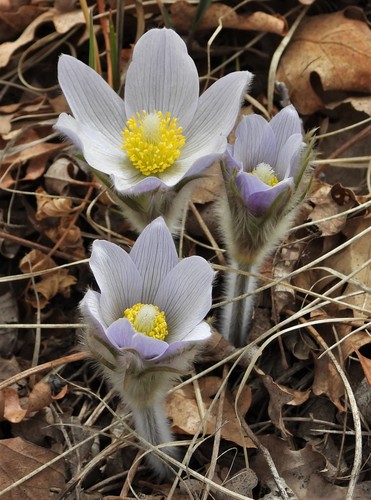
ここで見られるかも Prairie Pasqueflower, Common Buckthorn と Tatarian Honeysuckle.
ガイドを見る →

Washington, US
ここで見られるかも California Bumble Bee, Yellow-Faced Bumble Bee と Autumn Olive.
ガイドを見る →

British Columbia, CA
ここで見られるかも Vine Maple, Orange Honeysuckle と Licorice Fern.
ガイドを見る →













