






Red-eyed Vireo
Vireo olivaceus
The Red-eyed Vireo is a small bird known for its bright red eyes and cheerful singing. It loves to hop around in trees and can often be found in forests and gardens.
生息地: Forests
The Red-eyed Vireo has an olive-green back, white belly, and a distinctive gray cap. Its most striking feature is a prominent red eye, framed by a white stripe above and a dark line through the eye. This small bird's neat plumage makes it look quite tidy.
カテゴリ
鳥類レア度
Common
危険度
1/5 · 非常に低い
スナップ
最初にスナップしよう!
Dedicated parents make over 40 trips an hour to feed their hungry nestlings!
It's a vocal champion, singing over 20,000 songs daily to defend its territory!
Its striking red eyes are a unique feature, giving this bird its common name.
They journey thousands of miles to South America each fall, an epic migration feat!
Red-eyed Vireo has incredible stamina that helps them fly thousands of kilometers between continents each year.
Red-eyed Vireo can sing almost continuously because its complex song helps them defend territory and attract mates.
Red-eyed Vireo can expertly forage for insects among leaves because its keen eyesight helps them spot tiny prey.
Tiny insects, caterpillars, and tasty berries make up its main meals.
年齢による違い: Young birds eat mostly insects, while adults add more berries, especially before migration.
Accipiter cooperii
Hunts vireos and other small birds in woodlands.
Cyanocitta cristata
Known to raid nests, eating eggs and nestlings.
Malacosoma americanum
Consumes many forest insects, helping to control pest populations.
.jpg&width=800)
Molothrus ater
Lays its eggs in vireo nests, tricking them into raising cowbird chicks.
羽毛に覆われている動物(主に鳥類)を指します。
社会性動物は組織的な群れで生活し、採餌、防衛、子育てなど、生存に有利になるよう協力し合います。
さえずったり歌ったりする動物は、つがいの相手を惹きつけたり、縄張りを守ったり、同種間でコミュニケーションをとるために、複雑な声を出します。
この特性は、主に昆虫やその他の小型無脊椎動物を食べる生物を示します。

森林の生息地は木々が密集して生い茂る陸上環境であり、多種多様な動植物の命を支えています。

昼行性の動物は主に日中に活動し、通常は夜間に休息や睡眠をとります。

移動性の動物は、気候の変化や食べ物の有無に合わせて、季節ごとに地域から地域へと移動します。
まだ別名はありません。
危険度
1/5 · 非常に低い
Always watch birds from a distance and don't try to touch them.
12-14 cm
23-25 cm
0.012-0.026 kg
5-8 年
35 km/h
Tiny insects, caterpillars, and tasty berries make up its main meals.
Forests
Foraging
ズームインしてクラスターを分割し、このオブジェクトが撮影された場所を探索しましょう。
新しい観察が追加されると、ここに最近のスナップが表示されます。
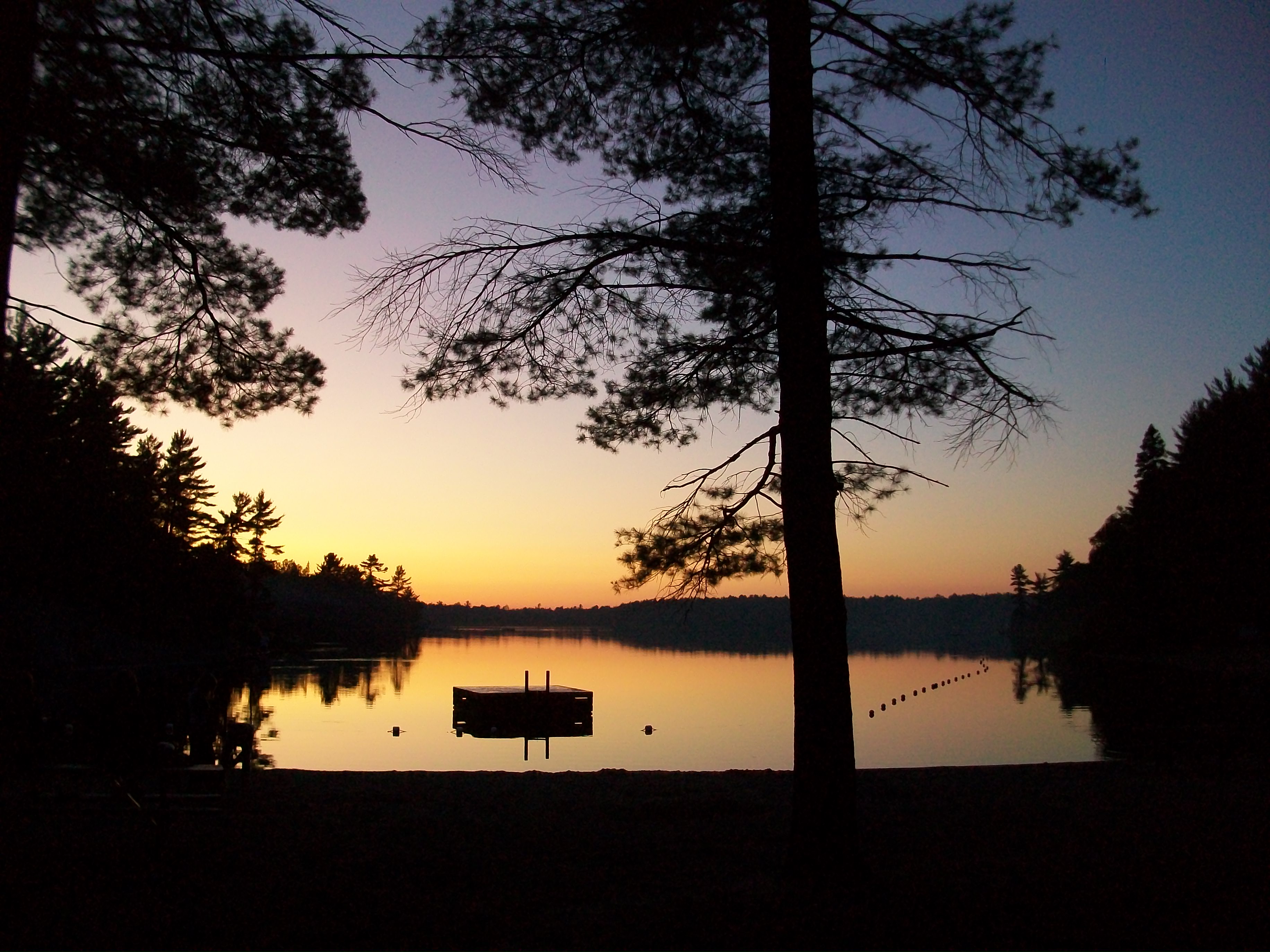
Ontario, CA
ここで見られるかも ニシキガメ, Common Watersnake と Bristly Sarsaparilla.
ガイドを見る →

Quebec, CA
ここで見られるかも トウブハイイロリス, カモ と グラウンドホッグ.
ガイドを見る →
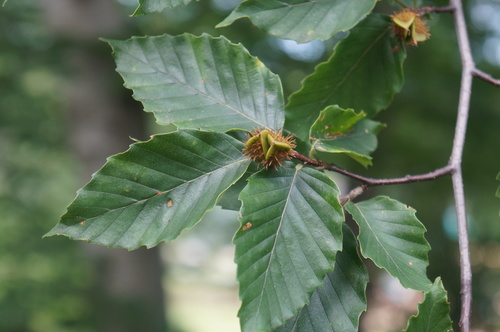
Virginia, US
ここで見られるかも アメリカブナ, Strawberry Bush と モミジバフウ.
ガイドを見る →
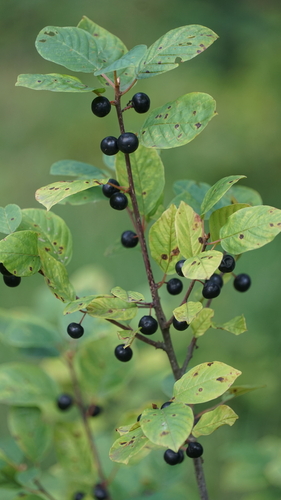
Michigan, US
ここで見られるかも Alder Buckthorn, Bulblet Fern と Western Poison Ivy.
ガイドを見る →




_(5005682834).jpg&width=800)









