Red-shouldered Bug
Jadera haematoloma
The Red-shouldered Bug is a colorful insect with bright red shoulders and a black body. They love to hang out on plants and are often seen in gardens, making them fun to spot!
生息地: Urban areas
The Red-shouldered Bug has a distinctive black body, contrasting sharply with bright reddish-orange markings on its 'shoulders' (pronotum) and head. Its transparent wings reveal delicate black veins, and its legs are typically red, making it easy to identify from other dark-bodied insects.
カテゴリ
昆虫レア度
Common
危険度
1/5 · 非常に低い
スナップ
最初にスナップしよう!
Baby red-shouldered bugs are called nymphs and are almost entirely bright red!
If threatened, some can release a stinky scent to make predators think twice!
These bugs often gather in piles of hundreds, especially during colder weather!
They're sometimes called 'soapberry bugs' because they love soapberry tree seeds!
Red-shouldered Bug can access hidden nutrients in seeds because of its needle-like mouthparts that helps them puncture tough exteriors.
Red-shouldered Bug has vibrant red and black colors that helps them warn predators they might taste bad or are toxic.
Red-shouldered Bug can form large groups with other bugs because of a natural instinct that helps them deter predators and find mates.
Red-shouldered Bug can quickly escape danger using its transparent wings that helps them fly between food sources and avoid threats.
They mostly drink the juices from fallen seeds.
Sapindus saponaria
Its primary food source of mature seeds.
Acer negundo
Often aggregates on these trees for safety and overwintering.
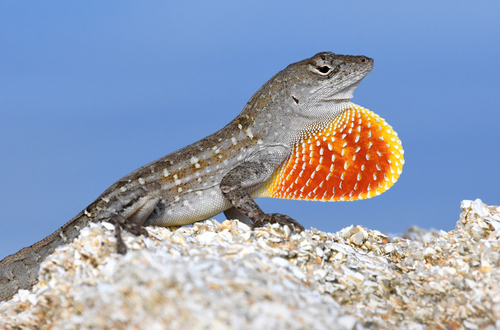
Anolis carolinensis
A common lizard predator in its range.

Parus carolinensis
A small bird that will opportunistically feed on insects.
社会性動物は組織的な群れで生活し、採餌、防衛、子育てなど、生存に有利になるよう協力し合います。
カラフルとは、生物や物体が明るくはっきりとした多様な色合いを見せることを指します。
多種多様な花粉媒介者(ポリネーター)にとって特に魅力的で有益な植物を表します。
食事のすべて、または大部分が植物で構成されている生物が持つ特徴です。

昼行性の動物は主に日中に活動し、通常は夜間に休息や睡眠をとります。

この生息地の特性は、人工の建造物や緑地を利用し、都市や郊外の環境で人間と共存できる種であることを示しています。

花粉を運び、植物の受粉と繁殖を助ける生物のことを指します。
まだ別名はありません。
危険度
1/5 · 非常に低い
These bugs are safe to observe, but it's best not to touch them.
10-14 mm
60-180 日
They mostly drink the juices from fallen seeds.
Urban areas
Foraging
6
ズームインしてクラスターを分割し、このオブジェクトが撮影された場所を探索しましょう。
新しい観察が追加されると、ここに最近のスナップが表示されます。