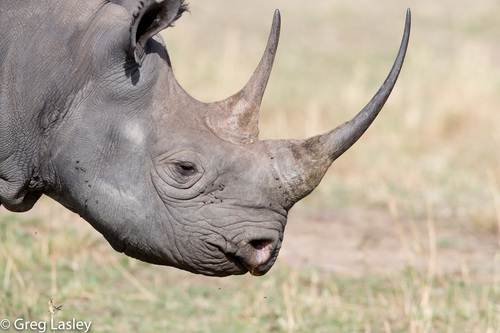


Rhinoceroses
rhinocerotidae
Rhinoceroses, commonly known as rhinos, are among the largest remaining megafauna on Earth. Characterized by their massive bodies, prehistoric appearance, and iconic facial horns, these majestic herbivores have roamed the grasslands and forests of Africa and Asia for millions of years. Despite their formidable size and armor-like skin, they are surprisingly agile and capable of explosive bursts of speed when threatened. Rhinos play an essential role as ecosystem engineers, shaping vegetation structures and creating pathways utilized by numerous other species.
生息地: Typically found in tropical and subtropical grasslands, savannas, shrublands, and dense swampy forests of Africa and southern Asia.
Rhinos are easily recognized by their massive, barrel-shaped bodies, short stout legs, and thick gray-to-brown skin that often hangs in heavy folds resembling protective plates. Their most defining feature is the presence of one or two prominent horns positioned on the snout, which are composed entirely of keratin. They possess small, tubular ears that can rotate independently, and small, wide-set eyes that afford them poor eyesight but are compensated for by a keen sense of smell and hearing.
カテゴリ
哺乳類レア度
Common
危険度
1/5 · 非常に低い
スナップ
最初にスナップしよう!
A group of rhinoceroses is socially referred to as a 'crash'.
A rhino's horn is not made of bone, but of keratin—the same protein that makes up human hair and fingernails.
Despite their heavy, armor-plated bodies, rhinos can sprint at speeds of up to 55 km/h (34 mph) and pivot remarkably fast.
Their powerful horns, grown continuously from keratin, are utilized for defending territory, protecting young calves, and foraging for roots and water.
Rhinos have highly sensitive, rotating ears that can detect subtle sounds across vast, open landscapes to compensate for their poor eyesight.
Wallowing in mud baths provides a protective layer on their skin that acts as a natural sunscreen, temperature regulator, and insect repellent.
Rhinos are strict herbivores that feed on a variety of vegetation, either grazing on low grasses or browsing on high twigs, leaves, and shrubs depending on the species.
年齢による違い: Calves nurse on mother's milk for up to 18 months before transitioning fully to a vegetation-based diet.
Buphagus erythrorynchus
Red-billed oxpeckers climb on the rhino's skin to eat ticks and parasites, while alerting the rhino to approaching danger with loud calls.
Panthera leo
Lions occasionally attempt to hunt and prey upon vulnerable young rhino calves.
Vachellia tortilis
Black rhinos actively browse on the leaves and woody twigs of this prominent savanna tree.
このオブジェクトにはまだ特徴バッジが割り当てられていません。
テーマが追加されると、このオブジェクトのコレクションがここに表示されます。
危険度
1/5 · 非常に低い
まだ特別な安全上の注意はありません。
Rhinocerosesを識別する最も簡単な方法は、Snappit自然識別アプリを使用することです。
250-420 cm
800-3600 kg
35-50 年
55 km/h
Rhinos are strict herbivores that feed on a variety of vegetation, either grazing on low grasses or browsing on high twigs, leaves, and shrubs depending on the species.
Typically found in tropical and subtropical grasslands, savannas, shrublands, and dense swampy forests of Africa and southern Asia.
Grazing
ズームインしてクラスターを分割し、このオブジェクトが撮影された場所を探索しましょう。
新しい観察が追加されると、ここに最近のスナップが表示されます。









.jpg&width=800)