
.jpg&width=800)





Ruddy Turnstone
Arenaria interpres
The Ruddy Turnstone is a small bird that loves to explore beaches and rocky shores. It has a beautiful mix of brown, white, and black feathers and is known for turning over stones to find tasty snacks!
生息地: Coastal areas
The Ruddy Turnstone is a sturdy shorebird with short orange legs and a distinctive wedge-shaped bill. It has a striking reddish-brown and black mottled back, contrasting with a white belly and chest, marked by a black band. Its bold, harlequin-like facial pattern makes it easily recognizable among other coastal birds.
カテゴリ
鳥類レア度
Common
危険度
1/5 · 非常に低い
スナップ
最初にスナップしよう!
Ruddy Turnstones often nest in a shallow scrape on the ground in the Arctic tundra.
Some Ruddy Turnstones fly from the Arctic to New Zealand – an incredible journey!
Their scientific name, *Arenaria*, means 'sand-dweller', perfect for their beach home.
They are one of the most widespread shorebirds, found on almost every continent.
Ruddy Turnstones can use their strong, short bills to flip over stones and shells because this helps them find hidden food underneath.
Ruddy Turnstones have an incredible sense of direction that helps them migrate thousands of kilometers from the Arctic to warm coasts.
Ruddy Turnstones have mottled reddish-brown and black plumage that helps them blend perfectly with rocky shorelines and tundra.
These clever birds love to feast on a variety of small critters found hiding in sand and under rocks!
Vulpes lagopus
Arctic Fox preys on Ruddy Turnstone eggs and chicks in nesting areas.
Stercorarius parasiticus
Jaegers are aerial predators that hunt adult Ruddy Turnstones and their young.
Carcinus maenas
Ruddy Turnstones forage for and consume small Green Crabs in coastal areas.
Arenicola marina
Turnstones pull Lugworms from the sand and mudflats as a food source.
羽毛に覆われている動物(主に鳥類)を指します。
社会性動物は組織的な群れで生活し、採餌、防衛、子育てなど、生存に有利になるよう協力し合います。
この特性は、主に昆虫やその他の小型無脊椎動物を食べる生物を示します。
沿岸の生息地は、陸と海の境界に位置し、潮の満ち引き、波、海水の影響を受けるダイナミックな環境です。

この特性は、狩り、逃走、または移動において、並外れた素早さを見せる生物を示します。

この特徴は、食事のすべて、または大部分が動物の肉である生物を示します。

移動性の動物は、気候の変化や食べ物の有無に合わせて、季節ごとに地域から地域へと移動します。
まだ別名はありません。
危険度
1/5 · 非常に低い
Always watch birds from a distance and don't try to touch them.
21-26 cm
50-57 cm
0.085-0.17 kg
10-19 年
70 km/h
These clever birds love to feast on a variety of small critters found hiding in sand and under rocks!
Coastal areas
Foraging
ズームインしてクラスターを分割し、このオブジェクトが撮影された場所を探索しましょう。
新しい観察が追加されると、ここに最近のスナップが表示されます。
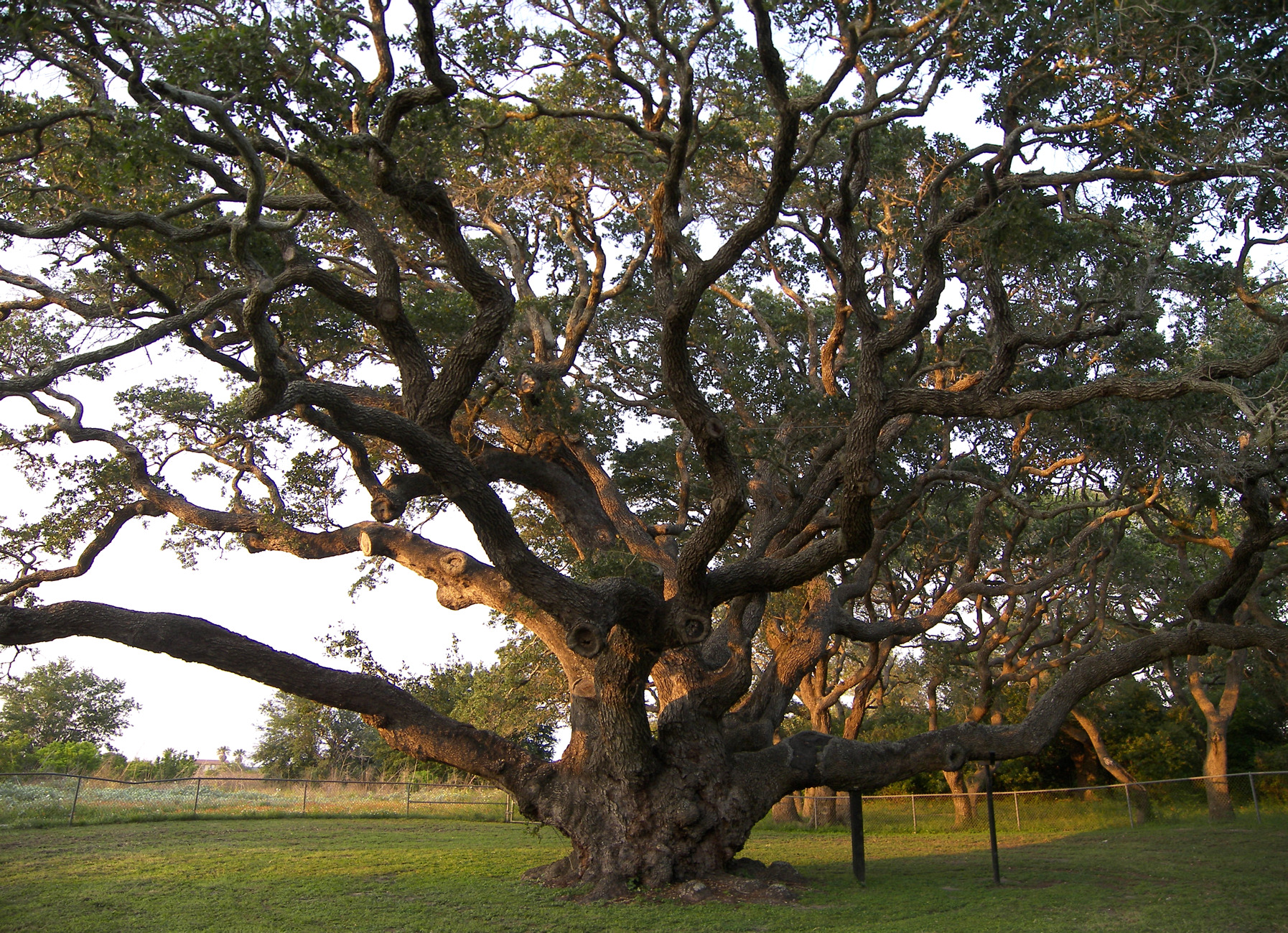
Texas, US
ここで見られるかも カッショクペリカン, オジロジカ と Laughing Gull.
ガイドを見る →

Florida, US
ここで見られるかも False Rosemary, Florida Rosemary と Sanderling.
ガイドを見る →

Florida, US
ここで見られるかも Willet, Lightning Whelk と Ruddy Turnstone.
ガイドを見る →
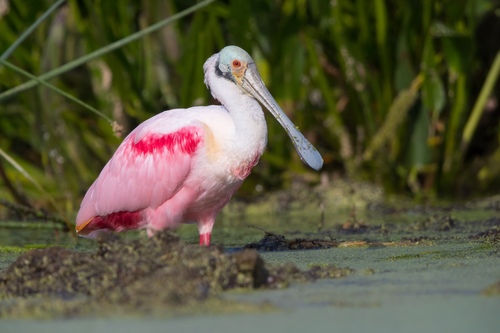
Florida, US
ここで見られるかも Roseate Spoonbill, Tricolored Heron と Great Egret.
ガイドを見る →




.jpg&width=800)









