






Ruffed Grouse
Bonasa umbellus
The Ruffed Grouse is a fluffy bird that loves to hide in the woods. It can blend in with the leaves and is known for its special drumming sound during springtime to attract friends.
生息地: Forests
The Ruffed Grouse has mottled brown, gray, and black feathers, allowing it to blend perfectly with forest environments. It features a distinct fan-shaped tail with a broad, dark band and a crest. Males display iridescent black neck feathers, called a ruff, which they can flair out.
カテゴリ
鳥類レア度
Common
危険度
1/5 · 非常に低い
スナップ
最初にスナップしよう!
A male grouse makes a drumming sound without hitting anything!
Baby grouse can fly a little just one week after hatching!
Sometimes, they eat so many aspen buds they actually smell like them!
They grow special comb-like fringes on their toes for better grip on snow!
Ruffed Grouse can burst from cover with explosive speed because of powerful wing muscles, helping them escape predators instantly.
Ruffed Grouse can burrow into soft snow because of their instinctual behavior, helping them create a warm, insulating winter den.
Ruffed Grouse has a unique "drumming" sound because males rapidly beat their wings, helping them attract mates and define territory.
Ruffed Grouse has special comb-like fringes on their toes that help them walk on snow without sinking, like natural snowshoes.
An omnivore eating buds, twigs, leaves, berries, and insects from the forest floor.
年齢による違い: Chicks eat mostly insects for protein, while adults switch to more plant material like buds and twigs.
Bubo virginianus
A silent predator, the owl hunts grouse, especially at night.
Lynx rufus
This wild cat stalks grouse in dense forest undergrowth.
Populus tremuloides
Grouse depend heavily on aspen buds for winter survival.
羽毛に覆われている動物(主に鳥類)を指します。
社会性動物は組織的な群れで生活し、採餌、防衛、子育てなど、生存に有利になるよう協力し合います。
さえずったり歌ったりする動物は、つがいの相手を惹きつけたり、縄張りを守ったり、同種間でコミュニケーションをとるために、複雑な声を出します。
この特性は、植物と動物の両方を食べる生物を示します。

周囲の環境に溶け込むような色や模様を持つ生物の特徴を指します。

森林の生息地は木々が密集して生い茂る陸上環境であり、多種多様な動植物の命を支えています。

この特性は、狩り、逃走、または移動において、並外れた素早さを見せる生物を示します。

昼行性の動物は主に日中に活動し、通常は夜間に休息や睡眠をとります。
まだ別名はありません。
危険度
1/5 · 非常に低い
Enjoy watching birds from a distance and don't try to catch them.
40-48 cm
50-64 cm
0.5-0.8 kg
1-10 年
72 km/h
An omnivore eating buds, twigs, leaves, berries, and insects from the forest floor.
Forests
Foraging
ズームインしてクラスターを分割し、このオブジェクトが撮影された場所を探索しましょう。
新しい観察が追加されると、ここに最近のスナップが表示されます。
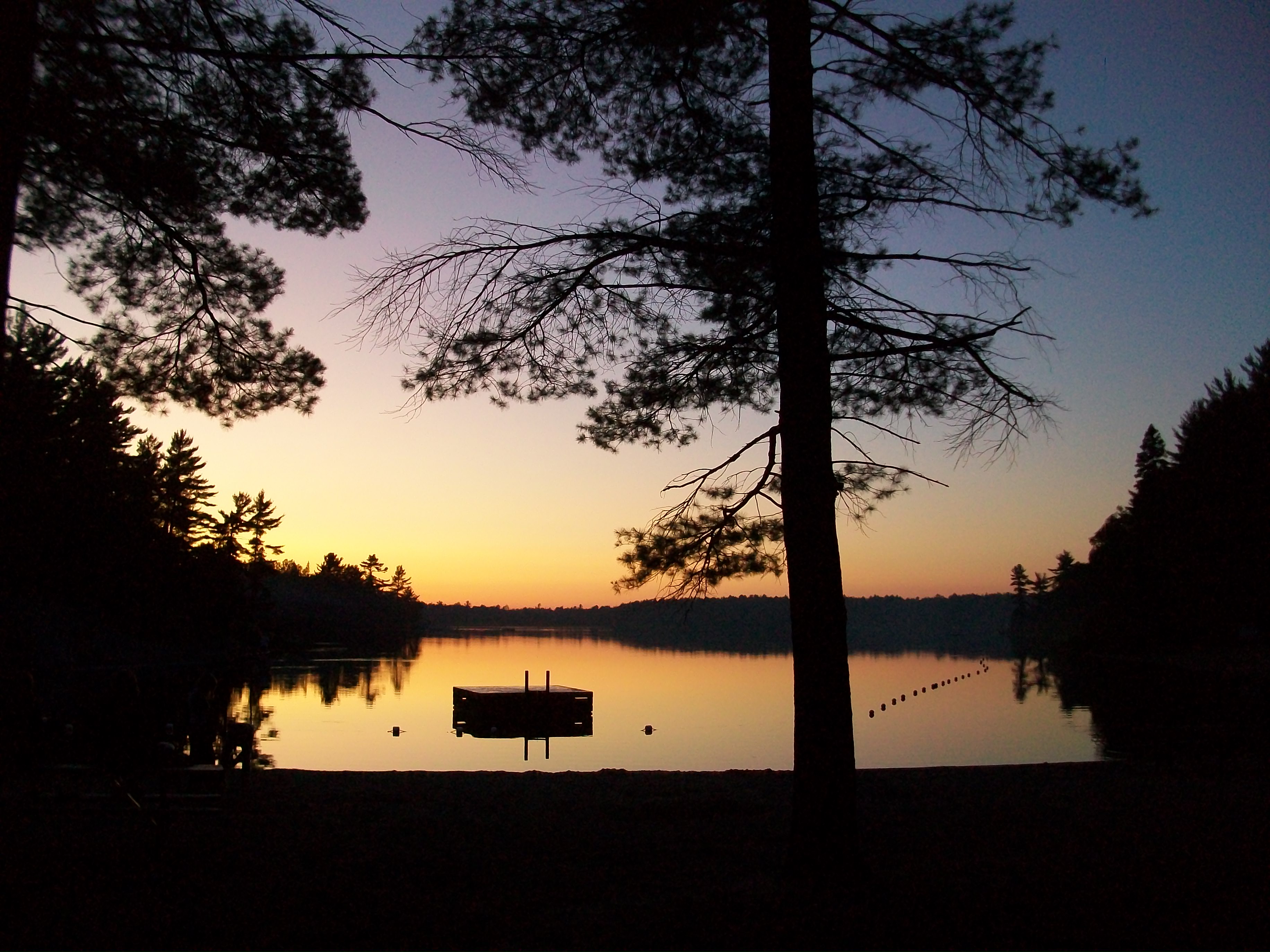
Ontario, CA
ここで見られるかも ニシキガメ, Common Watersnake と Bristly Sarsaparilla.
ガイドを見る →
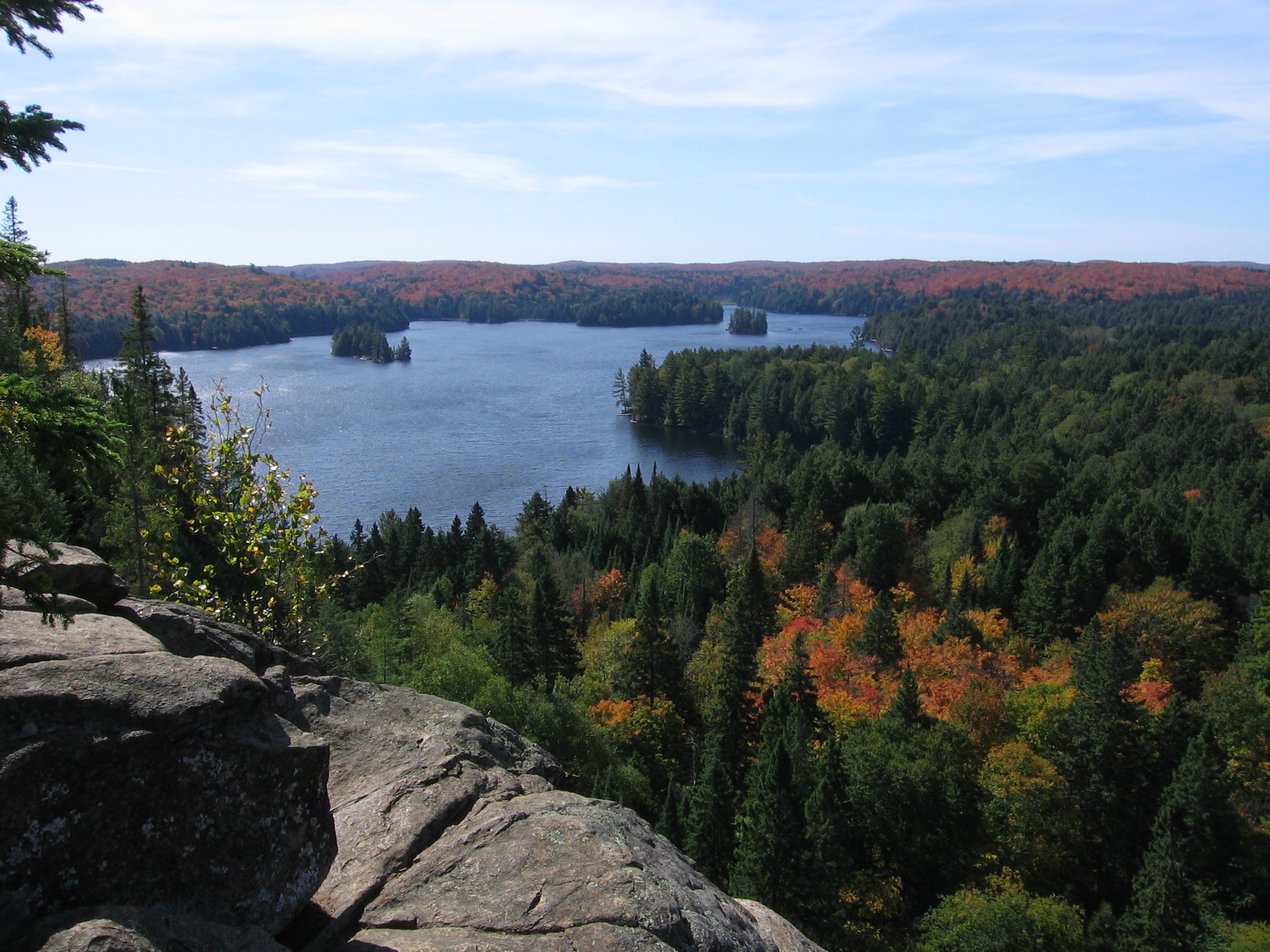
Ontario, CA
ここで見られるかも ヘラジカ, Brittlegills と Canadian Bunchberry.
ガイドを見る →
.jpg)
Manitoba, CA
ここで見られるかも Canadian Bunchberry, Jack Pine と カミカンバ.
ガイドを見る →

British Columbia, CA
ここで見られるかも Shinyleaf Meadowsweet, Northern Checkerspot と Fireweed.
ガイドを見る →
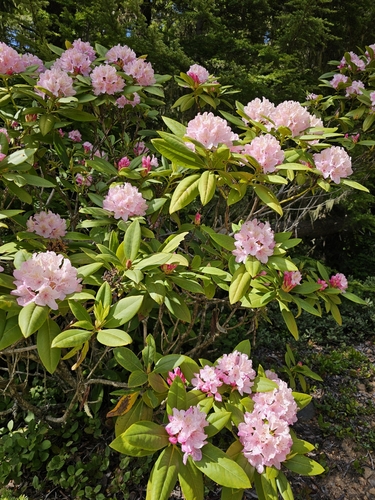
British Columbia, CA
ここで見られるかも Pacific Rhododendron, Vanilla Leaf と Pacific Trillium.
ガイドを見る →

British Columbia, CA
ここで見られるかも Common Golden-Mantled Ground Squirrel と Giant Red Paintbrush.
ガイドを見る →














