



Sierra Nevada Peavine
Lathyrus nevadensis
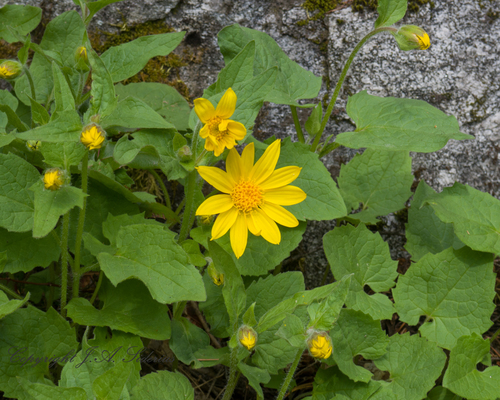
The Sierra Nevada Peavine is a lovely flowering plant that grows in the mountains. It has pretty purple flowers that attract butterflies and bees, making it a special part of nature.
生息地: Mountain regions
The Sierra Nevada Peavine is a climbing vine with delicate tendrils that help it grip. It has compound leaves with two to four leaflets and striking pea-like flowers, typically vibrant purplish-pink or magenta, sometimes lighter, clustered at the tips of stems.
カテゴリ
植物レア度
Common
危険度
1/5 · 非常に低い
スナップ
最初にスナップしよう!
Its scientific name, Lathyrus, comes from a Greek word meaning "pea" or "vetch"!
Like beans, this plant can improve soil by adding essential nutrients for other plants!
This wild peavine's seeds look like peas, but are not safe to eat!
Tiny pollen grains from its flowers often hitch rides on the backs of busy bumblebees!
Sierra Nevada Peavine can extend its slender tendrils to grip onto other plants or structures, helping it climb high for sunlight.
This plant has special root nodules that host bacteria, allowing it to "fix" nitrogen from the air and enrich the soil around it.
The Sierra Nevada Peavine develops pea-like pods that burst open when dry, flinging seeds far away to find new places to grow.
Apis mellifera
Gathering nectar and pollen for its hive.
Bombus melanopygus
A native bee that visits its vibrant flowers.
Odocoileus hemionus
Deer browse on its leaves and tender stems.
Rhizobium leguminosarum
Lives in root nodules, converting nitrogen for the plant.
大気中の窒素を植物が利用可能な化合物に変換する能力を持つ生物を指します。
開花植物とは、繁殖サイクルの一部として花を咲かせるすべての植物のことです。
春咲きの植物は春の季節に花を咲かせ、冬の終わりと新たな成長の始まりを告げます。
薬用植物は、病気の治療や健康維持などの治療目的に利用できる成分を含んでいます。

カラフルとは、生物や物体が明るくはっきりとした多様な色合いを見せることを指します。

多種多様な花粉媒介者(ポリネーター)にとって特に魅力的で有益な植物を表します。

草原の生息地は、草や草本植物が優占する陸上バイオームであり、多様な草食動物を支えています。

この生息環境は、高い標高、急な斜面、多様な気候帯を特徴とする山岳地帯で見られる種を示します。

絶滅危惧とは、その種が近い将来、野生において絶滅する危険性が非常に高いことを示しています。
まだ別名はありません。
危険度
1/5 · 非常に低い
Always look but don't touch plants unless an adult says it's okay.
30-90 cm
45-120 cm
1-2.5 cm
春, 夏
いいえ
軽度
多年生
昆虫
ズームインしてクラスターを分割し、このオブジェクトが撮影された場所を探索しましょう。
新しい観察が追加されると、ここに最近のスナップが表示されます。