
.jpg&width=800)





Spotted Lanternfly
Lycorma delicatula
The Spotted Lanternfly is a colorful insect with beautiful spots. It can be found on trees and plants, and it loves to suck the sap from them, which can make the plants unhealthy.
生息地: Urban areas, forests
The Spotted Lanternfly has unique grey forewings covered in small black spots, contrasting sharply with its vibrant red hindwings that feature black and white stripes. Its distinct pattern and bright colours make it easily recognizable from other planthoppers.
カテゴリ
昆虫レア度
Common
危険度
1/5 · 非常に低い
スナップ
最初にスナップしよう!
Wow! Baby lanternflies are black with white spots and turn bright red later!
Wow! Spotted Lanternflies can ride on cars and trains to travel to new places!
Wow! Their eggs look like a smear of mud or caulk on trees and rocks!
Wow! They squirt a sweet, sticky liquid called honeydew that coats plants!
Spotted Lanternfly can reveal bright red hindwings to startled predators because of its unique wing pattern that helps them deter attacks.
Spotted Lanternfly has specialized glands that produce honeydew because of its sap-based diet that helps them excrete excess sugar.
Spotted Lanternfly can leap surprisingly far because of its powerful legs that help them quickly escape danger or find new feeding spots.
Spotted Lanternfly has forewings that blend with tree bark because of its mottled grey colouration that helps them hide from predators.
These insects sip sugary sap from many plants, like trees and grapevines, using a straw-like mouth.
年齢による違い: Nymphs feed on a wider variety of plants, moving to woody hosts as they mature.
Ailanthus altissima
Its primary host plant and preferred food source.
Vitis vinifera
Causes significant damage to vineyards and grape crops.
Anastatus orientalis
A tiny wasp that lays its eggs inside lanternfly eggs.
Fumago vagans
This fungus grows on the sticky honeydew excreted by lanternflies.
異なる色の斑点や模様がある。
単独行動をとる動物は、繁殖や子育ての時を除き、生涯のほとんどを1匹で生活します。
カラフルとは、生物や物体が明るくはっきりとした多様な色合いを見せることを指します。
食事のすべて、または大部分が植物で構成されている生物が持つ特徴です。

森林の生息地は木々が密集して生い茂る陸上環境であり、多種多様な動植物の命を支えています。

この特性は、狩り、逃走、または移動において、並外れた素早さを見せる生物を示します。

昼行性の動物は主に日中に活動し、通常は夜間に休息や睡眠をとります。

吸血性の生物は、他の動物の血液や体液を摂取して栄養を得ます。

この生息地の特性は、人工の建造物や緑地を利用し、都市や郊外の環境で人間と共存できる種であることを示しています。

侵略的外来種とは、環境、経済、または人間の健康に害を及ぼす外来生物のことです。
まだ別名はありません。
危険度
1/5 · 非常に低い
Don't touch or pick up insects without asking an adult first.
40-50 mm
20-30 mm
150-180 日
These insects sip sugary sap from many plants, like trees and grapevines, using a straw-like mouth.
Urban areas, forests
Foraging
6
ズームインしてクラスターを分割し、このオブジェクトが撮影された場所を探索しましょう。
新しい観察が追加されると、ここに最近のスナップが表示されます。
.jpg)
Maryland, US
ここで見られるかも オジロジカ, Japanese Knotweed と ナミテントウ.
ガイドを見る →
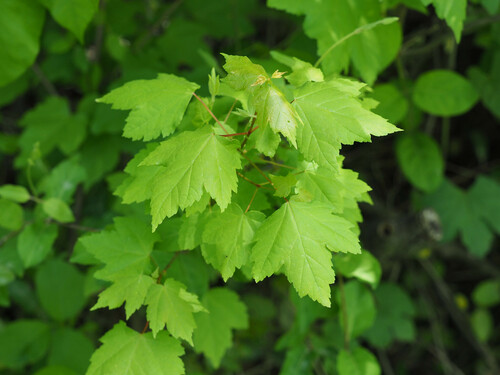
Virginia, US
ここで見られるかも ベニカエデ, Spotted Lanternfly と ショウジョウコウカンチョウ.
ガイドを見る →

Virginia, US
ここで見られるかも オジロジカ, イエスズメ と トウブハイイロリス.
ガイドを見る →

New York, US
ここで見られるかも Common Dandelion, Red Deadnettle と Broad-Leaved Dock.
ガイドを見る →

Ohio, US
ここで見られるかも コマツグミ, オジロジカ と ハヤブサ.
ガイドを見る →
New Jersey, US
ここで見られるかも オジロジカ, カナダガン と ハゴロモガラス.
ガイドを見る →













