






Squirrel Treefrog
Hyla squirella
The Squirrel Treefrog is a small, green frog that loves to climb trees and bushes. They are known for their cheerful calls that sound like a squirrel's chatter, especially during warm nights.
生息地: Wetlands
The Squirrel Treefrog is typically green, brown, or gray, able to change color rapidly to match its surroundings. It often has a distinct white or yellowish stripe running along its upper lip and sides, sometimes with scattered dark spots. Its smooth skin and large, adhesive toe pads allow it to cling.
カテゴリ
両生類レア度
Common
危険度
1/5 · 非常に低い
スナップ
最初にスナップしよう!
During cold weather, they can go dormant for months, buried in soil or under logs.
Their bulging eyes give them excellent all-around vision to spot tiny insects in the dark!
These tiny frogs can inflate their throat sac like a balloon to make their super-loud calls.
They're named "squirrel" treefrogs because their chattering call sounds a bit like a squirrel!
Squirrel Treefrog can quickly change its skin color because of specialized cells, helping them hide perfectly from predators and prey.
Squirrel Treefrog has large, sticky toe pads that help them climb vertical surfaces, even glass, to reach high leaves.
Squirrel Treefrog often calls more loudly and frequently just before rainstorms, helping them find mates in good conditions.
This little frog loves to snap up tiny insects and other small invertebrates with its quick, sticky tongue!
年齢による違い: Tadpoles primarily feed on algae and detritus in the water, while adults are carnivores eating insects.
Thamnophis sirtalis
hunts them in vegetation and near water.

Ardea alba
preys on frogs encountered near wetland edges.
Culex pipiens
catches adult mosquitoes in flight or on surfaces.
Formica fusca
consumes ants found foraging on plants and ground.
社会性動物は組織的な群れで生活し、採餌、防衛、子育てなど、生存に有利になるよう協力し合います。
さえずったり歌ったりする動物は、つがいの相手を惹きつけたり、縄張りを守ったり、同種間でコミュニケーションをとるために、複雑な声を出します。
周囲の環境に溶け込むような色や模様を持つ生物の特徴を指します。
カラフルとは、生物や物体が明るくはっきりとした多様な色合いを見せることを指します。

樹上性の動物は主に木の上で生活し、木を住処や餌場、天敵から身を守る場所として利用します。

この特性は、主に昆虫やその他の小型無脊椎動物を食べる生物を示します。

森林の生息地は木々が密集して生い茂る陸上環境であり、多種多様な動植物の命を支えています。

この生息地特性は、湿地(年間を通して、または季節的に水に浸かっている沼や湿原などの土地)で見られる種を示します。

夜行性の動物は主に夜間に活動し、通常、日中は休んだり眠ったりしています。
危険度
1/5 · 非常に低い
Always wash your hands after touching frogs, and be gentle if you see one!
2.5-4 cm
0.001-0.005 kg
2-5 年
1 km/h
This little frog loves to snap up tiny insects and other small invertebrates with its quick, sticky tongue!
Wetlands
Ambush
500-1000
ズームインしてクラスターを分割し、このオブジェクトが撮影された場所を探索しましょう。
新しい観察が追加されると、ここに最近のスナップが表示されます。
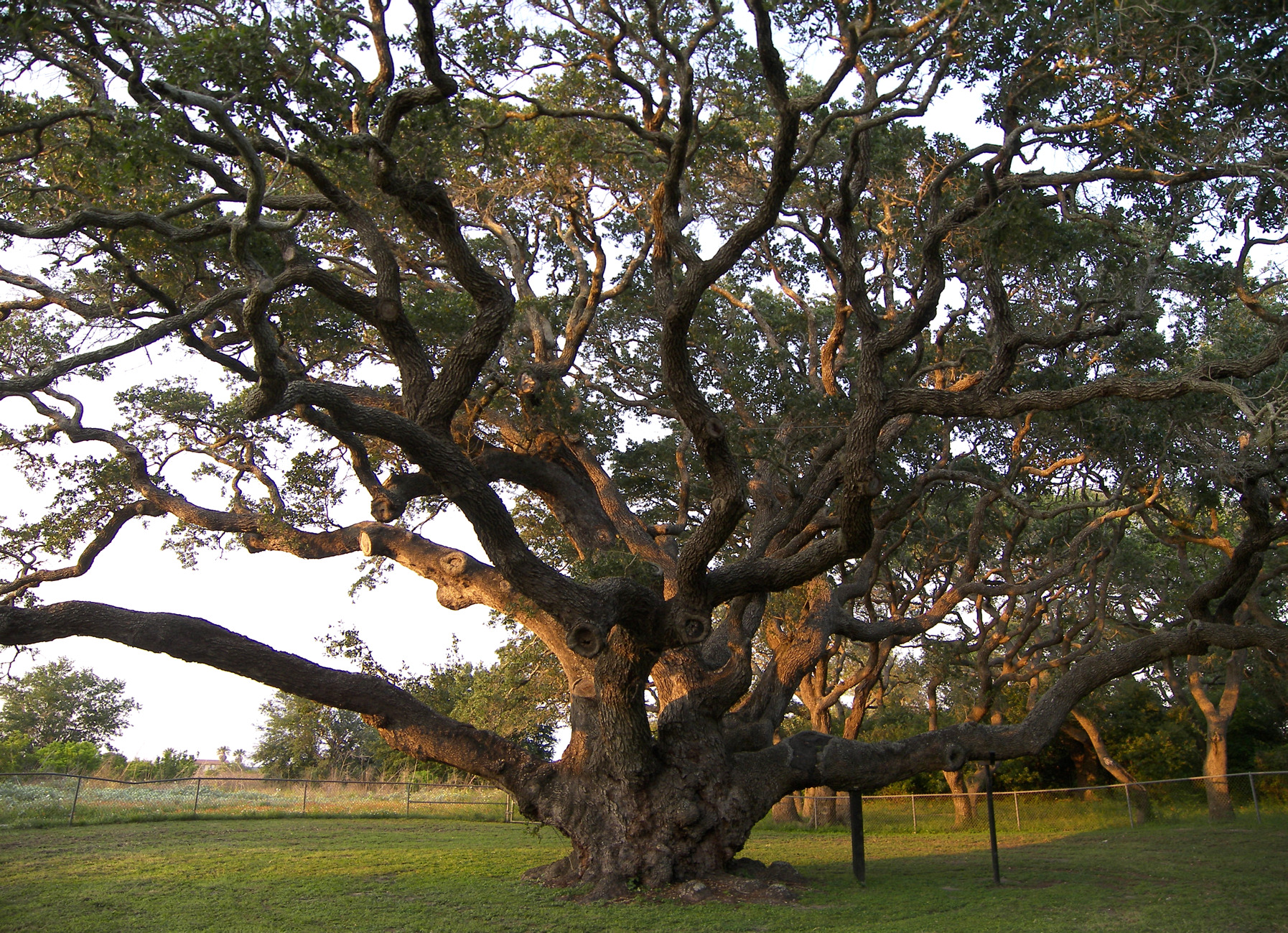
Texas, US
ここで見られるかも カッショクペリカン, オジロジカ と Laughing Gull.
ガイドを見る →
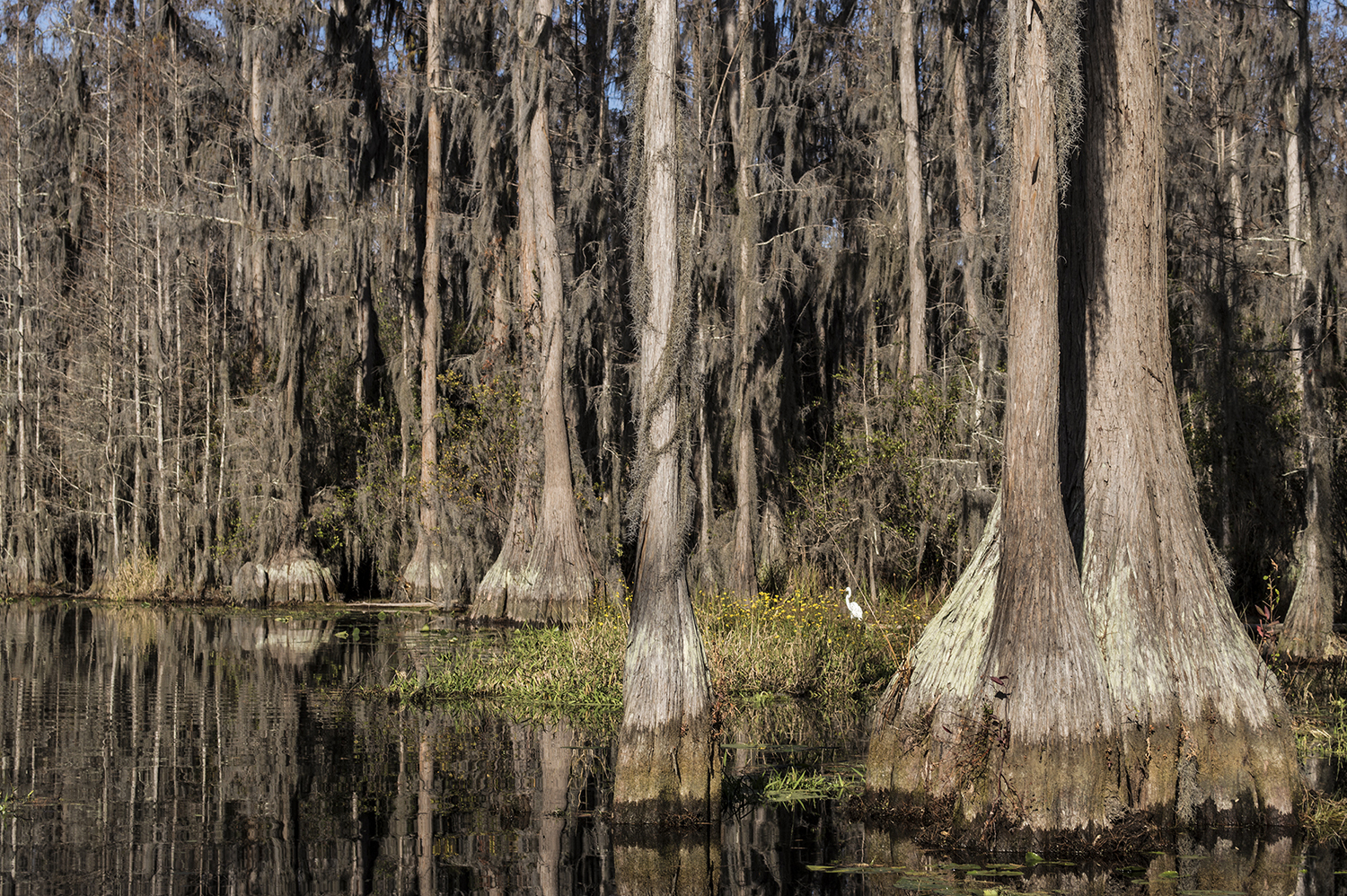
Georgia, US
ここで見られるかも アメリカアリゲーター, オジロジカ と グリーンアノール.
ガイドを見る →

Georgia, US
ここで見られるかも Red-Headed Woodpecker と American White Waterlily.
ガイドを見る →

Florida, US
ここで見られるかも オオアオサギ, Laughing Gull と Florida Rosemary.
ガイドを見る →

Florida, US
ここで見られるかも False Rosemary, Willet と Florida Rosemary.
ガイドを見る →















