

Sunflowers, Daisies, Asters, And Allies
asteraceae
The Asteraceae family, commonly known as the aster, daisy, composite, or sunflower family, is one of the largest and most ecologically successful families of flowering plants on Earth. Comprising over 32,000 known species, these incredibly resilient plants are found on every continent except Antarctica. They are characterized by their signature composite flower heads, which look like a single blossom but are actually made of dozens or hundreds of tiny individual flowers clustered tightly together. This clever evolutionary strategy makes them highly attractive and efficient landing pads for diverse pollinators.
生息地: Found in a vast array of environments worldwide, most commonly in open, sunny habitats such as grasslands, meadows, deserts, and disturbed urban areas.
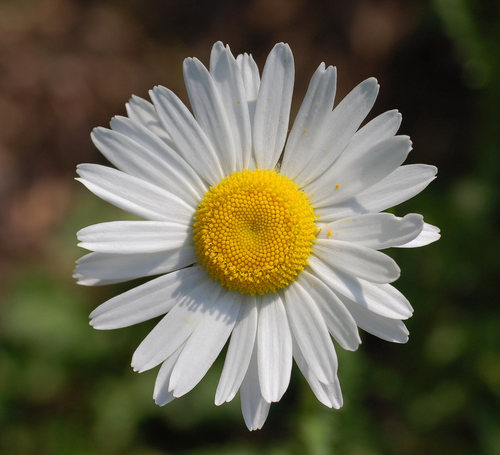
Plants in the Asteraceae family are recognized by their unique flower head, which resembles a single large bloom but is composed of outer, petal-like ray florets and inner, tightly packed disc florets. Their stems can be herbaceous, hairy, or woody, ranging in height from tiny alpine herbs to tall, robust sunflowers. The leaves are highly variable, often arranged alternately or oppositely, and frequently release a strong aromatic scent when crushed.
カテゴリ
植物レア度
Common
危険度
1/5 · 非常に低い
スナップ
最初にスナップしよう!
Lettuce, endives, artichokes, and chamomile tea are all derived from different species within the Asteraceae family.
The feathery 'parachutes' on dandelion seeds can carry them up to five miles away from the parent plant in a strong breeze.
The name Asteraceae comes from the Greek word 'aster', meaning 'star', referring to the star-like appearance of the flowering heads.
What we call a sunflower is actually a colony of thousands of individual flowers, each capable of producing its own seed.
The flower head mimics a single large blossom to attract pollinators efficiently while protecting multiple ovaries, ensuring high pollination success.
Many species produce seeds attached to a feathery structure called a pappus, which acts as a parachute to travel miles on air currents.
They synthesize complex secondary metabolites, including essential oils and bitter compounds, to deter grazing herbivores and insects.
As photosynthetic autotrophs, they manufacture their own food using sunlight, carbon dioxide, water, and essential soil minerals.
Apis mellifera
Honeybees visit Asteraceae flowers to collect nectar and pollen, acting as primary pollinators.
Danaus plexippus
Adult monarchs feed extensively on nectar from asters and sunflowers during their autumn migration.
Spinus tristis
Goldfinches feed heavily on the seeds of sunflowers and thistles, helping to disperse them.
このオブジェクトにはまだ特徴バッジが割り当てられていません。
まだ別名はありません。
テーマが追加されると、このオブジェクトのコレクションがここに表示されます。
危険度
1/5 · 非常に低い
まだ特別な安全上の注意はありません。
Sunflowers, Daisies, Asters, And Alliesを識別する最も簡単な方法は、Snappit自然識別アプリを使用することです。
2-350 cm
0.001-15 kg
1-10 年
As photosynthetic autotrophs, they manufacture their own food using sunlight, carbon dioxide, water, and essential soil minerals.
Found in a vast array of environments worldwide, most commonly in open, sunny habitats such as grasslands, meadows, deserts, and disturbed urban areas.
ズームインしてクラスターを分割し、このオブジェクトが撮影された場所を探索しましょう。
新しい観察が追加されると、ここに最近のスナップが表示されます。