tea viburnum
Viburnum setigerum
Tea viburnum is a lovely shrub with beautiful clusters of white flowers. It grows berries that are enjoyed by birds, making it a great plant for gardens and parks.
生息地: Forests
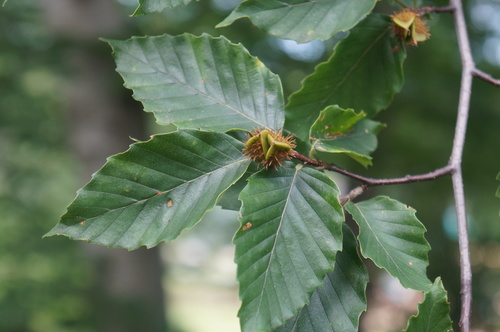
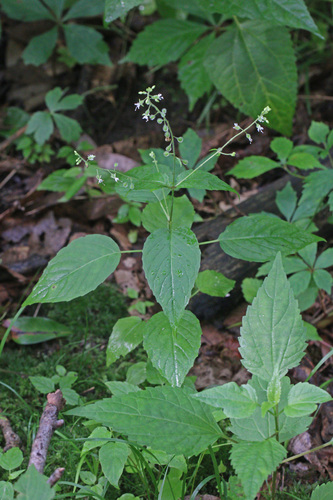
The tea viburnum is an upright, deciduous shrub featuring ovate, dark green leaves that turn reddish-purple in autumn. It produces clusters of small, creamy-white flowers in late spring, followed by striking, bright orange to red berries that persist into winter.
カテゴリ
植物レア度
Common
危険度
1/5 · 非常に低い
スナップ
最初にスナップしよう!
Despite its name, the 'tea' viburnum isn't typically used for tea, but its leaves were once explored as a tea substitute!
In fall, its green leaves transform into stunning shades of purplish-red, adding a fiery glow to the garden!
Its scientific name, setigerum, means 'bristle-bearing,' hinting at tiny hairs on its leaves and stems!
The tea viburnum's cheerful red berries can last on branches all winter, even after the leaves have fallen!
Tea viburnum's bright red berries act like a beacon, attracting birds to eat them and spread its seeds far and wide.
Its dense branches and foliage create cozy hiding spots, offering shelter and safety for small birds and insects.
The small, creamy-white flowers host a party for insects, inviting them to help the plant make new seeds.
Apis mellifera
Gathers nectar and pollen from flowers
Bombus impatiens
Visits flowers for nectar and pollen
Turdus migratorius
Consumes the bright red berries, aiding seed dispersal
Bombycilla cedrorum
Feeds on the persistent berries, especially in winter
Pyrrhalta viburni
Larvae and adults feed on the leaves
落葉植物は定期的に、主に秋や乾季にすべての葉を落とします。
観賞植物は主にその美しさを楽しむために栽培され、魅力的な葉や花、姿で風景や庭園を引き立てます。
開花植物とは、繁殖サイクルの一部として花を咲かせるすべての植物のことです。
低木は高木よりも小さい木本植物で、通常は地面やその近くから複数の茎が枝分かれしています。

春咲きの植物は春の季節に花を咲かせ、冬の終わりと新たな成長の始まりを告げます。

果実をつける植物は、種子を含む顕花植物の成熟した子房である果実を作ります。

香りのよい花は心地よい香りを放ち、主に花粉媒介者を惹きつけたり、外敵から身を守るために使われます。

多種多様な花粉媒介者(ポリネーター)にとって特に魅力的で有益な植物を表します。

森林の生息地は木々が密集して生い茂る陸上環境であり、多種多様な動植物の命を支えています。
まだ別名はありません。
危険度
1/5 · 非常に低い
Always look but don't touch the berries, as they might not be safe to eat.
200-400 cm
150-300 cm
0.5-1 cm
Late spring to early summer
いいえ
なし
多年生
昆虫
ズームインしてクラスターを分割し、このオブジェクトが撮影された場所を探索しましょう。
新しい観察が追加されると、ここに最近のスナップが表示されます。