Thread-leaved Water-crowfoot
Ranunculus trichophyllus
The Thread-leaved Water-crowfoot is a pretty plant that grows in water. It has thin, thread-like leaves and small white flowers that float on the surface, making ponds look beautiful.
生息地: Wetlands
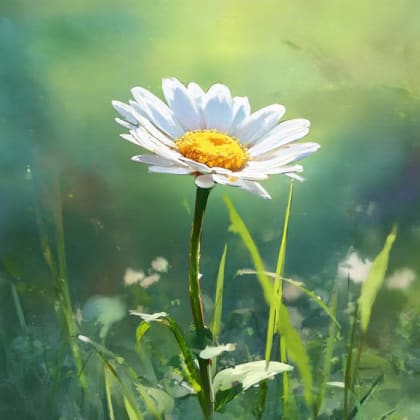
The Thread-leaved Water-crowfoot has delicate, thread-like leaves completely submerged underwater, often forming dense green masses. Small, bright white flowers, each with a yellow center, emerge just above the water surface on slender stems, contrasting with its submerged foliage.
カテゴリ
植物レア度
Common
危険度
1/5 · 非常に低い
スナップ
最初にスナップしよう!
Despite its delicate look, it can form dense underwater meadows, providing shelter for many tiny creatures.
If the water dries up, it can still survive for a while by rooting in the damp mud, waiting for rain!
It belongs to the buttercup family, Ranunculaceae, famous for its bright, often yellow, relatives!
Tiny seeds of the Water-crowfoot can hitchhike on birds' feet or fur to spread to brand new ponds!
Thread-leaved Water-crowfoot can grow delicate, thread-like leaves underwater, allowing it to sway with currents without damage.
This plant can produce two types of leaves—feathery underwater and broad floating ones—adapting to water depth and flow.
Thread-leaved Water-crowfoot produces oxygen during photosynthesis, enriching the water and benefiting aquatic animals.
Apis mellifera
Visits flowers for nectar.
Anas platyrhynchos
Dabbling ducks feed on plant parts.
Gasterosteus aculeatus
Provides cover for small fish.
Gammarus pulex
Grazes on plant detritus.
観賞植物は主にその美しさを楽しむために栽培され、魅力的な葉や花、姿で風景や庭園を引き立てます。
イネ科に似た植物は、見た目がイネ科植物に似ている草本植物で、通常、細長い葉を持っています。
夏咲きの植物は夏の間に花を咲かせます。他の多くの植物が花を終えた後でも、鮮やかな彩りを与えてくれます。
多種多様な花粉媒介者(ポリネーター)にとって特に魅力的で有益な植物を表します。

この生息地特性は、湿地(年間を通して、または季節的に水に浸かっている沼や湿原などの土地)で見られる種を示します。

淡水の生息地には、川、湖、池、湿地などの塩分を含まない水辺の環境が含まれ、多くの生物にとって不可欠な場所です。

水生の生息地には、海、川、湖、湿地など、生物が主に水中で生活する環境が含まれます。
まだ別名はありません。
危険度
1/5 · 非常に低い
Always stay close to an adult when exploring ponds and lakes.
10-100 cm
30-150 cm
0.5-1.5 cm
Spring_summer
いいえ
軽度
多年生
昆虫
ズームインしてクラスターを分割し、このオブジェクトが撮影された場所を探索しましょう。
新しい観察が追加されると、ここに最近のスナップが表示されます。