






Vancouver Bumble Bee
Bombus vancouverensis
The Vancouver Bumble Bee is a fuzzy little insect that loves to buzz around flowers. They help plants grow by spreading pollen, making them super important for nature!
生息地: Urban areas
The Vancouver Bumble Bee is a medium-sized, fuzzy bee with a distinct pattern of black and bright yellow bands across its body. It has a notable reddish-orange patch on the tip of its abdomen. This coloring helps differentiate it from other dark bumble bees in its range.
カテゴリ
昆虫レア度
Common
危険度
1/5 · 非常に低い
スナップ
最初にスナップしよう!
Queen Vancouver Bumble Bees hibernate alone underground all winter before starting a new colony.
These busy bees visit hundreds of flowers daily, helping plants grow fruits and seeds!
They have long tongues, perfect for sipping nectar from deep inside many different kinds of flowers.
Unlike honey bees, Vancouver Bumble Bees make only small amounts of honey, just enough for their colony.
Vancouver Bumble Bee can vibrate its flight muscles to shake pollen out of flowers, like a mini earthquake, because it helps them collect more food.
Vancouver Bumble Bee has a fuzzy body that traps warmth and helps it fly in cooler weather, giving it an advantage over many other insects.
Vancouver Bumble Bee can remember the best flower patches and efficient routes because it helps them find food quickly for the colony.
They drink sugary nectar for energy and gather protein-rich pollen to feed their growing family.

Trifolium pratense
Vital for the plant's seed production.
Lupinus polyphyllus
Helps these tall flowers produce new seeds.
Misumena vatia
An ambush predator hidden in flowers.
Bombus insularis
Lays its eggs in the Vancouver Bumble Bee's nest.
柔らかい体毛や毛皮が密集して体を覆っている動物の特徴を表します。
社会性動物は組織的な群れで生活し、採餌、防衛、子育てなど、生存に有利になるよう協力し合います。
多種多様な花粉媒介者(ポリネーター)にとって特に魅力的で有益な植物を表します。
食事のすべて、または大部分が植物で構成されている生物が持つ特徴です。

その存在と役割が環境に対して極めて大きな影響を与える種を指します。

昼行性の動物は主に日中に活動し、通常は夜間に休息や睡眠をとります。

この生息地の特性は、人工の建造物や緑地を利用し、都市や郊外の環境で人間と共存できる種であることを示しています。

花粉を運び、植物の受粉と繁殖を助ける生物のことを指します。
まだ別名はありません。
危険度
1/5 · 非常に低い
Bumble bees are usually friendly, but it's best to watch them from a distance.
15-40 mm
9-20 mm
15-45 日
10-20 km/h
They drink sugary nectar for energy and gather protein-rich pollen to feed their growing family.
Urban areas
Foraging
6
ズームインしてクラスターを分割し、このオブジェクトが撮影された場所を探索しましょう。
新しい観察が追加されると、ここに最近のスナップが表示されます。

British Columbia, CA
ここで見られるかも Broad-Leaved Stonecrop, ゼニガタアザラシ と Ochre Sea Star.
ガイドを見る →
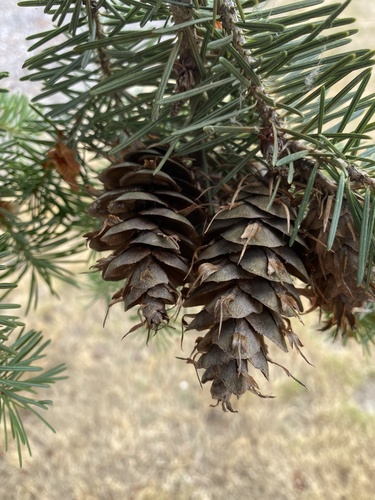
British Columbia, CA
ここで見られるかも ダグラスファー, Purple Foxglove と Oregon Oak.
ガイドを見る →

Washington, US
ここで見られるかも Oregon Oak, Pacific Madrone と Fairy-Slipper.
ガイドを見る →
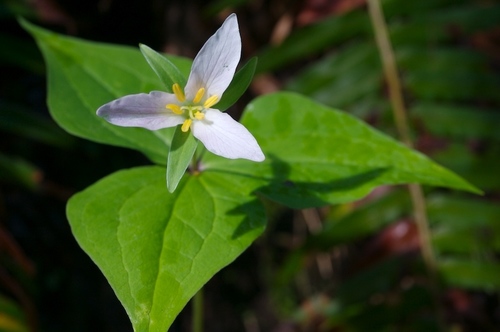
British Columbia, CA
ここで見られるかも Pacific Trillium, Vanilla Leaf と Japanese Knotweed.
ガイドを見る →
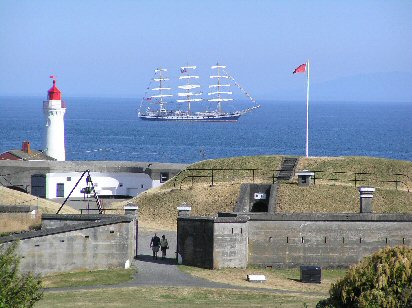
British Columbia, CA
ここで見られるかも カナダガン, Oregon Oak と ツバメ.
ガイドを見る →

British Columbia, CA
ここで見られるかも ダグラスファー, Oregon Oak と Purple Foxglove.
ガイドを見る →












