






Variable Dancer
Argia fumipennis
The Variable Dancer is a beautiful dragonfly with colorful wings that can change shades. They love to flutter around near water and are fun to watch as they dance in the air.
生息地: Wetlands
The Variable Dancer is a slender damselfly, often displaying a striking blue or violet body with dark, intricate markings along its segments. Some individuals may appear brownish or reddish, giving them their 'variable' name. Its two pairs of clear, delicate wings are held together over its back when at rest.
カテゴリ
昆虫レア度
Common
危険度
1/5 · 非常に低い
スナップ
最初にスナップしよう!
A Variable Dancer's eyes have thousands of tiny lenses, giving them amazing high-resolution vision!
Baby Variable Dancers, called nymphs, live underwater for months before becoming adults!
Some Variable Dancers have colors that shift from blue to purple depending on the temperature!
They are like tiny aerial acrobats, able to fly forwards, backwards, and even hover perfectly still!
Variable Dancer can dart and hover with incredible precision because of its agile flight, which helps them catch tiny flying insects mid-air.
Variable Dancer larvae have a special gill system that helps them breathe underwater, allowing them to hunt aquatic prey effectively.
Variable Dancer males have vibrant, changing body colors that help them attract mates and warn off rivals, communicating visually.
Variable Dancer has large, compound eyes that give it a nearly 360-degree view, helping them spot prey and predators easily.
These swift hunters munch on tiny flying insects, keeping smaller bug populations in check!
年齢による違い: Nymphs eat tiny aquatic invertebrates, while adults hunt flying insects in the air.
Culex pipiens
hunts this common biting insect
Lithobates clamitans
often eaten by this common pond frog
Fundulus notatus
larvae are a food source for this small fish
Argiope aurantia
sometimes caught in the webs of this large spider
単独行動をとる動物は、繁殖や子育ての時を除き、生涯のほとんどを1匹で生活します。
空中性の生き物は、生涯の大部分を空中で過ごし、狩りや渡り、巣作りなど様々な活動を飛びながら行います。
カラフルとは、生物や物体が明るくはっきりとした多様な色合いを見せることを指します。
この特性は、主に昆虫やその他の小型無脊椎動物を食べる生物を示します。

この生息地特性は、湿地(年間を通して、または季節的に水に浸かっている沼や湿原などの土地)で見られる種を示します。

この特性は、狩り、逃走、または移動において、並外れた素早さを見せる生物を示します。

昼行性の動物は主に日中に活動し、通常は夜間に休息や睡眠をとります。

淡水の生息地には、川、湖、池、湿地などの塩分を含まない水辺の環境が含まれ、多くの生物にとって不可欠な場所です。

花粉を運び、植物の受粉と繁殖を助ける生物のことを指します。
まだ別名はありません。
危険度
1/5 · 非常に低い
It's safe to watch dragonflies, but don't try to catch them.
30-50 mm
25-40 mm
15-60 日
8 km/h
These swift hunters munch on tiny flying insects, keeping smaller bug populations in check!
Wetlands
Pursuit
6
ズームインしてクラスターを分割し、このオブジェクトが撮影された場所を探索しましょう。
新しい観察が追加されると、ここに最近のスナップが表示されます。
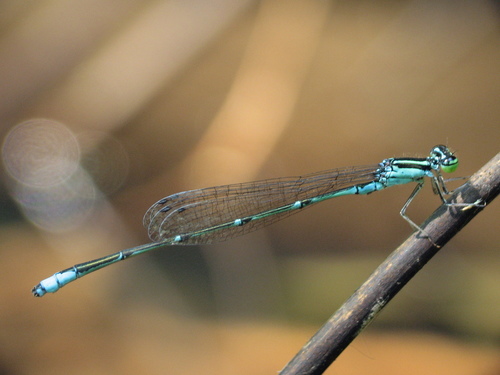
New York, US
ここで見られるかも Stream Bluet, Variable Dancer と Eastern Pondhawk.
ガイドを見る →
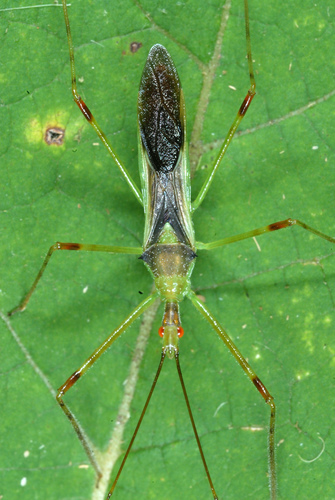
Virginia, US
ここで見られるかも Pale Green Assassin Bug, ナミテントウ と Delphacodes Shermani.
ガイドを見る →

Virginia, US
ここで見られるかも Common Watersnake, Multiflora Rose と Carolina Ruellia.
ガイドを見る →
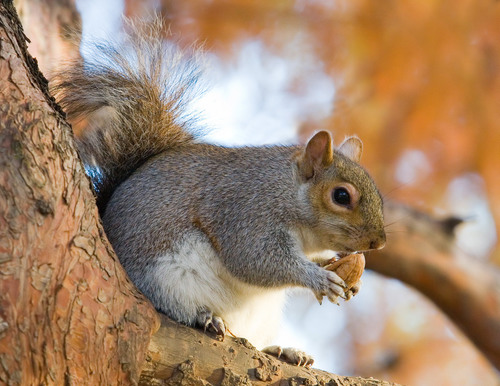
Florida, US
ここで見られるかも トウブハイイロリス, Southern Live Oak と Fir Tussock Moth.
ガイドを見る →
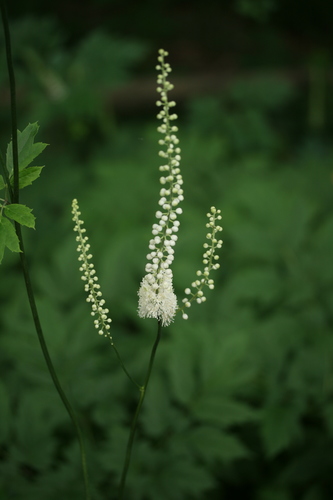
Virginia, US
ここで見られるかも Black Cohosh, Common Coral Slime と Rue Anemone.
ガイドを見る →








.jpg&width=800)



_male.jpg&width=800)

