Western Red-backed Salamander
Plethodon vehiculum
The Western Red-backed Salamander is a small, colorful creature that loves to hide under rocks and logs. They are great at blending in with their surroundings and are often found in moist forests.
生息地: Forests
The Western Red-backed Salamander is a slender amphibian with a prominent red, orange, or yellow stripe running down its back from head to tail. Its sides are typically dark brown or black, sharply contrasting with the dorsal stripe. The belly is usually mottled light and dark, giving it a camouflaged appearance.
カテゴリ
両生類レア度
Common
危険度
1/5 · 非常に低い
スナップ
最初にスナップしよう!
Female Western Red-backed Salamanders often guard their eggs until they hatch into tiny salamanderlets!
These salamanders lay their eggs on land, not in water, unlike most amphibians!
They are excellent pest controllers for tiny forest bugs, keeping insect populations balanced!
They can live for over 10 years in the wild, which is a very long time for a small salamander!
Western Red-backed Salamander has a special tail that it can drop off if a predator grabs it, helping them escape to safety.
Western Red-backed Salamander can hide from hungry predators by blending perfectly with leaves and soil, because its colors match the forest floor.
Western Red-backed Salamander can leave special scent messages for other salamanders, helping them claim territory.
They munch on tiny insects and other small invertebrates they find on the forest floor.
Thamnophis sirtalis
A common predator in its forest habitat.
Corvus brachyrhynchos
Birds may prey on salamanders found on the forest floor.
Sorex cinereus
Small mammals are known predators of salamanders.

Arion ater
Salamanders feed on small invertebrates like slugs.
単独行動をとる動物は、繁殖や子育ての時を除き、生涯のほとんどを1匹で生活します。
周囲の環境に溶け込むような色や模様を持つ生物の特徴を指します。
カラフルとは、生物や物体が明るくはっきりとした多様な色合いを見せることを指します。
この特性は、主に昆虫やその他の小型無脊椎動物を食べる生物を示します。

死んだ有機物を分解し、栄養素を生態系に循環させる生物を表します。

森林の生息地は木々が密集して生い茂る陸上環境であり、多種多様な動植物の命を支えています。

その存在と役割が環境に対して極めて大きな影響を与える種を指します。

再生能力を持つ生物は、失われたり損傷したりした体の一部、組織、器官を再び成長させる能力を備えています。

夜行性の動物は主に夜間に活動し、通常、日中は休んだり眠ったりしています。
まだ別名はありません。
危険度
1/5 · 非常に低い
Always look, but don't touch! Some salamanders can be sensitive to our skin oils.
4-12 cm
0.001-0.005 kg
5-10 年
0.2 km/h
They munch on tiny insects and other small invertebrates they find on the forest floor.
Forests
Foraging
3-17
ズームインしてクラスターを分割し、このオブジェクトが撮影された場所を探索しましょう。
新しい観察が追加されると、ここに最近のスナップが表示されます。
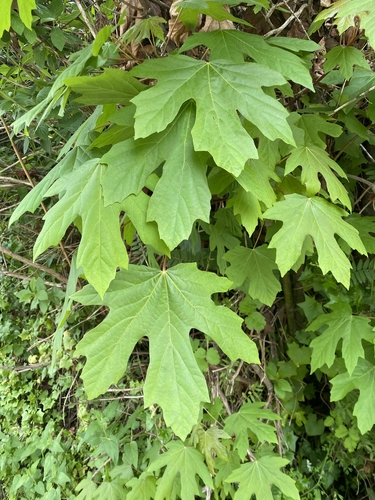
British Columbia, CA
ここで見られるかも Bigleaf Maple, Western Sword Fern と Vanilla Leaf.
ガイドを見る →

British Columbia, CA
ここで見られるかも Western Skunk Cabbage, Western Sword Fern と ベニテングタケ.
ガイドを見る →

British Columbia, CA
ここで見られるかも Herb Robert, Western Redcedar と Thimbleberry.
ガイドを見る →
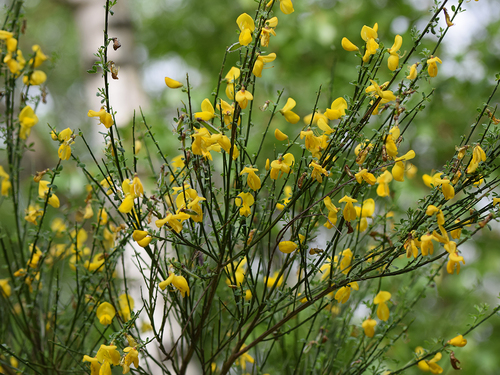
British Columbia, CA
ここで見られるかも Scotch Broom, Pacific Trillium と Fringe Cups.
ガイドを見る →

British Columbia, CA
ここで見られるかも カナダガン, Oregon Oak と ツバメ.
ガイドを見る →

British Columbia, CA
ここで見られるかも Ochre Sea Star, バナナナメクジ と Aggregating Anemone.
ガイドを見る →