

Wingnuts
pterocarya
The wingnuts (genus Pterocarya) are a fascinating group of large, deciduous trees belonging to the walnut family (Juglandaceae). Highly favored for their ornamental appeal, these trees are characterized by their rapid growth, massive spreading crowns, and majestic weeping foliage. They thrive primarily in the moist, fertile soils of river valleys and mountain streams throughout Asia. What makes the wingnuts truly spectacular is their unique reproductive strategy, where long, pendulous catkins bear winged seeds that drape elegantly from the branches like green beaded necklaces.
生息地: Typically found in moist riparian zones, damp river valleys, and alluvial floodplains with rich, water-retentive soils.
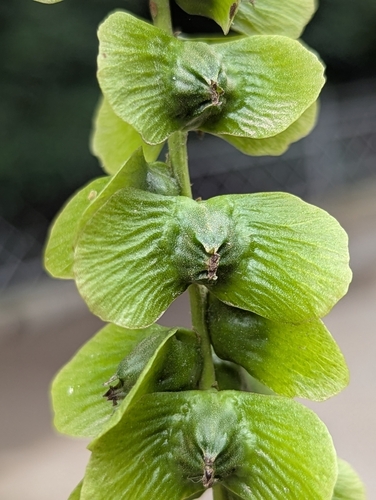
Wingnuts are impressive trees reaching heights of 15 to 30 meters, boasting deeply fissured, greyish-brown bark and large, pinnately compound leaves that stretch up to 40 centimeters long. The leaves feature 11 to 25 finely toothed, oblong leaflets. Their most identifying feature is the dramatic fruiting spike: a hanging chain measuring up to 50 centimeters long, packed with small, circular nutlets that are each flanked by two distinct flat, wings.
カテゴリ
植物レア度
Common
危険度
1/5 · 非常に低い
スナップ
最初にスナップしよう!
Despite their name, wingnuts are not nuts you can easily eat; their winged seeds contain tiny, highly protected embryos that are difficult to harvest.
In landscaping, they are known as aggressive colonizers because their roots can easily sprout new clone trees, forming dense groves if left unchecked.
Their hanging seed spikes can grow up to half a meter long, giving the tree an exotic, weeping willow-like appearance when in full fruit.
The small nutlets are equipped with two leafy wings that allow them to catch the wind and glide away from the parent tree, or float efficiently on river currents.
They develop massive, aggressive root systems that tolerate waterlogged soil and help secure shifting, wet riverbanks against erosion.
Like their walnut relatives, they produce specialized organic compounds that can inhibit the germination of competing vegetation in their immediate root zone.
As photoautotrophic plants, wingnuts generate their own organic energy using sunlight, water, and atmospheric carbon dioxide during photosynthesis.
Sciurus vulgaris
The Eurasian Red Squirrel feeds on the winged nutlets, helping to disperse the seeds to drier areas.
Lymantria dispar
Caterpillars of the Spongy Moth feed extensively on the broad, pinnate leaflets during spring outbreaks.
Armillaria mellea
Honey Fungus attacks the root systems of mature or weakened wingnut trees, causing root rot.
このオブジェクトにはまだ特徴バッジが割り当てられていません。
まだ別名はありません。
テーマが追加されると、このオブジェクトのコレクションがここに表示されます。
危険度
1/5 · 非常に低い
まだ特別な安全上の注意はありません。
Wingnutsを識別する最も簡単な方法は、Snappit自然識別アプリを使用することです。
1500-3000 cm
100-200 年
As photoautotrophic plants, wingnuts generate their own organic energy using sunlight, water, and atmospheric carbon dioxide during photosynthesis.
Typically found in moist riparian zones, damp river valleys, and alluvial floodplains with rich, water-retentive soils.
ズームインしてクラスターを分割し、このオブジェクトが撮影された場所を探索しましょう。
新しい観察が追加されると、ここに最近のスナップが表示されます。















.jpg&width=800)








