
_female.JPG&width=800)





Yellow-bellied Sapsucker
Sphyrapicus varius
The Yellow-bellied Sapsucker is a special woodpecker with a bright yellow belly! They make holes in trees to drink the sweet sap inside. You can often hear their funny tapping sounds in the forest.
生息地: Forests
The Yellow-bellied Sapsucker has a distinctive black and white barred back, a bold white stripe on its folded wing, and a red cap. Males also feature a bright red throat, contrasting with the yellowish wash on its belly.
カテゴリ
鳥類レア度
Common
危険度
1/5 · 非常に低い
スナップ
最初にスナップしよう!
A sapsucker's drumming isn't just for food; it's a unique language used to attract mates and mark territory!
Look for trees with rows of small, square holes; that's a sign a Yellow-bellied Sapsucker has been dining there!
These birds drill "sap wells" that other animals, like hummingbirds and squirrels, visit for a sugary snack!
They don't just eat sap! Baby sapsuckers are fed insects, fruit, and even a little sap to help them grow.
Yellow-bellied Sapsucker can create neat rows of shallow holes in tree bark because it provides a steady flow of nutritious sap.
Yellow-bellied Sapsucker has a specialized brush-tipped tongue that helps it lap up tree sap efficiently from its sap wells.
Yellow-bellied Sapsucker can excavate new nest cavities annually that provide homes for other forest creatures.
Feeds mainly on tree sap, collected from its own drilled holes, supplemented with insects and fruits.
年齢による違い: Young birds are fed mostly insects and fruit, gradually switching to a sap-heavy diet.
Acer rubrum
Provides sap for food.

Archilochus colubris
Drinks sap from sapsucker wells.

Glaucomys sabrinus
Uses old sapsucker cavities for nests.
Falco sparverius
Hunted by this bird of prey.
羽毛に覆われている動物(主に鳥類)を指します。
社会性動物は組織的な群れで生活し、採餌、防衛、子育てなど、生存に有利になるよう協力し合います。
さえずったり歌ったりする動物は、つがいの相手を惹きつけたり、縄張りを守ったり、同種間でコミュニケーションをとるために、複雑な声を出します。
食事のすべて、または大部分が植物で構成されている生物が持つ特徴です。

森林の生息地は木々が密集して生い茂る陸上環境であり、多種多様な動植物の命を支えています。

その存在と役割が環境に対して極めて大きな影響を与える種を指します。

昼行性の動物は主に日中に活動し、通常は夜間に休息や睡眠をとります。

移動性の動物は、気候の変化や食べ物の有無に合わせて、季節ごとに地域から地域へと移動します。
まだ別名はありません。
危険度
1/5 · 非常に低い
Enjoy watching birds from a distance and don't disturb their nests.
19-21 cm
34-40 cm
0.043-0.055 kg
4-7 年
55 km/h
Feeds mainly on tree sap, collected from its own drilled holes, supplemented with insects and fruits.
Forests
Foraging
ズームインしてクラスターを分割し、このオブジェクトが撮影された場所を探索しましょう。
新しい観察が追加されると、ここに最近のスナップが表示されます。
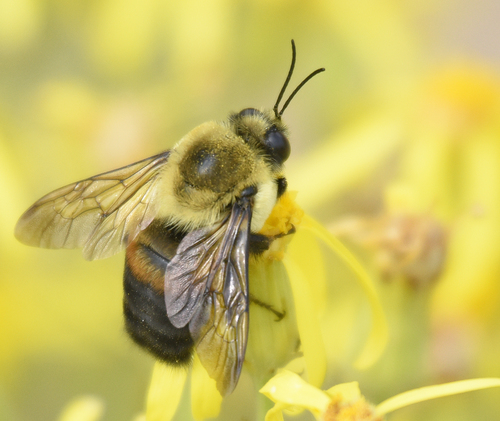
New York, US
ここで見られるかも Brown-Belted Bumble Bee, トウブハイイロリス と コマツグミ.
ガイドを見る →
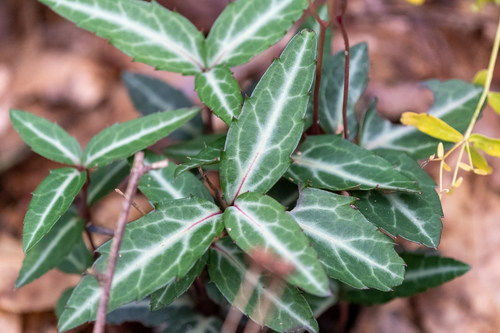
Virginia, US
ここで見られるかも Striped Wintergreen, Christmas Fern と Autumn Olive.
ガイドを見る →
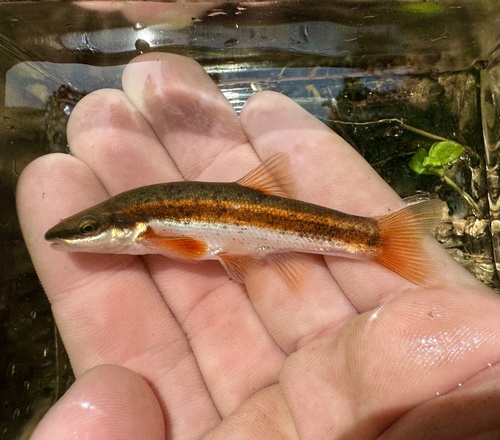
Virginia, US
ここで見られるかも Eastern Blacknose Dace と Common Jewelweed.
ガイドを見る →
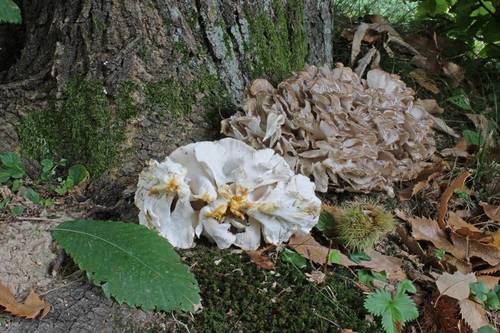
Virginia, US
ここで見られるかも マイタケ, ホワイトオーク と Harlequin Glorybower.
ガイドを見る →












