Yellow-necked Field Mouse
Apodemus flavicollis
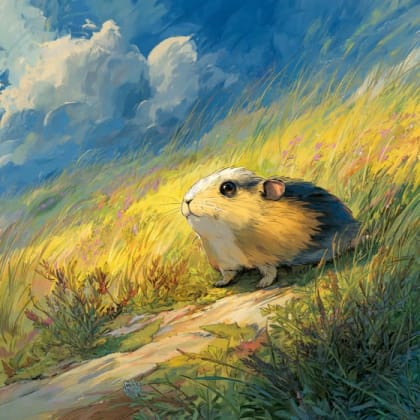
The Yellow-necked Field Mouse is a small, cute mouse with a yellowish neck. They love to scurry around in fields and forests, looking for seeds and plants to munch on.
生息地: Grasslands
The Yellow-necked Field Mouse has soft, yellowish-brown fur on its back, a bright white belly, and a distinctive band of yellow fur across its chest and throat. It possesses large ears, prominent black eyes, and a tail typically as long as its body, making it visually distinct from other field mice.
カテゴリ
哺乳類レア度
Common
危険度
1/5 · 非常に低い
スナップ
最初にスナップしよう!
Females can have up to 4 litters a year, quickly increasing their population!
Their continuously growing front teeth mean they must constantly gnaw to keep them short!
They build deep, complex underground burrow systems with multiple exits and food stores.
Yellow-necked mice can jump over 70cm high from a standing start!
Yellow-necked Field Mouse can scale trees easily because of strong claws that help them forage for seeds high up.
Yellow-necked Field Mouse has long whiskers that help them navigate in darkness and find food underground.
Yellow-necked Field Mouse can store large amounts of food in its burrows, helping them survive cold winters.
Yellow-necked Field Mouse has large ears that help them detect approaching predators from far away.
These small mammals eat a varied diet of seeds, nuts, fruits, and insects.
Vulpes vulpes
A common predator in its forest habitat.

Strix aluco
Hunts at night when mice are active and visible.
Mustela nivalis
Small enough to follow mice into their burrows.
Quercus robur
Relies on their acorns for food, especially in autumn.
Fagus sylvatica
Consumes beech nuts when they are available.
柔らかい体毛や毛皮が密集して体を覆っている動物の特徴を表します。
単独行動をとる動物は、繁殖や子育ての時を除き、生涯のほとんどを1匹で生活します。
樹上性の動物は主に木の上で生活し、木を住処や餌場、天敵から身を守る場所として利用します。
草原の生息地は、草や草本植物が優占する陸上バイオームであり、多様な草食動物を支えています。

食事のすべて、または大部分が植物で構成されている生物が持つ特徴です。

この特性は、狩り、逃走、または移動において、並外れた素早さを見せる生物を示します。

夜行性の動物は主に夜間に活動し、通常、日中は休んだり眠ったりしています。
まだ別名はありません。
危険度
1/5 · 非常に低い
If you see a mouse, it's best to watch from a distance and not try to touch it.
8.5-12 cm
0.02-0.05 kg
1-2 年
13 km/h
These small mammals eat a varied diet of seeds, nuts, fruits, and insects.
Grasslands
Foraging
2-11
ズームインしてクラスターを分割し、このオブジェクトが撮影された場所を探索しましょう。
新しい観察が追加されると、ここに最近のスナップが表示されます。