

Corn
Zea mays
Corn is a tall plant that grows big ears filled with yellow kernels. It's a popular food for people and animals!
Habitat: Farms and fields
The Corn has tall, thick green stalks with long, broad leaves that reach towards the sun. At the top is a feathery "tassel" of male flowers, and lower down are ears covered in silky hairs, which develop into rows of colorful kernels.
Category
PlantsRarity
Common
Danger
1/5 · Very low
Snaps
Be the first to snap!
Corn cannot plant its own seeds; it relies completely on humans to grow!
Corn is actually a giant grass, related to wheat and sugarcane!
Each tiny silk on a corn ear connects to one kernel! That's a lot of silks!
Wild corn from long ago had super tiny ears, only a few inches big!
Corn can use the wind to carry its lightweight pollen from the top tassel to silks on other plants, ensuring fertilization.
Corn has sturdy prop roots that grow out from the lower stalk, helping to anchor the tall plant against strong winds.
Homo sapiens
Cultivated globally as a major food source.
Diabrotica virgifera
Larvae feed on corn roots, damaging the plant.
Spodoptera frugiperda
Larvae chew on corn leaves and bore into ears.
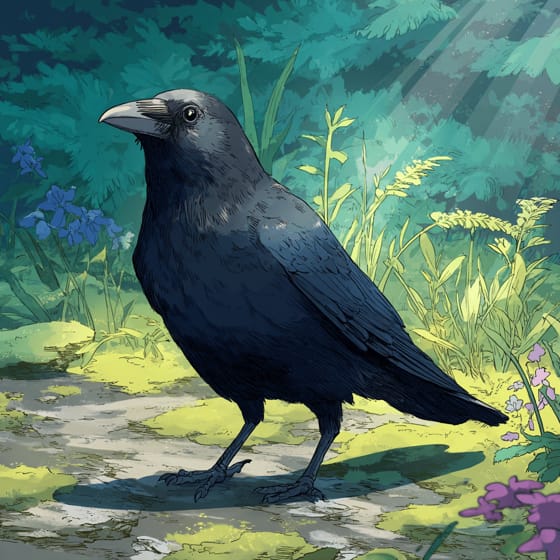
Corvus brachyrhynchos
Often feeds on corn kernels in fields.
Summer blooming plants produce their flowers during the summer season, often providing vibrant color when many other plants have finished.
This human use trait denotes species cultivated as grain crops, harvested for their edible dry seeds (grains), which are a staple food source.
This human use trait describes species cultivated or domesticated by humans for agricultural purposes, including crops and livestock.
Edible plants are those parts of a plant that are considered safe for human consumption.

Grassland habitats are terrestrial biomes dominated by grasses and herbaceous plants, supporting a variety of grazing animals.

Rapid growing plants exhibit accelerated growth rates, quickly increasing in size and biomass within a short period.
Danger
1/5 · Very low
Explore with care and ask an adult if you’re unsure what to do.
150-300 cm
30-60 cm
Summer
Yes
None
Annual
Wind
Farms and fields
Zoom in to split clusters and explore where this object has been snapped.
Recent snaps will appear here as new observations are added.