






Ice Plant
Delosperma
Ice Plant is a fun plant with bright, colorful flowers that look like little jewels! It loves sunshine and can even survive in sandy soil.
Habitat: Dry, sunny areas
The Ice Plant is a low-growing succulent known for its fleshy leaves that often appear covered in tiny, glistening 'ice crystals.' It forms dense mats and produces an abundance of small, daisy-like flowers in vivid shades of pink, purple, yellow, or orange.
Category
PlantsRarity
Rare
Danger
1/5 · Very low
Snaps
Be the first to snap!
Its leaves look like they're covered in tiny, sparkling ice crystals!
Some ice plants can amazingly change color when the weather gets cold.
They are often planted on hillsides to help stop the soil from washing away.
You can grow a whole new plant from just a tiny piece of its stem!
Ice Plant can store water in its thick, fleshy leaves to survive long periods without rain.
Its bright flowers only open when the sun shines, saving energy at night or on cloudy days.
Ice Plant can grow in salty soils where most other plants struggle, thanks to special glands.
Apis mellifera
Helps this busy insect gather nectar and pollen.
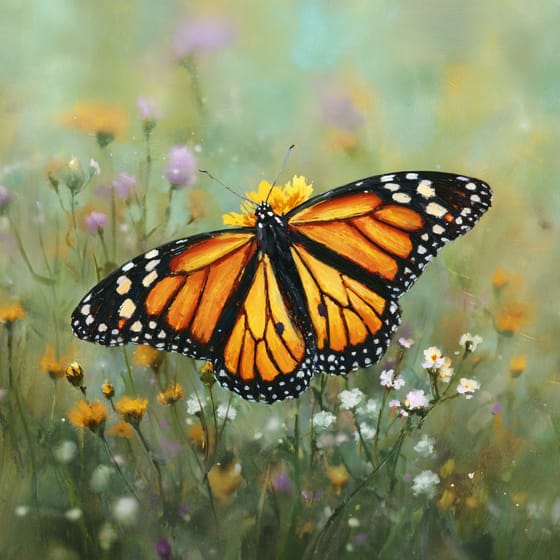
Danaus plexippus
Provides nectar for this famous migrating butterfly.
Helix aspersa
Can be a snack for this slow-moving garden creature.
Shade tolerant plants are adapted to grow and thrive in areas with low light levels, requiring less direct sunlight.
Evergreen plants retain their foliage throughout the year, never shedding all their leaves at once.
Fragrant flowers emit a pleasant aroma, often to attract pollinators or for defense.
Drought-tolerant plants can survive and flourish in conditions with limited water availability.

Succulent plants have thickened, fleshy parts, usually leaves or stems, adapted to store water in arid climates.

Coastal habitats are dynamic environments located along the interface between land and sea, influenced by tides, waves, and saltwater.
Danger
1/5 · Very low
Explore with care and ask an adult if you’re unsure what to do.
5-20 cm
30-60 cm
2-5 cm
Spring to fall
Yes
None
Perennial
Insect
Zoom in to split clusters and explore where this object has been snapped.
Recent snaps will appear here as new observations are added.


















