

Papyrus
Cyperus papyrus
Papyrus is a tall, grassy plant that grows near water. It has long, thin stems and fluffy tops that look like little umbrellas!
Habitat: Swamps and riverbanks
The Papyrus has tall, sturdy, triangular green stems topped with a dense, globe-like cluster of fine, bright green, thread-like leaves that resemble an exploding firework or an umbrella.
Category
PlantsRarity
Common
Danger
1/5 · Very low
Snaps
Be the first to snap!
Ancient Egyptians used papyrus to build boats and make paper!
Eating the base of a papyrus stem tastes a bit like sweet sugarcane!
Its distinctive 'umbrella' top can grow as wide as a dinner plate!
Papyrus soaks up dirty water, acting like a natural filter for lakes.
Papyrus can absorb excess nutrients from water, helping to keep its wetland home clean and healthy.
Papyrus has strong, triangular stems that help it stand tall against winds and water currents in its watery habitat.
Papyrus has fast-growing rhizomes, allowing it to quickly spread and form dense stands in shallow waters.
Oreochromis niloticus
provides safe breeding grounds and refuge for fish.
Egretta garzetta
ideal nesting and roosting sites for wetland birds.
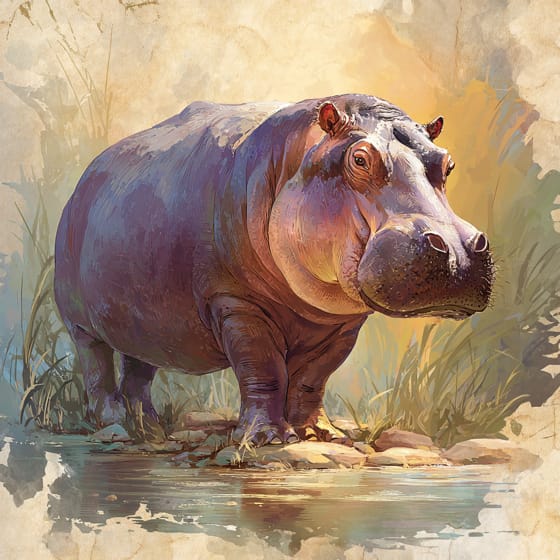
Hippopotamus amphibius
large herbivores graze on its succulent young stems.
Aedes aegypti
dense foliage offers habitat for mosquito larvae.
Grass-like plants are herbaceous plants that visually resemble true grasses, typically having long, narrow leaves.
Evergreen plants retain their foliage throughout the year, never shedding all their leaves at once.
This human use trait identifies species that yield natural fibers, used by humans for textiles, rope, paper, and other manufactured goods.
Rapid growing plants exhibit accelerated growth rates, quickly increasing in size and biomass within a short period.

This habitat trait identifies species found in wetlands, which are areas of land saturated with water, either permanently or seasonally, including marshes, swamps, and bogs.
Danger
1/5 · Very low
Explore with care and ask an adult if you’re unsure what to do.
200-500 cm
100-200 cm
Summer to Fall
Yes
None
Perennial
Wind
Swamps and riverbanks
Zoom in to split clusters and explore where this object has been snapped.
Recent snaps will appear here as new observations are added.