Pieris
Pieris
Pieris is a cheerful plant with delicate white flowers. It blooms in early spring and is perfect for attracting pollinators!
Habitat: Gardens and woodlands
The Pieris is an evergreen shrub with glossy, dark green leaves that often emerge bronze or red before maturing. It features beautiful drooping clusters of small, white or pink bell-shaped flowers, resembling lilies-of-the-valley.
Category
PlantsRarity
Rare
Danger
1/5 · Very low
Snaps
Be the first to snap!
Bees love its early spring flowers, but it's not a snack for people or pets!
Its flowers look like tiny upside-down bells dangling in beautiful bunches!
Pieris is an evergreen, so its leaves stay green all year, even in winter!
Some types are called 'Lily-of-the-Valley Shrub' because of their flower shape!
Pieris has new leaves that emerge bright red or bronze, helping protect them from harsh sunlight before they fully mature.
Pieris produces natural toxins, making its leaves and flowers poisonous to deter hungry animals from eating them.
Pieris can bloom in late winter, providing an important early food source for hungry pollinators when other flowers are scarce.
Apis mellifera
Visits early spring flowers for nectar.
Bombus terrestris
Efficiently collects pollen from its bells.
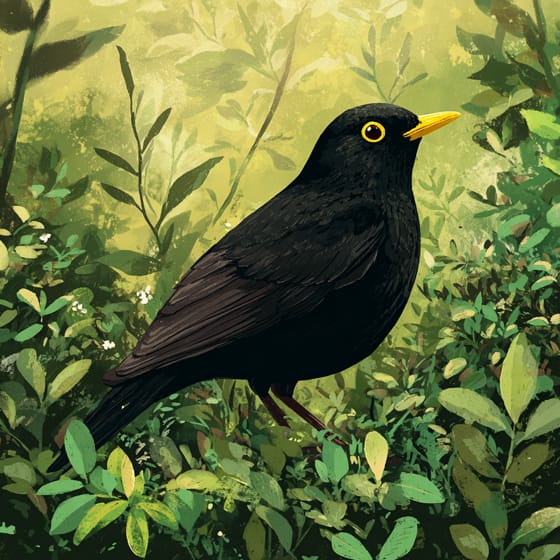
Turdus merula
Often nests within its dense branches.
A shrub is a woody plant smaller than a tree, typically with multiple stems branching from or near the ground.
Spring blooming plants produce their flowers during the spring season, often signifying the end of winter and the start of new growth.
Evergreen plants retain their foliage throughout the year, never shedding all their leaves at once.
Fragrant flowers emit a pleasant aroma, often to attract pollinators or for defense.

Forest habitats are terrestrial environments dominated by dense tree cover, supporting a high diversity of plant and animal life.
Danger
1/5 · Very low
Explore with care and ask an adult if you’re unsure what to do.
100-400 cm
100-400 cm
0.5-1 cm
Late winter to early spring
No
Moderate
Perennial
Insect
Zoom in to split clusters and explore where this object has been snapped.
Recent snaps will appear here as new observations are added.