


Roan Antelope
Hippotragus equinus
The Roan Antelope is a majestic mammal with striking reddish-brown fur and long, curved horns. They are known for their graceful movements and large herds that roam the savannas of Africa.
Habitat: Savannas
The Roan Antelope has a distinctive reddish-brown, or 'roan', coat with a striking black and white facial mask. Its long, heavily ringed horns curve backward and it has large, tufted ears, making it easily recognizable from other antelopes.
Category
MammalsRarity
Common
Danger
2/5 · Low
Snaps
Be the first to snap!
Males engage in spectacular horn-locking contests to show who is the strongest in the herd!
Roan Antelopes are named for their beautiful reddish-brown coat, which looks like a horse's roan color!
Their huge ears can rotate to pinpoint even the faintest sounds of movement from far away!
When threatened, a Roan Antelope will face its attacker, standing its ground bravely instead of fleeing!
Roan Antelope can fiercely defend itself using its long, sharp, ringed horns that help them ward off dangerous predators.
Roan Antelope has a specialized diet, primarily consuming medium-length grasses that helps them thrive in savannas.
Roan Antelope has excellent hearing and sight that helps them detect predators from afar, keeping the herd safe.
These large antelopes are herbivores that love to munch on medium-length grasses and various plants.
Panthera leo
Lions are major predators, often targeting calves.
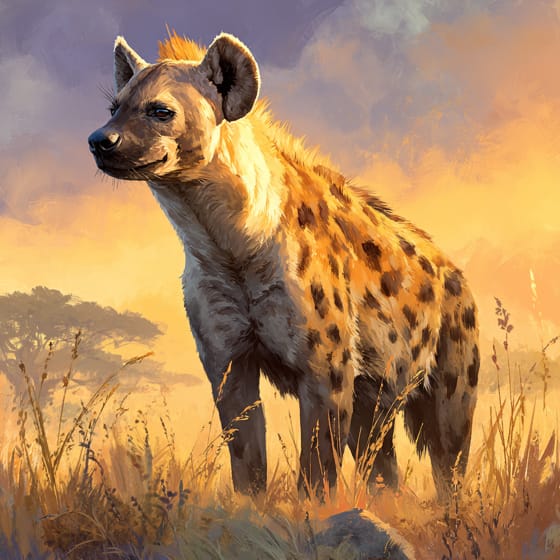
Crocuta crocuta
Hyenas hunt in groups, preying on young antelopes.
Themeda triandra
A primary food source, grazing on its leaves.
Furry describes animals possessing a dense covering of soft hair or fur.
Social animals live in organized groups, cooperating for survival benefits such as foraging, defense, and raising offspring.
Characterized by having one or more hard, permanent, pointed projections on the head.
This trait characterizes organisms whose diet consists entirely or primarily of plant material.

This habitat trait denotes species native to savannas, which are grasslands with scattered trees, typically found in tropical or subtropical regions with distinct wet and dry seasons.

Diurnal animals are primarily active during daylight hours, typically resting or sleeping at night.

Describes a species whose presence and role have a disproportionately large effect on its environment.

This trait identifies organisms that exhibit exceptional swiftness in movement for hunting, escape, or travel.
No aliases listed yet.
Danger
2/5 · Low
Admire these beautiful animals from a safe distance and never approach them in the wild.
190-240 cm
230-300 kg
15-20 years
60 km/h
These large antelopes are herbivores that love to munch on medium-length grasses and various plants.
Savannas
Grazing
1
Zoom in to split clusters and explore where this object has been snapped.
Recent snaps will appear here as new observations are added.