Crab Spider
Mecaphesa asperata
Crab Spiders are clever little hunters that can change color to blend in with flowers. They wait patiently for their food to come by.
Habitat: Flowers and gardens
The Crab Spider has a flattened body with large, powerful front legs that are often held outstretched. They are frequently camouflaged in white, yellow, green, or brown, allowing them to perfectly blend with flowers, leaves, or bark. Its crab-like posture and often broad abdomen make it visually distinct from many other spiders.
Category
InsectsRarity
Common
Danger
2/5 · Low
Snaps
Be the first to snap!
Crab spiders are patient hunters, waiting perfectly still for hours to catch a meal!
The female crab spider is often much, much larger and stronger than the tiny male!
They use their strong front two pairs of legs like a trap to snatch unsuspecting insects!
Unlike most spiders, many crab spiders do not spin webs to catch their prey!
Crab Spiders can change their body color over several days to perfectly match the flowers or leaves they hunt on, helping them ambush prey unnoticed.
Crab Spiders have specialized leg joints that allow them to walk forwards, backward, and rapidly sideways, which helps them maneuver quickly for hunting or escape.
Crab Spiders possess a mild venom that helps them quickly subdue their insect prey, ensuring they don't escape after being captured by their powerful front legs.
Crab spiders are tiny hunters that love to eat other insects they catch on flowers!
Apis mellifera
Snatch bees visiting flowers for nectar.
Syrphus ribesii
Ambushes flies that land on flowers.
Parus major
Small birds will spot and eat them.
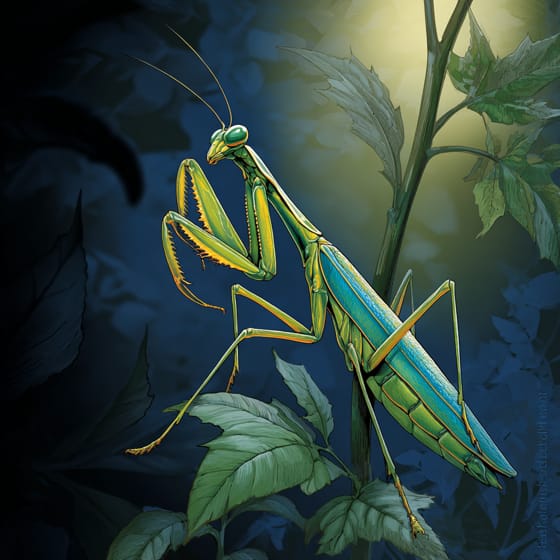
Mantis religiosa
Larger predatory insects might catch them.
Wildlife encompasses all undomesticated animal and plant life existing in their natural habitats.
Camouflaged describes organisms that possess coloring or patterns that allow them to blend into their environment.
An ambush predator hunts by patiently waiting and concealing itself, then launching a sudden attack when unsuspecting prey comes within range.
Coastal habitats are dynamic environments located along the interface between land and sea, influenced by tides, waves, and saltwater.

This trait identifies organisms whose diet consists entirely or primarily of animal tissue.
Regenerative organisms possess the ability to regrow lost or damaged body parts, tissues, or organs.
Danger
2/5 · Low
Do not touch or pick up. Some insects sting or bite. Ask an adult for help.
2-10 mm
60-365 days
Crab spiders are tiny hunters that love to eat other insects they catch on flowers!
Flowers and gardens
Ambush
8
Zoom in to split clusters and explore where this object has been snapped.
Recent snaps will appear here as new observations are added.