



Rice
Oryza sativa
Rice is a small, round grain that grows in water. It is a staple food for many people around the world!
Habitat: Wet fields and paddies
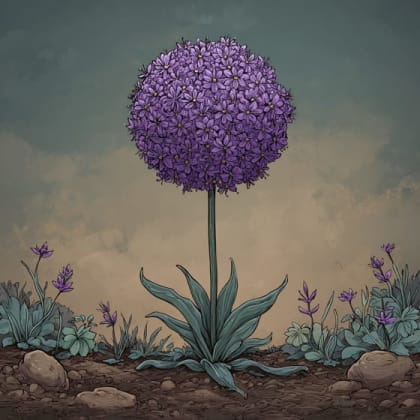
The Rice plant has slender, grass-like leaves and hollow stems. Its small, inconspicuous flowers cluster on a branched stalk, developing into the familiar grains. When ripe, the fields turn a beautiful golden color.
Category
PlantsRarity
Common
Danger
1/5 · Very low
Snaps
Be the first to snap!
Each tiny rice grain you eat is actually a type of fruit!
Rice is a staple food for over half of all the people on Earth!
Some types of rice can grow over 20 feet tall to escape deep floods!
The oldest cultivated rice grains found are over 9,000 years old!
Rice can grow in flooded fields because its stems have air channels, helping it breathe underwater.
Rice has many tiny flowers that develop into numerous grains, allowing it to produce a large food harvest.
Rice can pollinate itself, ensuring it produces seeds and a crop even without help from insects or wind.
Nilaparvata lugens
Feeds on rice plant sap
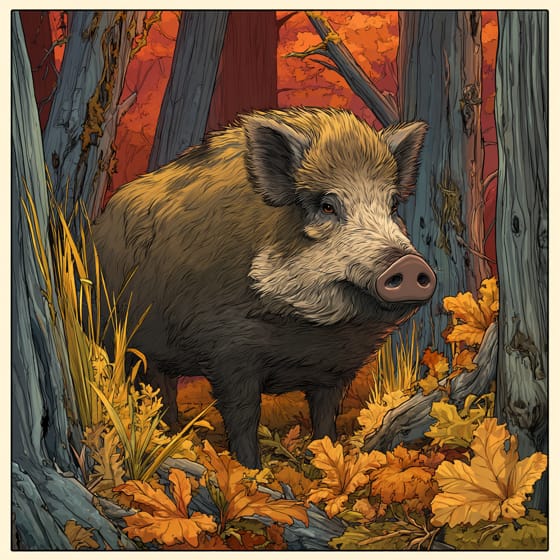
Sus scrofa
Consumes rice plants and grains
Quelea quelea
Flocks consume large amounts of grains
Azolla filiculoides
Fixes nitrogen in paddy water
This human use trait denotes species cultivated as grain crops, harvested for their edible dry seeds (grains), which are a staple food source.
This human use trait describes species cultivated or domesticated by humans for agricultural purposes, including crops and livestock.
Edible plants are those parts of a plant that are considered safe for human consumption.
This habitat trait identifies species found in wetlands, which are areas of land saturated with water, either permanently or seasonally, including marshes, swamps, and bogs.
Danger
1/5 · Very low
Explore with care and ask an adult if you’re unsure what to do.
60-180 cm
15-30 cm
0.2-0.3 cm
Summer to fall
Yes
None
Annual
Self
Zoom in to split clusters and explore where this object has been snapped.
Recent snaps will appear here as new observations are added.