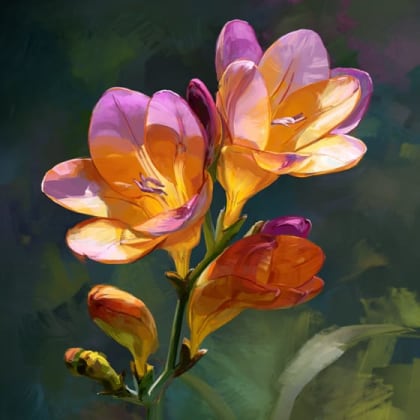




Marigold
Tagetes erecta
Marigolds are bright orange and yellow flowers that are fun to grow! They bloom all summer and are great for attracting pollinators.
Habitat: Gardens and outdoor spaces
The Marigold has bright, cheerful daisy-like or carnation-like flowers, typically in warm shades of orange, yellow, and red. Its feathery, dark green leaves emit a distinct, pungent aroma, setting it apart from many other garden blooms.
Category
PlantsRarity
Common
Danger
1/5 · Very low
Snaps
Be the first to snap!
Ancient Aztecs honored marigolds, using them for medicine and rituals.
Marigold petals are sometimes fed to chickens to make egg yolks brighter!
Marigolds are vital to Mexico's Día de Muertos celebrations!
The petals of many marigolds are safe to eat and tasty in salads!
Marigold roots release special chemicals that help protect nearby plants from tiny underground worms called nematodes.
Its vibrant orange and yellow flowers act like bright signals, attracting helpful bees and butterflies for pollination.
The petals contain natural pigments, allowing Marigolds to be used to safely add golden color to food or fabrics.
Apis mellifera
Gathers nectar and pollen
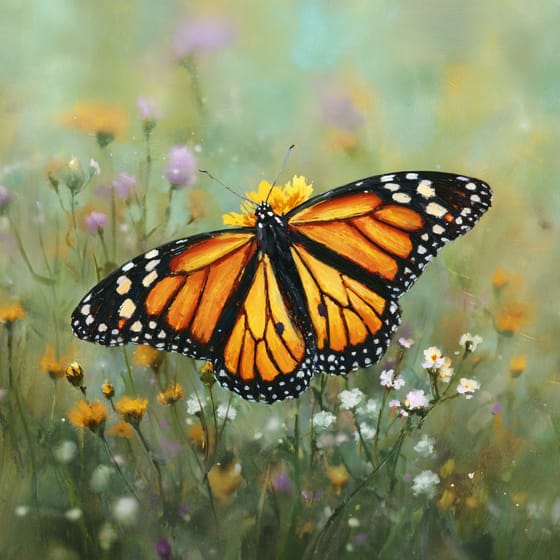
Danaus plexippus
Sips nectar from vibrant flowers
Helix aspersa
Can sometimes munch on leaves
Myzus persicae
Feeds on plant sap and leaves
Annual plants complete their entire life cycle, from germination to seed production, within a single growing season.
Herbaceous plants are non-woody plants with soft stems that typically die back to the ground at the end of the growing season.
Ornamental plants are cultivated primarily for their aesthetic appeal, enhancing landscapes and gardens with their attractive foliage, flowers, or form.
Summer blooming plants produce their flowers during the summer season, often providing vibrant color when many other plants have finished.

Fragrant flowers emit a pleasant aroma, often to attract pollinators or for defense.

Describes plants that are particularly attractive and beneficial to a wide range of pollinating organisms.

This habitat trait indicates species that can coexist with humans in urban and suburban environments, utilizing man-made structures and green spaces.
Danger
1/5 · Very low
Explore with care and ask an adult if you’re unsure what to do.
15-90 cm
15-60 cm
1-10 cm
Summer to Fall
Yes
None
Annual
Insect
Zoom in to split clusters and explore where this object has been snapped.
Recent snaps will appear here as new observations are added.