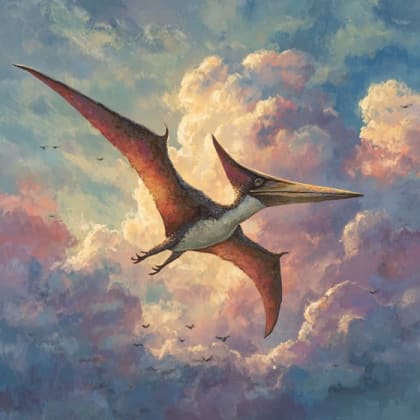




Tyrannosaurus rex
Tyrannosaurus rex
Tyrannosaurus rex was a prehistoric dinosaur known for its distinctive features. Scientists study its bones to learn about how dinosaurs lived.
Habitat: Mesozoic forests and floodplains
The Tyrannosaurus rex is a massive, bipedal predator with a disproportionately large head and powerful jaws. It has tiny, two-fingered forelimbs and a thick, balancing tail, giving it a distinctive, fearsome silhouette.
Category
AncientRarity
Legendary
Danger
1/5 · Very low
Snaps
Be the first to snap!
Adults might have eaten up to 500 pounds of meat in a single meal!
Its teeth were serrated like steak knives, perfect for tearing flesh!
The largest T. rex tooth found measured over 30 centimeters long!
Tyrannosaurus rex could run as fast as a car in some short bursts!
Tyrannosaurus rex can deliver the strongest bite of any land animal, powerful enough to crush bone, helping it tear through tough prey.
Tyrannosaurus rex has an incredible sense of smell, allowing it to detect carcasses or prey from many miles away.
Tyrannosaurus rex can grow incredibly fast during its teenage years, gaining thousands of kilograms to become a giant.
Tyrannosaurus rex has forward-facing eyes, giving it excellent binocular vision for precise hunting and depth perception.
A fierce, opportunistic predator that actively hunted large plant-eating dinosaurs and also scavenged.
Age differences: Juvenile T. rex likely hunted smaller prey than adults, shifting its diet as it grew.
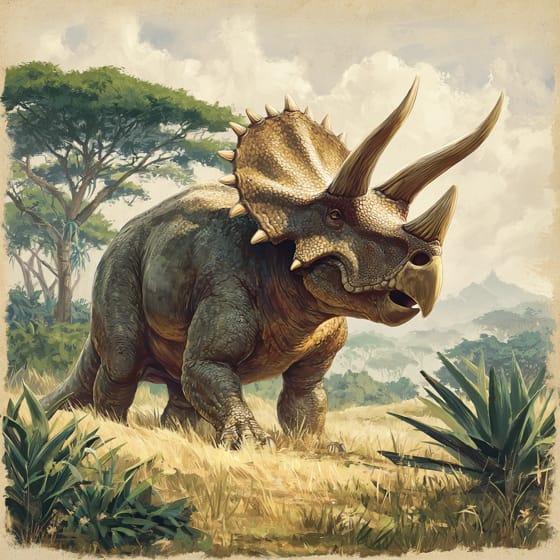
Triceratops horridus
A primary herbivorous prey
Edmontosaurus annectens
Another common herbivore prey
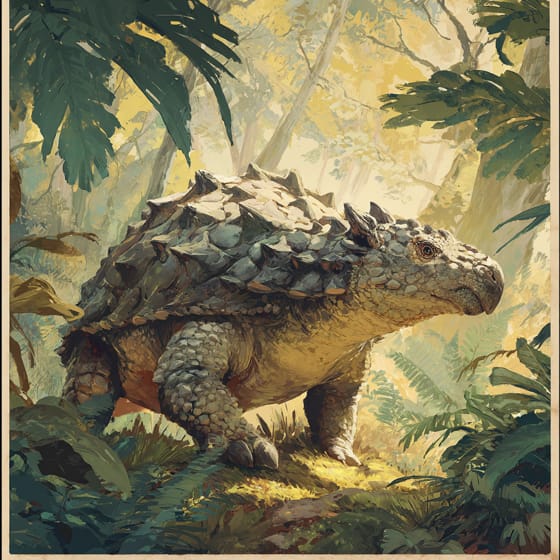
Ankylosaurus magniventris
Heavily armored, but still prey
Ancient refers to organisms, objects, or geological formations that have existed for an extremely long period.
An artifact is an object made or modified by human culture, typically of historical or archaeological interest.
Armored describes animals protected by a hard, external covering or shell for defense.
A fossil is the preserved remains or traces of an ancient organism embedded in rock or other geological deposits.
Danger
1/5 · Very low
While extremely dangerous in their time, this creature is now extinct.
10-12.3 m
5000-9000 kg
A fierce, opportunistic predator that actively hunted large plant-eating dinosaurs and also scavenged.
Mesozoic forests and floodplains
Pursuit
Late Cretaceous
66
Zoom in to split clusters and explore where this object has been snapped.
Recent snaps will appear here as new observations are added.