




Impatiens
Impatiens
Impatiens are colorful flowers that love shade! They bloom all summer and are perfect for brightening up darker spaces.
Habitat: Shady gardens and indoor spaces
The Impatiens has vibrant, flat-petaled flowers often with a distinctive spur at the back, appearing in shades of pink, red, orange, white, and purple. Its delicate, broad leaves are usually bright green, creating a lush, bushy appearance.
Category
PlantsRarity
Common
Danger
1/5 · Very low
Snaps
Be the first to snap!
Many species of Impatiens are called 'Busy Lizzies' because they bloom so much.
Some Impatiens flowers have a long, slender tube called a spur that holds nectar for pollinators.
The name 'Impatiens' means 'impatient,' referring to how its seed pods burst open!
The tiny droplets of water you sometimes see on their leaves in the morning are not dew, but the plant 'sweating'!
Impatiens can forcefully eject its seeds when mature pods are touched, helping it spread quickly.
Impatiens has adapted to flourish in shady spots where many other colorful plants struggle to grow.
Impatiens can produce new flowers continuously from spring until frost, providing season-long color.
Apis mellifera
collects nectar and pollen
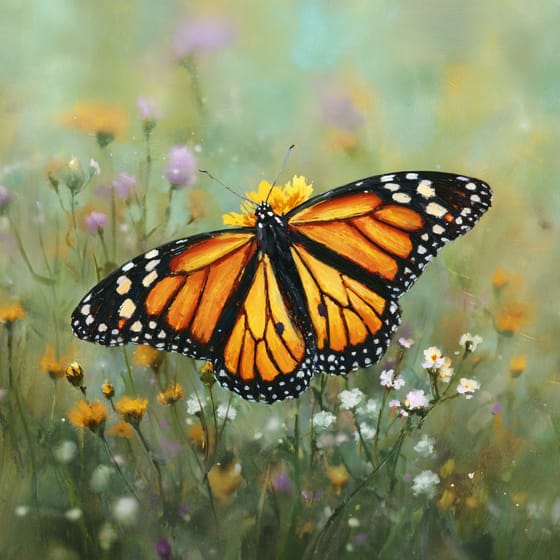
Danaus plexippus
visits flowers for nectar
Tetranychus urticae
feeds on plant sap
Plasmopara obducens
causes leaf yellowing and death
Annual plants complete their entire life cycle, from germination to seed production, within a single growing season.
Cluster flowers are inflorescences where individual flowers are arranged closely together on a common stem.
Shade tolerant plants are adapted to grow and thrive in areas with low light levels, requiring less direct sunlight.
Summer blooming plants produce their flowers during the summer season, often providing vibrant color when many other plants have finished.

Everblooming plants produce flowers continuously or in repeated flushes over a long period.

Colorful describes organisms or objects displaying a wide range of bright and distinct colors.

This habitat trait indicates species that can coexist with humans in urban and suburban environments, utilizing man-made structures and green spaces.
Danger
1/5 · Very low
Explore with care and ask an adult if you’re unsure what to do.
20-60 cm
20-40 cm
2-5 cm
Spring to first frost
No
Mild
Annual
Insect
Zoom in to split clusters and explore where this object has been snapped.
Recent snaps will appear here as new observations are added.