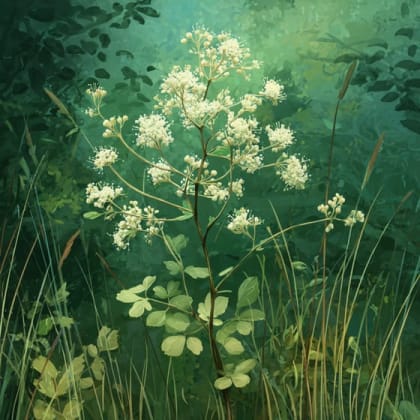

Gooseberry Bush
Ribes uva-crispa
Gooseberry Bush is a prickly bush that produces green or purple berries. They can be sweet or tart, making them a fun treat!
Habitat: Gooseberry bushes like sunny areas and are often planted in home gardens.
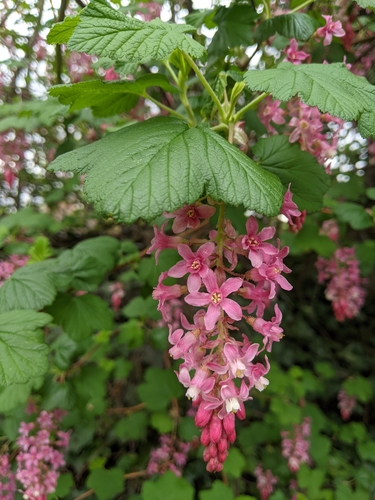
The Gooseberry Bush is a medium-sized shrub with spiky stems and distinctively lobed, green leaves. Its small, unassuming greenish-white or reddish flowers give way to round or oval berries, which can be green, yellow, red, or purple, often covered in fine hairs.
Category
PlantsRarity
Common
Danger
1/5 · Very low
Snaps
Be the first to snap!
Ancient Romans and Greeks enjoyed gooseberries, using them in medicines and food.
Gooseberries come in many colors, from emerald green to deep royal purple.
Some gooseberry varieties are so tart they'll make your mouth pucker!
They contain more Vitamin C than oranges, making them super healthy!
Gooseberry Bush has sharp thorns that protect its branches and ripening fruit from hungry animals.
Gooseberry Bush produces delicious, colorful berries that attract birds and other animals to disperse its seeds.
Gooseberry Bush can often self-pollinate, ensuring it can produce fruit even when insect helpers are scarce.
Apis mellifera
Buzzing bees help spread pollen between flowers.
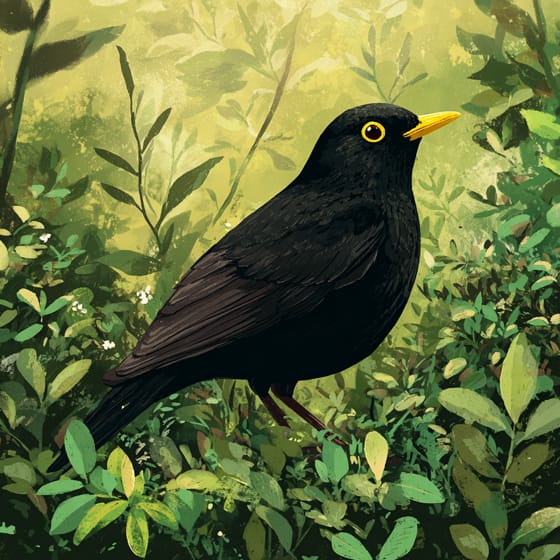
Turdus merula
Birds eat ripe berries, helping to disperse seeds.
Sciurus carolinensis
Squirrels feast on berries and sometimes leaves.
Malacosoma neustria
Its caterpillars munch on gooseberry leaves.
Deciduous plants periodically shed all their leaves, typically during autumn or dry seasons.
A shrub is a woody plant smaller than a tree, typically with multiple stems branching from or near the ground.
Fruit-bearing plants produce fruits, which are the mature ovaries of flowering plants containing seeds.
Pertaining to plants that have stems covered with sharp, pointed projections for defense.

A fruit tree is a perennial tree that produces fruit, which is edible to humans or animals.

Edible plants are those parts of a plant that are considered safe for human consumption.

Forest habitats are terrestrial environments dominated by dense tree cover, supporting a high diversity of plant and animal life.
Danger
1/5 · Very low
Explore with care and ask an adult if you’re unsure what to do.
100-150 cm
100-150 cm
0.5-1 cm
Spring
Yes
None
Perennial
Insect
Zoom in to split clusters and explore where this object has been snapped.
Recent snaps will appear here as new observations are added.




.jpg)