

- snap memory
- memory game
- matching game for kids
- nature cards
- family games
A Classic Memory Game with Nature Cards for Kids
Snap Memory puts animals, plants and birds into the classic matching game. How to pick a first round, play as a family, and take one card idea outside.
Remember sitting on the carpet, flipping cards and trying to find the pair before your sibling did? We loved that game, and so do our kids. So we made a memory game with nature cards: the same classic matching fun, but every card is an animal, plant, bird or bug worth talking about. It's called Snap Memory, and it's part of the Snappit family of apps.
One thing to know before you search: on Google Play, Snap Memory is listed as Snap Match: Matching Game. Same game, different store name.
Why nature cards make the classic memory game better
The rules are as simple as ever: flip two cards, remember where things were, find the pairs. But nature pictures give you something to talk about once the pair is found. "Look at that beak!" "Why does a butterfly have patterns on its wings?" A match becomes a mini question instead of just a point.
The idea grew out of the animal flash cards our kids adored. We wanted the picture and the word to live together, so in Snap Memory each matched pair reveals the object's name, read aloud with text-to-speech. That's a lovely pause point: repeat the word together, ask what your kid noticed, or just keep the game rolling.
Your kid gets the fun of recognizing a fox on a card; spotting a real one on a walk is a different adventure, and that's where Snappit's main app comes in.
Not every kid wants to start with flowers. Browse Explore categories together and let the dinosaur fan pick dinosaurs. Siblings can take turns choosing the next theme.
Picking the right board size for your child

Begin with a favorite category and the smallest board. Explain the goal before anyone worries about speed: watch the cards, remember where they were, find a pair. If your kid loses track, play one turn together out loud.
Snap Memory has five difficulty levels, from a cozy 3×3 layout up to an 8×8 expert board with 32 pairs. Bigger boards simply mean more spots to remember, so let your child's mood guide you, not their age. Some days they'll want the giant board; some days the small one is perfect.
| What you notice | Try this | Chat about |
|---|---|---|
| Still learning the rules | Smallest board, one category | What happens in a single turn |
| Pictures look too alike | Switch to a more familiar theme | One difference between two cards |
| The round drags on | Fewer pairs, a break between games | Whether they want another round |
| They're craving a challenge | Bump up one level | How they remember where cards are |
Ask your kid how they remember. One might say, "The bird was next to the flower." Another might count rows. Letting them explain their strategy is half the fun, and it's never about who has the "best" memory.
Playing together: family turns that work for everyone

Snap Memory has local pass-and-play for two to four players on one device. Set it where everyone can see, agree who goes first, and give each player time to choose.
Mixed ages don't have to play on equal terms. Grown-ups can help when asked, cheer every pair, and resist whispering "it's in the corner!" during someone else's turn. Even when the game keeps score, you can talk about the round as a team afterward.
Our own kid started sounding out the written names mid-game, which we loved. In your house, an adult might read the name aloud, a confident reader might go first, or everyone might just enjoy the picture. Keep reading optional so a matching game never turns into a surprise spelling test.
Stop at a natural break. A finished small board is a satisfying place to end, with no streaks to chase.
Take one card idea outside

Pick one theme from the game for a short walk: birds, leaves or flowers work beautifully. The mission can be tiny, like spotting one shape or color, not finding the exact bird from the card. Stay on the path, watch animals from a distance and leave plants growing.
Want to put a name to what you found? Snap it with Snappit, and your kid's real-world find becomes a collectible card with kid-friendly facts. Back home, compare it with the bird identification guide, or use nature traits to ask about body shapes, habitats and behavior. Kids love noticing how an illustration, a photo and a live bird all look a little different.
Birds to compare after a nature-card game
Explore the field guide →











Browse these birds for ideas, then pick one feature to hunt for, like a long bill or a rounded tail. Nobody has to name every bird correctly.
Parks for a short family observation walk
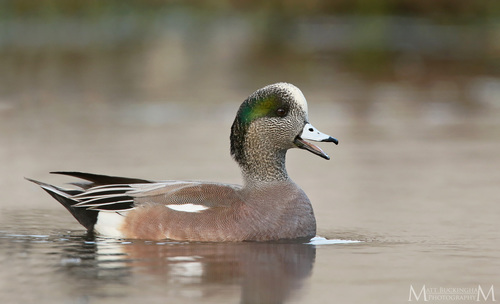
Washington, US
Evergreen Rotary Park
You might spot American Wigeon and Common Goldeneye.
View guide →

California, US
Cabrillo Heights Park
You might spot American Crow and Yellow-Rumped Warbler.
View guide →
Use these as starting points, then check each park's own hours and access info. For a bit more structure, our park scavenger hunt guide turns a handful of observations into an easy game.
Snap Memory features and setup

Snap Memory has 1,500+ illustrations across 17 categories, five difficulty levels and pass-and-play for two to four players. As of October 11, 2026, the Google Play listing describes an ad-free game with 600+ free illustrations, optional expansion packs, spoken names and offline matching play. Check the current listing for local prices.
Our favorite feature for little ones: parents can add their own photos through the parent dashboard. Imagine a board full of grandma, the family dog and the tomatoes from your garden. It's a separate upload, so photos from your Snappit collection don't move across on their own; pick your favorites and add them.
See the Snap Memory app page for the full feature summary, and read the Snappit origin story to learn how it all started. If your kid prefers questions to pairs, try Snap Quiz.
Frequently Asked Questions
Is Snap Memory the same download as Snap Match?
Yes. The website calls it Snap Memory, and the Google Play listing calls it Snap Match: Matching Game. The Android package is app.snappit.snapmemory, and the link on the Snap Memory app page takes you straight there.
Can several children play together?
Yes, Snap Memory supports local multiplayer for two to four players on one device. Pick a comfortable board size and agree on turns before you start.
Does matching a card identify an animal outdoors?
No, the cards are for play and word learning. To identify a real animal on a walk, snap it with the main Snappit app and compare what you see with a field guide.
Can I use my own photos?
Yes, the store listing describes custom photo cards added through the parent dashboard. Upload the photos you want; they aren't pulled in automatically from other Snappit apps.
Related Reading
- Visit the Snap Memory app page for the full product summary.
- Browse categories and nature traits to pick a theme.
- Read Snappit's origin story.
- Explore Snap Quiz and its nature questions.
- Download the Android game from Google Play.