






Alope Sphinx
erinnyis alope
The Alope Sphinx is a fascinating moth that looks like a tiny hummingbird! With its colorful wings, it flits around flowers, sipping nectar and spreading joy.
Lebensraum: Alope Sphinx moths are commonly found in gardens, fields, and areas with plenty of flowering plants.
The Alope Sphinx is a large, robust moth with grayish-brown forewings often marked by a pale diagonal stripe. Its stunning hindwings are bright orange or reddish-orange, dramatically revealed in flight. Its sturdy body tapers to a point.
Kategorie
InsektenSeltenheit
Common
Gefahr
0/5 · Keine bekannte Gefahr
Snaps
Mach den ersten Snap!
Its caterpillar is called 'papaya hornworm' due to its love for papaya leaves!
Many people mistake these lightning-fast moths for hummingbirds darting among flowers.
They find flowers in pitch darkness, relying on their amazing sense of smell!
When disturbed, its caterpillar retracts its head, making it look like a tiny snake!
Alope Sphinx can hover perfectly still while feeding, like a hummingbird, thanks to its powerful wings.
Alope Sphinx has an extra-long, coiled proboscis that helps it reach nectar deep inside tubular flowers.
The caterpillar can change its body color to blend in with its surroundings, protecting it from predators.
Alope Sphinx can flash its bright orange hindwings to startle predators when it feels threatened.
Adults drink flower nectar; caterpillars feast on plant leaves.
Altersunterschiede: Larvae eat leaves, while adult moths feed only on nectar.

Carica papaya
Its caterpillars munch on the leaves.
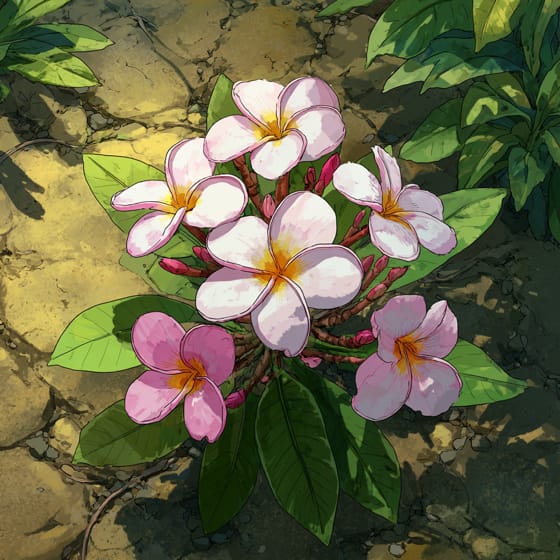
Plumeria rubra
Its caterpillars often feed on the leaves.
Tadarida brasiliensis
These bats hunt moths in flight at night.
.jpg&width=800)
Tyrannus tyrannus
This bird catches flying insects, including moths.
Mirabilis jalapa
Adults visit these flowers for nectar.
Soziale Tiere leben in organisierten Gruppen und kooperieren, um ihr Überleben zu sichern, beispielsweise bei der Nahrungssuche, Verteidigung und Aufzucht der Jungen.
Farbenfroh beschreibt Organismen oder Objekte, die eine große Vielfalt an leuchtenden und deutlich erkennbaren Farben aufweisen.
Dieses Merkmal kennzeichnet Lebewesen, deren Ernährung vollständig oder hauptsächlich aus pflanzlichem Material besteht.
Dieses Merkmal kennzeichnet Organismen, deren Ernährung vollständig oder hauptsächlich aus tierischem Gewebe besteht.

Nachtaktive Tiere sind hauptsächlich in den Nachtstunden aktiv und ruhen oder schlafen normalerweise tagsüber.

Beschreibt Organismen, die Pollen übertragen und so die Befruchtung und Fortpflanzung von Pflanzen ermöglichen.
Gefahr
0/5 · Keine bekannte Gefahr
Noch keine besonderen Sicherheitshinweise.
70-100 mm
30-50 mm
10-20 Tage
40 km/h
Adults drink flower nectar; caterpillars feast on plant leaves.
Alope Sphinx moths are commonly found in gardens, fields, and areas with plenty of flowering plants.
Foraging
6
Zoome hinein, um Cluster aufzulösen und zu sehen, wo dieses Objekt fotografiert wurde.
Neueste Snaps erscheinen hier, wenn neue Beobachtungen hinzukommen.




.jpg&width=800)



.jpg&width=800)





