.jpg&width=800)





Evergreen Bagworm Moth
Thyridopteryx ephemeraeformis
The Evergreen Bagworm Moth is a small moth that makes a cozy bag out of leaves and silk. It hangs on trees and looks like a little piece of nature, helping it stay safe from predators.
Lebensraum: Forests
The Evergreen Bagworm Moth is known for the portable, spindle-shaped bag its larva builds from silk and plant bits, camouflaged with twigs and leaves. Adult males are small, dark brown, fuzzy-bodied moths with clear wings. Females are wingless and maggot-like, staying hidden inside the bag.
Kategorie
InsektenSeltenheit
Common
Gefahr
1/5 · Sehr gering
Snaps
Mach den ersten Snap!
Adult male bagworm moths live only a day or two, solely to find a mate!
If disturbed, a bagworm larva will quickly seal the opening of its bag for safety!
The female moth never leaves her bag, not even to lay her hundreds of eggs!
They can eat so many leaves and needles they sometimes harm evergreen trees.
Evergreen Bagworm Moth larvae can weave intricate bags from silk and plant materials that help them hide from predators.
Evergreen Bagworm Moth can attach bits of leaves and twigs to its silk bag, making it blend perfectly into its surroundings.
Evergreen Bagworm Moth larvae build a mobile shelter that they carry everywhere, providing constant protection as they feed.
Larvae munch on leaves and needles from many trees, especially evergreens.
Altersunterschiede: Adult moths do not feed, while larvae are voracious eaters of plant material.

Juniperus virginiana
Larvae consume needles of this conifer.
Thuja occidentalis
A common food source for bagworm larvae.
Pinus strobus
Bagworms feed on the needles, potentially causing damage.
Passer domesticus
Birds sometimes pick larvae from their bags.
Einzelgänger leben den größten Teil ihres Lebens allein und interagieren mit Artgenossen nur zur Paarung oder zur Aufzucht der Jungen.
Dieses Merkmal kennzeichnet Organismen, die kunstvolle Seidennetze bauen, um Beute zu fangen, Schutz zu finden oder sich fortzupflanzen.
Getarnt beschreibt Organismen, die über eine Färbung oder Musterung verfügen, durch die sie mit ihrer Umgebung verschmelzen.
Dieses Merkmal kennzeichnet Lebewesen, deren Ernährung vollständig oder hauptsächlich aus pflanzlichem Material besteht.

Waldlebensräume sind terrestrische Lebensräume, die von dichtem Baumbestand dominiert werden und eine große Vielfalt an Pflanzen- und Tierarten beherbergen.

Bezieht sich auf Arten, die deutlich kleiner sind als der Durchschnitt oder das Typische ihrer Art.

Nachtaktive Tiere sind hauptsächlich in den Nachtstunden aktiv und ruhen oder schlafen normalerweise tagsüber.

Der Status 'Stark gefährdet' bedeutet, dass eine Art in naher Zukunft einem sehr hohen Risiko ausgesetzt ist, in freier Wildbahn auszusterben.
Noch keine Alternativnamen vorhanden.
Gefahr
1/5 · Sehr gering
Don't touch moths or their bags, as they can be delicate and need to stay safe.
20-25 mm
38-50 mm
300-365 Tage
Larvae munch on leaves and needles from many trees, especially evergreens.
Forests
Foraging
6
Zoome hinein, um Cluster aufzulösen und zu sehen, wo dieses Objekt fotografiert wurde.
Neueste Snaps erscheinen hier, wenn neue Beobachtungen hinzukommen.

Maryland, US
Hier kann man sehen Bufflehead, Common Goldeneye und Ente.
Führer anzeigen →
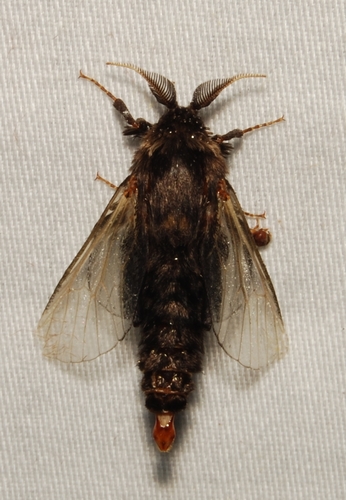
Virginia, US
Hier kann man sehen Evergreen Bagworm Moth, Wild Indigos und Silberahorn.
Führer anzeigen →