






Amur honeysuckle
Lonicera maackii
The Amur honeysuckle is a sweet-smelling shrub that grows tall and has beautiful flowers. It attracts butterflies and hummingbirds, making gardens lively and colorful!
Lebensraum: Urban areas
The Amur honeysuckle is a large, multi-stemmed shrub with arching branches. It has oval-shaped, opposite leaves, small white or yellowish tubular flowers, and abundant bright red berries that persist into winter. Its distinctive dense form often dominates the landscape.
Kategorie
PflanzenSeltenheit
Common
Gefahr
1/5 · Sehr gering
Snaps
Mach den ersten Snap!
If you cut an Amur honeysuckle stem, you might see a cool star shape inside where the pith once was!
Its bright red berries can last on the branches throughout winter, feeding birds when other food is scarce.
Older Amur honeysuckle stems are hollow inside, making them perfect tiny homes for small insects!
This plant was intentionally brought to America as a pretty garden shrub, but it secretly took over!
Amur honeysuckle can grow leaves extra early in spring and keep them late into fall, letting it soak up more sun.
It produces tons of bright red berries that birds love, helping the plant spread its seeds far and wide to new places.
Amur honeysuckle releases special chemicals into the ground that make it harder for other plants to grow nearby.
Apis mellifera
Its flowers provide nectar for bees.
Turdus migratorius
Its berries are a food source for robins.

Peromyscus leucopus
Its dense thickets offer cover for small mammals.
Aromatische Pflanzen produzieren und verströmen duftende flüchtige organische Verbindungen, oft zur Abwehr oder um Bestäuber anzulocken.
Blütenpflanzen sind alle Pflanzen, die als Teil ihres Fortpflanzungszyklus Blüten bilden.
Laubabwerfende Pflanzen werfen regelmäßig all ihre Blätter ab, typischerweise im Herbst oder in Trockenzeiten.
Ein Strauch ist eine verholzende Pflanze, die kleiner als ein Baum ist und typischerweise mehrere Stämme hat, die sich ab oder nahe dem Boden verzweigen.

Duftende Blüten verströmen ein angenehmes Aroma, oft um Bestäuber anzulocken oder zur Abwehr.

Fruchttragende Pflanzen produzieren Früchte, also die reifen Fruchtknoten von Blütenpflanzen, die Samen enthalten.

Beschreibt Pflanzen, die für eine Vielzahl von bestäubenden Organismen besonders attraktiv und nützlich sind.

Schnellwachsende Pflanzen weisen eine beschleunigte Wachstumsrate auf und nehmen innerhalb kurzer Zeit schnell an Größe und Biomasse zu.

Dieses Lebensraummerkmal weist auf Arten hin, die in städtischen und vorstädtischen Umgebungen mit Menschen zusammenleben können und von Menschen geschaffene Strukturen sowie Grünflächen nutzen.

Invasive Arten sind gebietsfremde Organismen, die der Umwelt, der Wirtschaft oder der menschlichen Gesundheit schaden.
Noch keine Alternativnamen vorhanden.
Gefahr
1/5 · Sehr gering
Do not eat the berries without asking an adult first, as some plants can be harmful.
300-500 cm
200-400 cm
1-2 cm
Late spring to early summer
Nein
Leicht
Mehrjährig
Insekten
Zoome hinein, um Cluster aufzulösen und zu sehen, wo dieses Objekt fotografiert wurde.
Neueste Snaps erscheinen hier, wenn neue Beobachtungen hinzukommen.
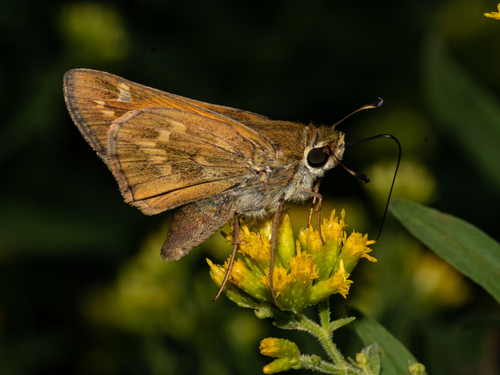
New Jersey, US
Hier kann man sehen Huron Skipper, Kanadareiher und Wanderdrossel.
Führer anzeigen →
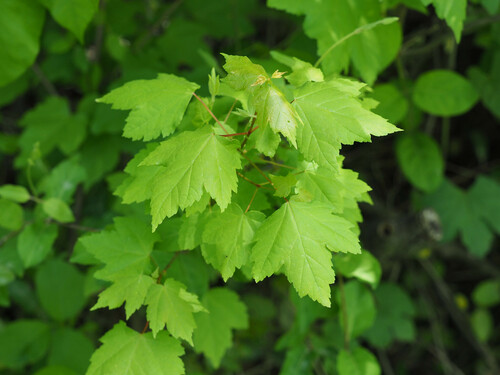
Virginia, US
Hier kann man sehen Rot-Ahorn, Spotted Lanternfly und Rotkardinal.
Führer anzeigen →

Virginia, US
Hier kann man sehen Weißwedelhirsch, Haussperling und östliches Grauhörnchen.
Führer anzeigen →

Ohio, US
Hier kann man sehen Wanderdrossel, Weißwedelhirsch und Wanderfalke.
Führer anzeigen →
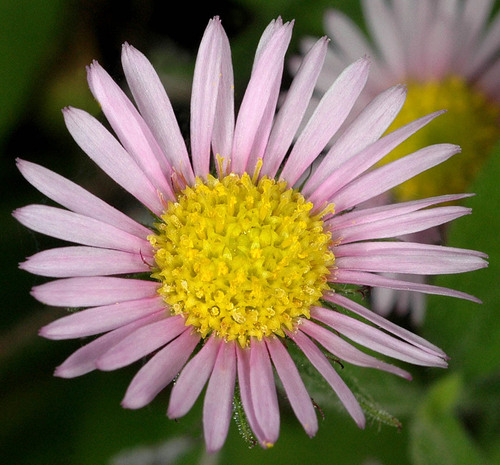
Pennsylvania, US
Hier kann man sehen Fleabanes and Horseweeds und Honey Locust.
Führer anzeigen →
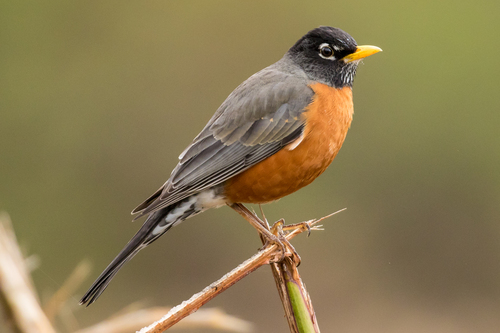
Virginia, US
Hier kann man sehen Wanderdrossel, Rotkardinal und Haussperling.
Führer anzeigen →














