

Black Tupelo
Nyssa sylvatica
The Black Tupelo is a beautiful tree that grows tall and has shiny green leaves. In the fall, its leaves turn bright red and orange, making it look like it's wearing a colorful coat!
Lebensraum: Forests
The Black Tupelo is a stately tree with deeply furrowed, dark gray bark that resembles alligator skin on older trees. Its oval leaves turn spectacular shades of fiery red, orange, and purple in autumn, contrasting with its small, blue-black, berry-like fruits.
Kategorie
PflanzenSeltenheit
Common
Gefahr
1/5 · Sehr gering
Snaps
Mach den ersten Snap!
Bees love its flowers so much they make a delicious, spicy honey from its nectar!
Its wood is super tough because the grains twist and interlock, making it really hard to split!
Old Black Tupelo trees can grow to be over 100 feet tall, reaching for the sky!
Sometimes it's called the 'Sour Gum' tree because its tart, dark blue fruits look like berries!
Black Tupelo can thrive in soggy soils and even standing water, letting it grow where many other trees cannot survive.
Its leaves turn brilliant shades of red, orange, and purple in autumn, creating one of nature's most stunning displays.
Black Tupelo has tiny flowers that produce lots of nectar, attracting busy bees and other helpful pollinating insects.
Apis mellifera
Collects nectar for honey
Turdus migratorius
Feasts on its dark blue fruits
Procyon lotor
Enjoys the ripe, tart fruit
Sciurus carolinensis
Finds homes in its sturdy branches
Laubabwerfende Pflanzen werfen regelmäßig all ihre Blätter ab, typischerweise im Herbst oder in Trockenzeiten.
Fruchttragende Pflanzen produzieren Früchte, also die reifen Fruchtknoten von Blütenpflanzen, die Samen enthalten.
Laubbäume sind Bedecktsamer, die sich durch flache, breite Blätter auszeichnen, welche in gemäßigten Klimazonen typischerweise jährlich abgeworfen werden.
Ein Obstbaum ist ein mehrjähriger Baum, der Früchte trägt, die für Menschen oder Tiere essbar sind.

Farbenfroh beschreibt Organismen oder Objekte, die eine große Vielfalt an leuchtenden und deutlich erkennbaren Farben aufweisen.

Herbstfärbung bezeichnet den jahreszeitlichen Wechsel der Blattpigmentierung, der vor allem bei Laubpflanzen leuchtende Farbtöne hervorbringt.

Nutzholz bezeichnet Holz, das für die Verwendung im Bauwesen und in der Zimmerei aufbereitet wurde.

Dieses Merkmal kennzeichnet Organismen mit einer außergewöhnlich langen Lebensspanne im Vergleich zu anderen ihrer Art.

Waldlebensräume sind terrestrische Lebensräume, die von dichtem Baumbestand dominiert werden und eine große Vielfalt an Pflanzen- und Tierarten beherbergen.
Noch keine Alternativnamen vorhanden.
Gefahr
1/5 · Sehr gering
Be careful not to climb too high in trees, and always ask an adult for help.
1500-3000 cm
900-1500 cm
0.3-0.8 cm
Late spring to early summer
Ja
Keine
Mehrjährig
Insekten
Zoome hinein, um Cluster aufzulösen und zu sehen, wo dieses Objekt fotografiert wurde.
Neueste Snaps erscheinen hier, wenn neue Beobachtungen hinzukommen.
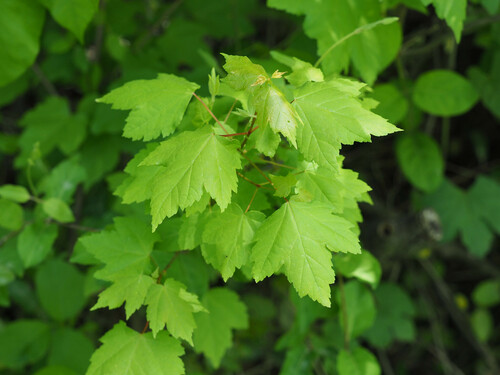
New York, US
Hier kann man sehen Rot-Ahorn, Black Tupelo und Sensitive Fern.
Führer anzeigen →
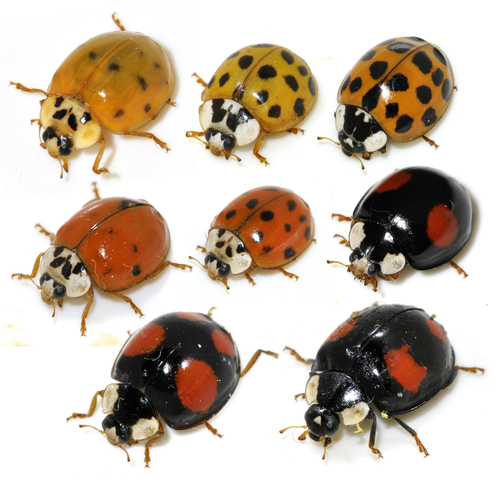
Virginia, US
Hier kann man sehen Asiatischer Marienkäfer, Monarch und Oriental Bittersweet.
Führer anzeigen →
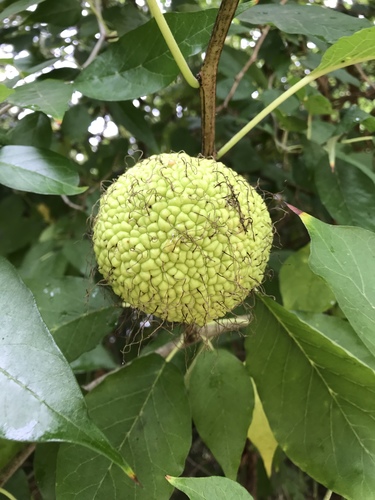
Virginia, US
Hier kann man sehen Osage-Orange, Willow Oak und Japanischer Blumenhartriegel.
Führer anzeigen →
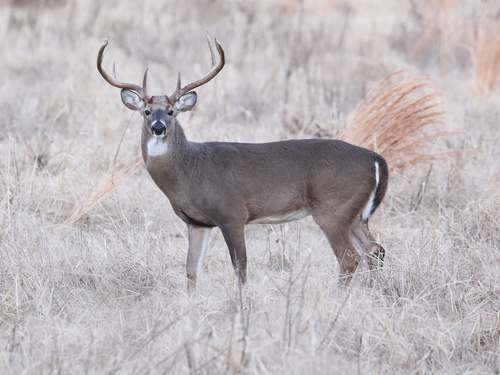
Maryland, US
Hier kann man sehen Weißwedelhirsch, Oriental Bittersweet und Multiflora Rose.
Führer anzeigen →

Maryland, US
Hier kann man sehen Large Whorled Pogonia und Pink Lady's Slipper.
Führer anzeigen →

District of Columbia, US
Hier kann man sehen östliches Grauhörnchen, Haussperling und Wanderdrossel.
Führer anzeigen →