






Blue-fronted Dancer
Argia apicalis
The Blue-fronted Dancer is a beautiful dragonfly with bright blue colors. It loves to flutter around near water, showing off its lovely wings as it dances in the air.
Lebensraum: Wetlands
The Blue-fronted Dancer is a slender damselfly, predominantly black with striking bright blue markings on its head and the front of its thorax. Its wings are clear and transparent, and it has large, widely spaced eyes, characteristic of damselflies.
Kategorie
InsektenSeltenheit
Common
Gefahr
1/5 · Sehr gering
Snaps
Mach den ersten Snap!
Damselflies fold their wings back over their body when resting, unlike dragonflies!
The males often "dance" over water to find a mate, inspiring their name!
Their babies live underwater for months, breathing through gills in their tails!
They spend most of their life as aquatic hunters before growing wings!
Blue-fronted Dancer can dart and hover effortlessly because of its two pairs of independently moving wings, helping them catch tiny insects mid-air.
Blue-fronted Dancer has large, compound eyes that cover most of its head, helping them spot prey and predators from many directions at once.
Blue-fronted Dancer nymphs can breathe underwater using special gills at their tail end, helping them survive and hunt beneath the surface.
Tiny flying insects are their favorite snack, caught with lightning speed in the air!
Altersunterschiede: Nymphs hunt aquatic insects and larvae underwater, while adults hunt flying insects in the air.
Culex pipiens
helps control mosquito populations
Chironomus plumosus
eats these tiny flying insects
Lithobates catesbeianus
frogs prey on adult damselflies
Perca flavescens
fish eat their aquatic young
Einzelgänger leben den größten Teil ihres Lebens allein und interagieren mit Artgenossen nur zur Paarung oder zur Aufzucht der Jungen.
Luftbewohnende Tiere verbringen einen erheblichen Teil ihres Lebens in der Luft und nutzen den Flug für verschiedene Aktivitäten wie Jagd, Wanderungen oder Nestbau.
Farbenfroh beschreibt Organismen oder Objekte, die eine große Vielfalt an leuchtenden und deutlich erkennbaren Farben aufweisen.
Dieses Merkmal kennzeichnet Organismen, deren Nahrung hauptsächlich aus Insekten und anderen kleinen Wirbellosen besteht.

Dieses Lebensraummerkmal kennzeichnet Arten, die in Feuchtgebieten vorkommen. Dies sind Landflächen, die dauerhaft oder saisonal mit Wasser gesättigt sind, darunter Marschland, Sümpfe und Moore.

Dieses Merkmal kennzeichnet Lebewesen, die bei der Jagd, Flucht oder Fortbewegung eine außergewöhnliche Schnelligkeit aufweisen.

Tagaktive Tiere sind hauptsächlich bei Tageslicht aktiv und ruhen oder schlafen in der Regel nachts.

Beschreibt Organismen, die Pollen übertragen und so die Befruchtung und Fortpflanzung von Pflanzen ermöglichen.
Noch keine Alternativnamen vorhanden.
Gefahr
1/5 · Sehr gering
Be careful around water where dragonflies live, and watch them from a distance.
30-50 mm
30-38 mm
30-90 Tage
10 km/h
Tiny flying insects are their favorite snack, caught with lightning speed in the air!
Wetlands
Pursuit
6
Zoome hinein, um Cluster aufzulösen und zu sehen, wo dieses Objekt fotografiert wurde.
Neueste Snaps erscheinen hier, wenn neue Beobachtungen hinzukommen.
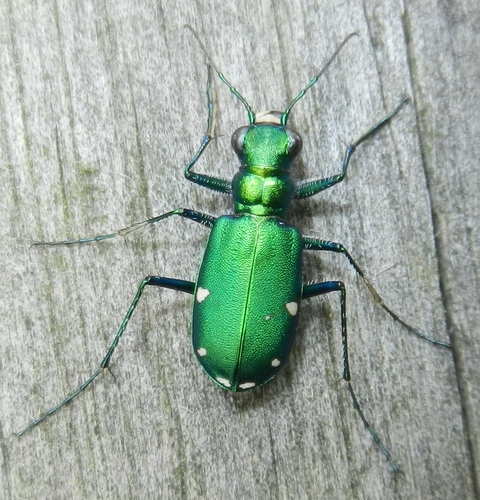
Indiana, US
Hier kann man sehen Six-Spotted Tiger Beetle, Garlic Mustard und Geier.
Führer anzeigen →
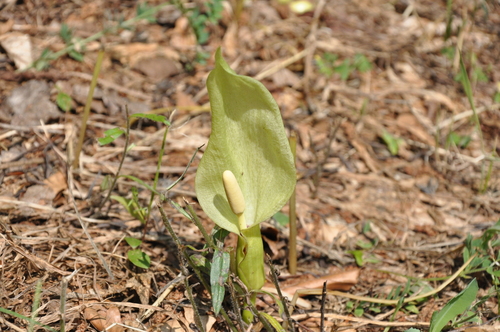
Virginia, US
Hier kann man sehen Italian Arum, Common Mugwort und Japanese Barberry.
Führer anzeigen →

Oklahoma, US
Hier kann man sehen Eastern Pondhawk, Green Treefrog und Bronzed Tiger Beetle.
Führer anzeigen →

Maryland, US
Hier kann man sehen Amerikanische Kröte, Weißwedelhirsch und Lesser Celandine.
Führer anzeigen →
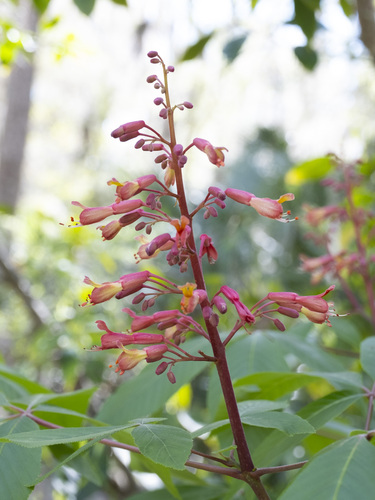
Texas, US
Hier kann man sehen Red Buckeye, American Beautyberry und Pond Slider.
Führer anzeigen →




_Orthosia_cerasi_-_caterpillar-_Jardin_Botanique_Henri_GAUSSEN.jpg&width=800)




.jpg&width=800)

_I.jpg&width=800)


