
.jpg&width=800)





Blue-gray Gnatcatcher
Polioptila caerulea
The Blue-gray Gnatcatcher is a small, lively bird with a beautiful blue-gray color. They love to flit around trees and bushes, searching for tiny insects to eat.
Lebensraum: Forests
The Blue-gray Gnatcatcher is a tiny, delicate bird with a slender build and a long tail. It has slate-blue-gray upperparts, white underparts, and a distinctive white eye-ring. Males in breeding season develop a thin black line above the eye.
Kategorie
VögelSeltenheit
Common
Gefahr
1/5 · Sehr gering
Snaps
Mach den ersten Snap!
Baby gnatcatchers grow so fast they leave their cozy nest in just two weeks!
During winter, hundreds of gnatcatchers might flock together for safety.
Sometimes, a tiny gnatcatcher will bravely chase much larger birds away!
Their amazing nests are often glued together with sticky spider silk!
Blue-gray Gnatcatchers can snatch tiny insects right out of the air with incredible speed, thanks to their agile flight.
Blue-gray Gnatcatchers build cup-shaped nests adorned with lichen, helping them blend perfectly into tree branches.
Blue-gray Gnatcatchers constantly flick their long tail, which may help them flush out hidden insects from leaves.
These tiny birds mostly feast on small insects and spiders, expertly plucking them from leaves or catching them mid-flight.

Accipiter striatus
Hunts gnatcatchers in dense forest and shrubbery.

Pantherophis obsoletus
Climbs trees to raid gnatcatcher nests for eggs and young.
Malacosoma americanum
Gnatcatchers feed on these common tree pests.
Araneus diadematus
Gnatcatchers use spider silk to glue their tiny nest together.
Gefiedert beschreibt Tiere, hauptsächlich Vögel, die ein Federkleid besitzen.
Soziale Tiere leben in organisierten Gruppen und kooperieren, um ihr Überleben zu sichern, beispielsweise bei der Nahrungssuche, Verteidigung und Aufzucht der Jungen.
Singende Tiere erzeugen komplexe Lautäußerungen, oft um Partner anzulocken, ihr Revier zu verteidigen oder innerhalb ihrer Art zu kommunizieren.
Dieses Merkmal kennzeichnet Organismen, deren Nahrung hauptsächlich aus Insekten und anderen kleinen Wirbellosen besteht.

Waldlebensräume sind terrestrische Lebensräume, die von dichtem Baumbestand dominiert werden und eine große Vielfalt an Pflanzen- und Tierarten beherbergen.

Tagaktive Tiere sind hauptsächlich bei Tageslicht aktiv und ruhen oder schlafen in der Regel nachts.

Wandertiere unternehmen saisonale Wanderungen von einer Region in eine andere, meist als Reaktion auf Klimaänderungen oder Nahrungsverfügbarkeit.
Noch keine Alternativnamen vorhanden.
Gefahr
1/5 · Sehr gering
Enjoy watching birds from a distance and don't disturb their nests.
10-13 cm
15-17 cm
0.005-0.007 kg
2-4 Jahre
35 km/h
These tiny birds mostly feast on small insects and spiders, expertly plucking them from leaves or catching them mid-flight.
Forests
Foraging
Zoome hinein, um Cluster aufzulösen und zu sehen, wo dieses Objekt fotografiert wurde.
Neueste Snaps erscheinen hier, wenn neue Beobachtungen hinzukommen.
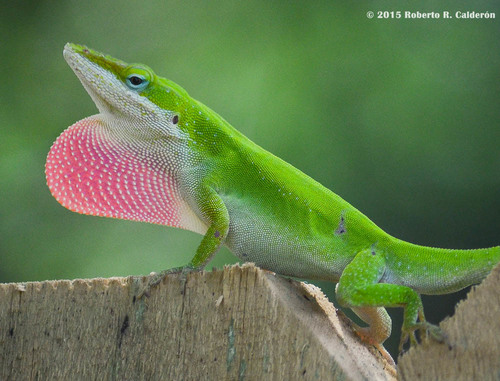
Florida, US
Hier kann man sehen Anolis, Common Gallinule und White Beggarticks.
Führer anzeigen →

Pennsylvania, US
Hier kann man sehen Nordamerikanischer Ochsenfrosch und Allegheny Monkeyflower.
Führer anzeigen →
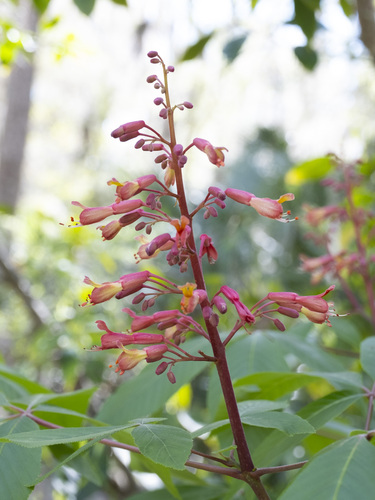
Tennessee, US
Hier kann man sehen Red Buckeye, Aniseroot und Christmas Fern.
Führer anzeigen →
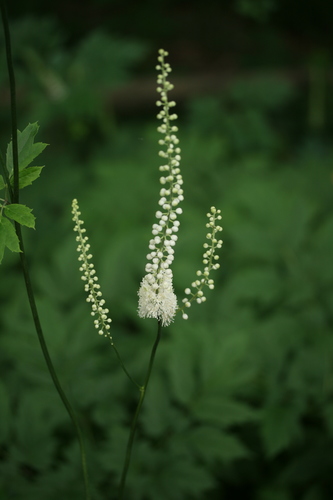
Virginia, US
Hier kann man sehen Black Cohosh, Common Coral Slime und Rue Anemone.
Führer anzeigen →






.jpg&width=800)
_couple_(32611106035).jpg&width=800)






