
.jpg&width=800)





Canada Jay
Perisoreus canadensis
The Canada Jay is a friendly bird that loves to hang out in the forests. It has soft gray feathers and a cheerful call that sounds like it's saying 'cheer-up!'
Lebensraum: Forests
The Canada Jay has soft grey plumage, a white forehead, and a distinctive black patch on its hindcrown. Its fluffy appearance and relatively short bill help it stand out from other jays. The underparts are a lighter grey, almost white.
Kategorie
VögelSeltenheit
Common
Gefahr
1/5 · Sehr gering
Snaps
Mach den ersten Snap!
Canada Jays are known to follow people silently, appearing suddenly to snatch food right from your hand!
Indigenous peoples considered the Canada Jay a friendly spirit, sometimes called a "Whiskey Jack."
These clever birds can spend hours watching animals to swoop in and steal their food finds!
They're so tough, they start nesting and laying eggs while it's still snowing!
Canada Jay can store thousands of food items using sticky saliva that helps them survive harsh, cold winters.
Canada Jay has an amazing memory that helps them recall thousands of hidden food caches for many months.
Canada Jay can fluff up its dense feathers that creates an insulating air layer to stay warm in freezing temperatures.
A versatile eater, Canada Jays feast on insects, berries, fungi, and sometimes even small animals.
Bubo virginianus
Often prey for this nocturnal forest hunter.
Microtus pennsylvanicus
Preys on small rodents when opportunities arise.
Picea mariana
Relies on these trees for nesting sites and food caches.
Bombus occidentalis
Feeds on various insects, including bees and wasps.
Gefiedert beschreibt Tiere, hauptsächlich Vögel, die ein Federkleid besitzen.
Soziale Tiere leben in organisierten Gruppen und kooperieren, um ihr Überleben zu sichern, beispielsweise bei der Nahrungssuche, Verteidigung und Aufzucht der Jungen.
Dieses Merkmal kennzeichnet Organismen, deren Ernährung sowohl pflanzliche als auch tierische Bestandteile umfasst.
Waldlebensräume sind terrestrische Lebensräume, die von dichtem Baumbestand dominiert werden und eine große Vielfalt an Pflanzen- und Tierarten beherbergen.

Tagaktive Tiere sind hauptsächlich bei Tageslicht aktiv und ruhen oder schlafen in der Regel nachts.
Gefahr
1/5 · Sehr gering
Enjoy watching birds from a distance, and don't try to touch them.
25-29 cm
35-45 cm
0.06-0.08 kg
8-12 Jahre
45 km/h
A versatile eater, Canada Jays feast on insects, berries, fungi, and sometimes even small animals.
Forests
Foraging
Zoome hinein, um Cluster aufzulösen und zu sehen, wo dieses Objekt fotografiert wurde.
Neueste Snaps erscheinen hier, wenn neue Beobachtungen hinzukommen.

Ontario, CA
Hier kann man sehen Elch, Brittlegills und Canadian Bunchberry.
Führer anzeigen →
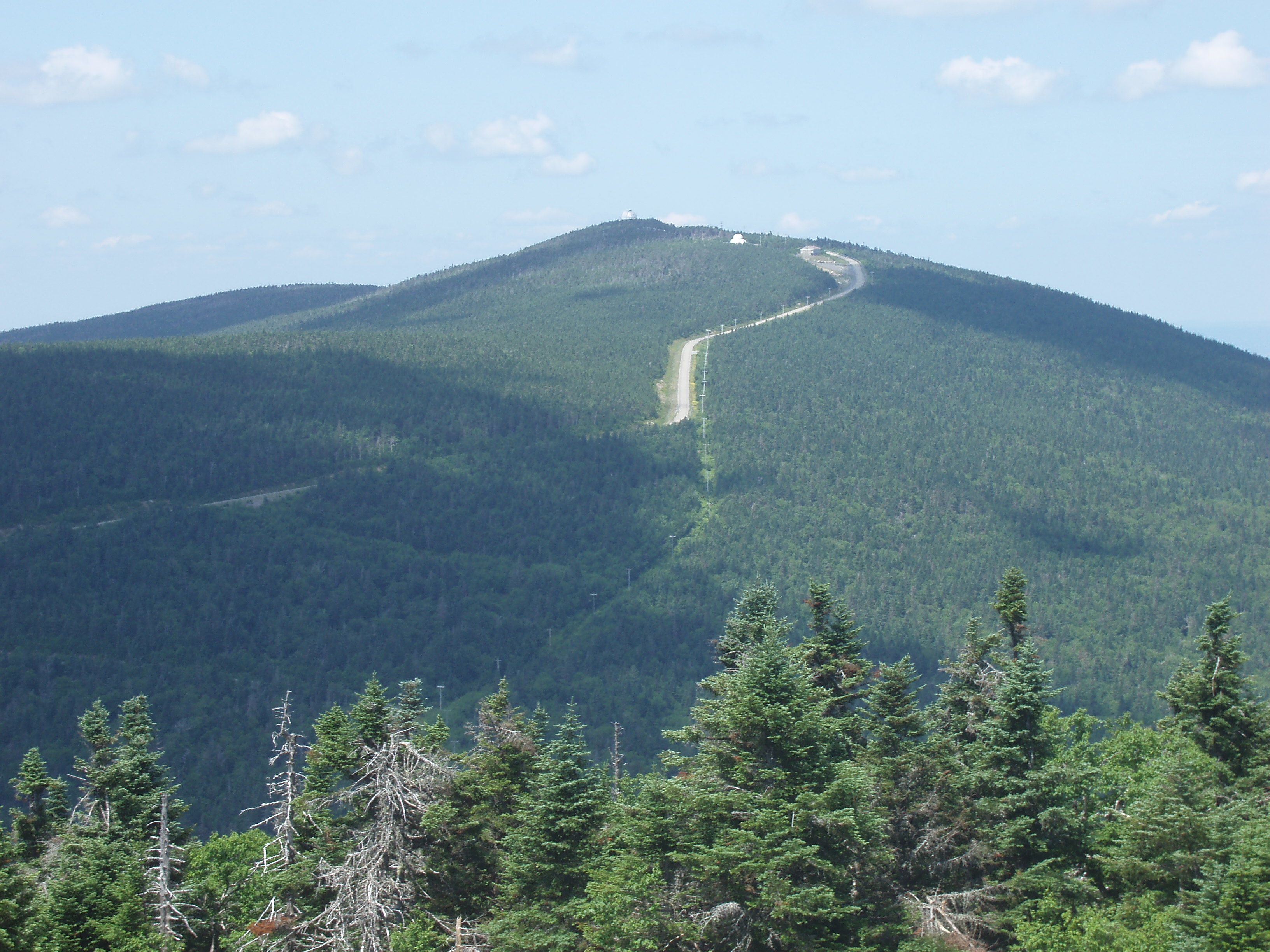
Québec, CA
Hier kann man sehen Canada Jay, Bluebead Lily und Hobblebush.
Führer anzeigen →

British Columbia, CA
Hier kann man sehen Pipsissewa, Western Rattlesnake Plantain und Salal.
Führer anzeigen →

British Columbia, CA
Hier kann man sehen Canada Jay, Pink Mountainheath und Yellow-Pine Chipmunk.
Führer anzeigen →

British Columbia, CA
Hier kann man sehen Subalpine Larch, Arrowleaf Senecio und Moss Campion.
Führer anzeigen →
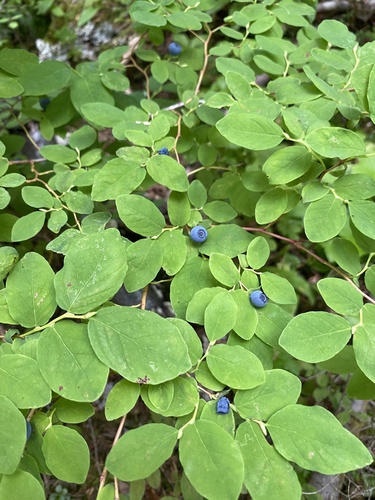
British Columbia, CA
Hier kann man sehen Oval-Leaf Blueberry und Columbia Lily.
Führer anzeigen →















