Carolina Silverbell
halesia carolina
The Carolina Silverbell is a beautiful tree known for its stunning white flowers that hang like little bells. It blooms in spring and provides a wonderful sight for everyone who loves nature!
Lebensraum: Carolina Silverbell trees thrive in moist, well-drained soils, often found in forests and near rivers.
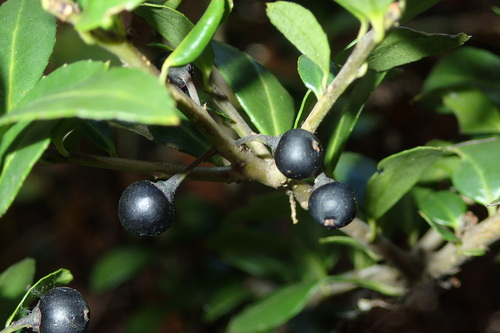
The Carolina Silverbell is a graceful tree known for its delicate white or pale pink bell-shaped flowers that hang in clusters in springtime. Its smooth, often striped gray bark and oval green leaves distinguish it. After flowering, unique four-winged fruits develop.
Kategorie
PflanzenSeltenheit
Common
Gefahr
0/5 · Keine bekannte Gefahr
Snaps
Mach den ersten Snap!
Before its leaves drop, they turn a brilliant buttery yellow in the autumn.
Its unique winged seeds look like tiny paper airplanes ready for flight!
The wood of the Carolina Silverbell is lightweight and has been used for bowls.
You can tell its age by counting rings in its trunk, like a secret tree calendar!
Carolina Silverbell has beautiful bell-shaped flowers that chime in spring, attracting early pollinators like bees.
This tree grows fascinating four-winged fruits that can glide on the wind, helping its seeds travel far.
Carolina Silverbell can thrive near water bodies, using its strong roots to anchor itself in moist soil.
Apis mellifera
Gathers nectar and pollen from its spring blooms.

Bombus impatiens
Visits flowers for nectar, aiding in reproduction.
Odocoileus virginianus
May browse on young leaves or twigs, especially seedlings.
Cyanocitta cristata
Uses the tree for nesting and perching.
Soziale Tiere leben in organisierten Gruppen und kooperieren, um ihr Überleben zu sichern, beispielsweise bei der Nahrungssuche, Verteidigung und Aufzucht der Jungen.
Baumbewohnende Tiere leben hauptsächlich in Bäumen und nutzen diese als Unterschlupf, Nahrungsquelle und zum Schutz vor Raubtieren.
Farbenfroh beschreibt Organismen oder Objekte, die eine große Vielfalt an leuchtenden und deutlich erkennbaren Farben aufweisen.
Waldlebensräume sind terrestrische Lebensräume, die von dichtem Baumbestand dominiert werden und eine große Vielfalt an Pflanzen- und Tierarten beherbergen.

Tagaktive Tiere sind hauptsächlich bei Tageslicht aktiv und ruhen oder schlafen in der Regel nachts.
Gefahr
0/5 · Keine bekannte Gefahr
Noch keine besonderen Sicherheitshinweise.
600-1500 cm
400-800 cm
1-2 cm
Spring (April-May)
Nein
Keine
Mehrjährig
Insekten
Zoome hinein, um Cluster aufzulösen und zu sehen, wo dieses Objekt fotografiert wurde.
Neueste Snaps erscheinen hier, wenn neue Beobachtungen hinzukommen.