




Catalpa Sphinx
Ceratomia catalpae
The Catalpa Sphinx is a big, beautiful caterpillar that turns into a moth. It loves to munch on catalpa tree leaves and can be spotted in gardens and parks during summer.
Lebensraum: Urban areas, Gardens
The Catalpa Sphinx is a medium to large moth, typically gray-brown with dark, wavy lines and a distinct V-shaped mark on its forewings. Its caterpillars are strikingly patterned, ranging from pale green to black, often with yellow or white stripes and a prominent black 'horn' at their rear.
Kategorie
InsektenSeltenheit
Common
Gefahr
1/5 · Sehr gering
Snaps
Mach den ersten Snap!
Catalpa Sphinx caterpillars are super picky eaters; they only eat leaves from catalpa trees!
Despite their spiky tail horn, Catalpa Sphinx caterpillars are completely harmless to touch!
The adult moths are excellent flyers, able to hover in mid-air like tiny helicopters!
These hungry caterpillars can completely strip a whole catalpa tree bare of its leaves!
Catalpa Sphinx caterpillars can rapidly munch through catalpa leaves because of their powerful jaws, helping them grow big quickly.
Adult Catalpa Sphinx moths can fly swiftly and accurately at night, using their large wings to find mates and avoid predators.
The caterpillar has a harmless, spiky "horn" on its tail that helps it look intimidating to potential predators.
Adult moths have mottled grey and brown wings that allow them to perfectly disappear against tree bark during the day.
These insects feast primarily on the leaves of catalpa trees, growing big and strong.
Altersunterschiede: Larvae (caterpillars) are voracious leaf-eaters, while adult moths rarely feed, focusing on reproduction.

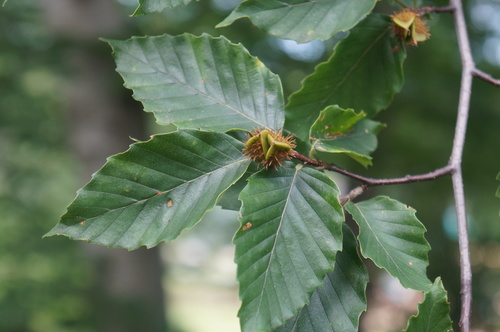
Catalpa bignonioides
Its caterpillars feed exclusively on its leaves.
Cotesia congregata
Lays eggs inside the caterpillar, eventually killing it.
Cyanocitta cristata
Blue Jays frequently prey on the slow-moving caterpillars.
Myotis lucifugus
Adult moths are a food source for bats.
Gekennzeichnet durch parallele Farbstreifen oder -linien.
Farbenfroh beschreibt Organismen oder Objekte, die eine große Vielfalt an leuchtenden und deutlich erkennbaren Farben aufweisen.
Dieses Merkmal kennzeichnet Lebewesen, deren Ernährung vollständig oder hauptsächlich aus pflanzlichem Material besteht.
Dieses Lebensraummerkmal weist auf Arten hin, die in städtischen und vorstädtischen Umgebungen mit Menschen zusammenleben können und von Menschen geschaffene Strukturen sowie Grünflächen nutzen.

Nachtaktive Tiere sind hauptsächlich in den Nachtstunden aktiv und ruhen oder schlafen normalerweise tagsüber.

Beschreibt Organismen, die Pollen übertragen und so die Befruchtung und Fortpflanzung von Pflanzen ermöglichen.
Noch keine Alternativnamen vorhanden.
Gefahr
1/5 · Sehr gering
Always look but don't touch caterpillars, as some can be sensitive.
70-110 mm
30-40 mm
7-10 Tage
30-45 km/h
These insects feast primarily on the leaves of catalpa trees, growing big and strong.
Urban areas, Gardens
Foraging
6
Zoome hinein, um Cluster aufzulösen und zu sehen, wo dieses Objekt fotografiert wurde.
Neueste Snaps erscheinen hier, wenn neue Beobachtungen hinzukommen.








_(33030160105).png&width=800)