
Chiropotes chiropotes
Chiropotes chiropotes
The bearded saki monkey is a playful and curious animal that loves to swing through the trees. With its fluffy beard and lively personality, it brings joy to the rainforest!
Lebensraum: Rainforests
The Chiropotes chiropotes has a striking black face with a dense, shaggy beard, prominent in males. Its body is covered in thick, dark fur, with a reddish-brown back and limbs, making it stand out.
Kategorie
SäugetiereSeltenheit
Common
Gefahr
2/5 · Gering
Snaps
Mach den ersten Snap!
Sometimes they rub certain plants on their fur, possibly to repel pesky insects!
Their unique 'beard' gives them their common name, becoming fuller as males age.
They spend their entire lives high in the forest canopy, rarely touching the ground!
They use their long, bushy tails for perfect balance, like a tightrope walker's pole.
Chiropotes chiropotes has incredibly strong jaws that help them crack open the toughest nuts and seeds.
Chiropotes chiropotes can leap huge distances between trees because of their powerful legs and strong grip.
Chiropotes chiropotes can make loud, bird-like calls that help them communicate across dense forest.
Primarily eats hard-shelled fruits and seeds from jungle trees.
Harpia harpyja
is a major predator, swooping down from above to catch them.
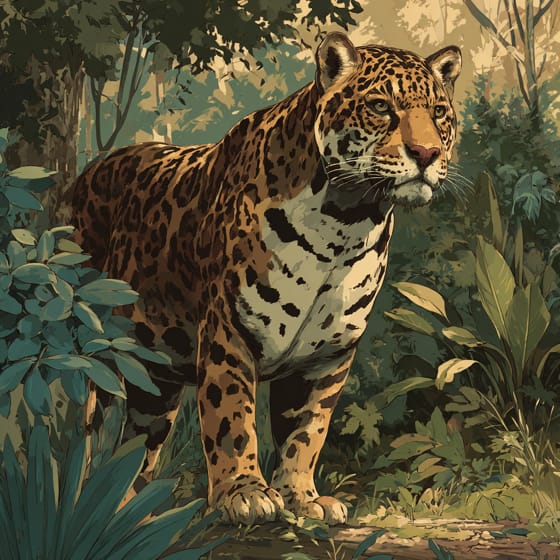
Panthera onca
can prey on them if they venture to lower branches or the ground.
Ficus insipida
eats its fruits, helping to disperse the tree's seeds throughout the forest.
Pelzig beschreibt Tiere, die eine dichte Schicht aus weichen Haaren oder Fell besitzen.
Soziale Tiere leben in organisierten Gruppen und kooperieren, um ihr Überleben zu sichern, beispielsweise bei der Nahrungssuche, Verteidigung und Aufzucht der Jungen.
Dieses Merkmal kennzeichnet Organismen, deren Ernährung sowohl pflanzliche als auch tierische Bestandteile umfasst.
Dieses Lebensraum-Merkmal bezieht sich auf Arten, die in tropischen Regenwäldern vorkommen, welche durch hohe jährliche Niederschlagsmengen, eine hohe Artenvielfalt und einen dichten Baumbestand gekennzeichnet sind.

Tagaktive Tiere sind hauptsächlich bei Tageslicht aktiv und ruhen oder schlafen in der Regel nachts.

Der Status 'Stark gefährdet' bedeutet, dass eine Art in naher Zukunft einem sehr hohen Risiko ausgesetzt ist, in freier Wildbahn auszusterben.
Gefahr
2/5 · Gering
Always observe animals from a distance and never try to touch them in the wild.
32-51 cm
1.5-3 kg
15-20 Jahre
25 km/h
Primarily eats hard-shelled fruits and seeds from jungle trees.
Rainforests
Foraging
1
Zoome hinein, um Cluster aufzulösen und zu sehen, wo dieses Objekt fotografiert wurde.
Neueste Snaps erscheinen hier, wenn neue Beobachtungen hinzukommen.