


Collared Peccary
Pecari tajacu
The Collared Peccary is a small, pig-like animal that loves to roam in groups. They have a special collar of white fur around their necks, which makes them easy to spot in the wild!
Lebensraum: Forests
The Collared Peccary is a medium-sized mammal with coarse, grayish-black hair and a distinctive lighter 'collar' of fur around its neck. It has a pig-like snout, small eyes, and sharp, downward-pointing tusks that differentiate it from true pigs.
Kategorie
SäugetiereSeltenheit
Common
Gefahr
2/5 · Gering
Snaps
Mach den ersten Snap!
Baby peccaries, called javelinas, are born with soft, reddish fur and a dark stripe.
Collared Peccaries rub scent glands to 'high-five' their friends in a special way!
Peccaries don't make oink sounds like pigs; they bark, growl, and chatter instead!
They are one of the few mammals that can eat and digest tough, spiny cacti!
Collared Peccary has a dorsal scent gland that helps them mark territory and recognize other group members.
Collared Peccary can safely eat spiny cacti because of their tough mouths and stomachs that help digest them.
Collared Peccary uses various barks, grunts, and teeth-chattering sounds to warn of danger or connect with their group.
These omnivores munch on roots, fruits, and cacti, sometimes even bugs!
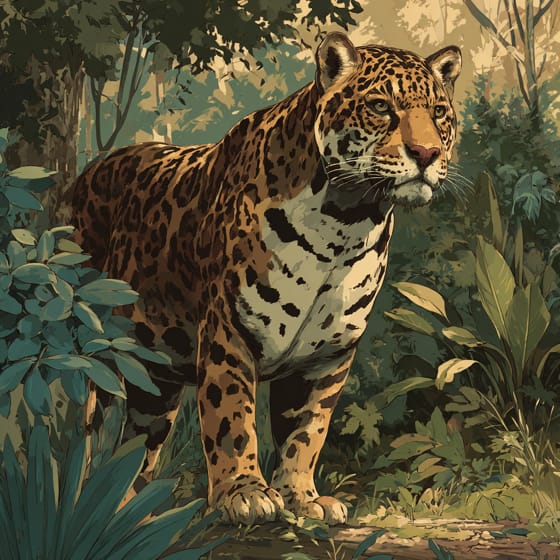
Panthera onca
A primary predator of peccaries in their jungle habitats.
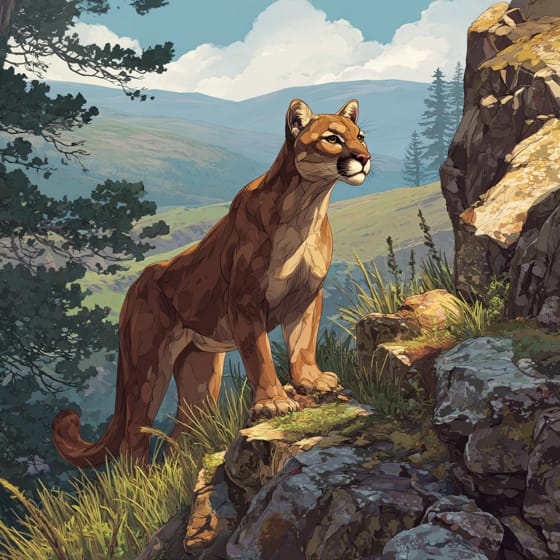
Puma concolor
Preys on peccaries across their shared range in North and South America.
Opuntia engelmannii
A common food source, especially for its pads and fruits.
Prosopis glandulosa
Eats the beans and pods from this common desert tree.
Pelzig beschreibt Tiere, die eine dichte Schicht aus weichen Haaren oder Fell besitzen.
Soziale Tiere leben in organisierten Gruppen und kooperieren, um ihr Überleben zu sichern, beispielsweise bei der Nahrungssuche, Verteidigung und Aufzucht der Jungen.
Gekennzeichnet durch lange, spitze, hervorstehende Zähne, die meist paarweise auftreten.
Dieses Merkmal kennzeichnet Lebewesen, deren Ernährung vollständig oder hauptsächlich aus pflanzlichem Material besteht.

Waldlebensräume sind terrestrische Lebensräume, die von dichtem Baumbestand dominiert werden und eine große Vielfalt an Pflanzen- und Tierarten beherbergen.

Dieses Merkmal kennzeichnet Lebewesen, die bei der Jagd, Flucht oder Fortbewegung eine außergewöhnliche Schnelligkeit aufweisen.
Gefahr
2/5 · Gering
If you see a Collared Peccary in the wild, it's best to watch from a distance and not approach them.
80-100 cm
16-27 kg
10-15 Jahre
35 km/h
These omnivores munch on roots, fruits, and cacti, sometimes even bugs!
Forests
Foraging
1-4
Zoome hinein, um Cluster aufzulösen und zu sehen, wo dieses Objekt fotografiert wurde.
Neueste Snaps erscheinen hier, wenn neue Beobachtungen hinzukommen.