straw-coloured fruit bat
Eidolon helvum
The straw-coloured fruit bat is a friendly flying mammal that loves to eat fruits! They have big ears and can be found hanging upside down in trees, making them look like little furry decorations.
Lebensraum: Forests
The straw-coloured fruit bat has yellowish-brown, sometimes golden, fur covering its body. It features large, dark eyes and a distinct dog-like face without any prominent nose-leaf, setting it apart from many other bat species.
Kategorie
SäugetiereSeltenheit
Common
Gefahr
2/5 · Gering
Snaps
Mach den ersten Snap!
Imagine living in a colony with up to a million other bats in one tree!
These bats taste fruit juice using their long, specially grooved tongues!
They help new trees grow by dropping seeds as they fly after eating fruit!
They travel thousands of miles across Africa each year, following ripening fruit!
Straw-coloured fruit bats can fly thousands of kilometers because of their strong wings that help them migrate seasonally.
Straw-coloured fruit bats have an amazing sense of smell that helps them locate ripe, juicy fruits from far away.
Straw-coloured fruit bats have large, prominent eyes that help them see very well in the dim light of dusk and night.
Straw-coloured fruit bats have a long, flexible tongue that helps them lap up nectar and fruit juices efficiently.
These bats mostly eat yummy fruits and nectar, helping plants grow as they feed!
Mangifera indica
Feeds on ripe mangoes, especially during migration.

Adansonia digitata
Helps pollinate the flowers of the iconic Baobab tree.
Ficus sycomorus
Relies on figs for food, helping disperse their seeds.
Aquila rapax
Can be prey for large birds of prey like the Tawny Eagle.
Pelzig beschreibt Tiere, die eine dichte Schicht aus weichen Haaren oder Fell besitzen.
Soziale Tiere leben in organisierten Gruppen und kooperieren, um ihr Überleben zu sichern, beispielsweise bei der Nahrungssuche, Verteidigung und Aufzucht der Jungen.
Luftbewohnende Tiere verbringen einen erheblichen Teil ihres Lebens in der Luft und nutzen den Flug für verschiedene Aktivitäten wie Jagd, Wanderungen oder Nestbau.
Dieses Merkmal kennzeichnet Lebewesen, deren Ernährung vollständig oder hauptsächlich aus pflanzlichem Material besteht.

Echoortung ist ein biologisches Sonar, das Tiere nutzen, um zu navigieren, zu jagen und zu kommunizieren, indem sie Schallwellen aussenden und die Echos interpretieren.

Waldlebensräume sind terrestrische Lebensräume, die von dichtem Baumbestand dominiert werden und eine große Vielfalt an Pflanzen- und Tierarten beherbergen.

Beschreibt eine Art, deren Anwesenheit und Rolle einen unverhältnismäßig großen Einfluss auf ihre Umwelt haben.

Nachtaktive Tiere sind hauptsächlich in den Nachtstunden aktiv und ruhen oder schlafen normalerweise tagsüber.

Beschreibt Organismen, die Pollen übertragen und so die Befruchtung und Fortpflanzung von Pflanzen ermöglichen.
Gefahr
2/5 · Gering
Don't try to touch bats in the wild; they are best enjoyed from a distance.
14-22 cm
60-97 cm
0.23-0.35 kg
15-20 Jahre
40 km/h
These bats mostly eat yummy fruits and nectar, helping plants grow as they feed!
Forests
Foraging
Zoome hinein, um Cluster aufzulösen und zu sehen, wo dieses Objekt fotografiert wurde.
Neueste Snaps erscheinen hier, wenn neue Beobachtungen hinzukommen.

Virginia, US
Hier kann man sehen Afrikanischer Löwe und Common Ostrich.
Führer anzeigen →
Texas, US
Hier kann man sehen Afrikanischer Löwe, Komodowaran und Common Ostrich.
Führer anzeigen →
Oregon, US
Hier kann man sehen Afrikanischer Löwe, Grauwolf und Tiger.
Führer anzeigen →
Oregon, US
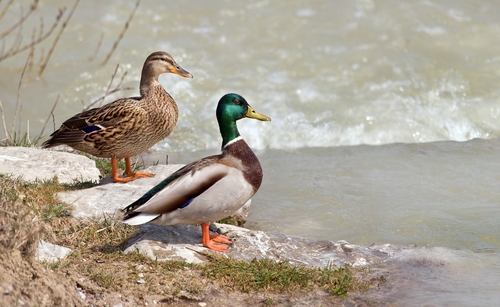
Hier kann man sehen Ente, Twinberry Honeysuckle und Kanadagans.
Führer anzeigen →