






Common Wood-Pigeon
Columba palumbus
The Common Wood-Pigeon is a big, gentle bird with a soft cooing sound. They like to sit in trees and can often be seen in parks and gardens, where they search for seeds and berries to eat.
Lebensraum: Urban areas, Forests
The Common Wood-Pigeon is a large, plump grey bird with a striking white patch on each side of its neck and a prominent white bar across its wings, especially visible in flight. Its breast often shows a rosy-pink hue, distinguishing it from other pigeons.
Kategorie
VögelSeltenheit
Common
Gefahr
1/5 · Sehr gering
Snaps
Mach den ersten Snap!
A Wood-Pigeon's wings make a loud clapping sound when it takes off, startling predators!
Their nests are often so flimsy, you can sometimes see the eggs right through the bottom!
They drink water by sucking it up like a straw, unlike most birds who tip their heads back!
Wood-Pigeons can nest up to four times a year, having lots of babies quickly!
Common Wood-Pigeons can produce 'crop milk' from their digestive system to feed their chicks, providing vital nutrients.
Common Wood-Pigeons have powerful wings that allow for rapid take-off and quick flight, helping them escape danger fast.
Common Wood-Pigeons can eat many types of seeds and then spread them through their droppings, helping plants grow in new places.
Common Wood-Pigeons have excellent hearing that helps them detect approaching predators, giving them time to flee.
These resourceful birds mostly eat yummy plant parts like seeds, berries, and fresh green leaves they find on the ground or in trees.
Altersunterschiede: Young chicks are fed 'crop milk' by their parents before transitioning to an adult diet of plant matter.

Accipiter nisus
A fast bird of prey that often targets Wood-Pigeons.
Quercus robur
Wood-Pigeons frequently feed on acorns from oak trees.

Martes foina
Martens can raid nests and prey on eggs, chicks, or even adults.
Felis catus
Domestic cats are opportunistic predators of various birds.
Gefiedert beschreibt Tiere, hauptsächlich Vögel, die ein Federkleid besitzen.
Soziale Tiere leben in organisierten Gruppen und kooperieren, um ihr Überleben zu sichern, beispielsweise bei der Nahrungssuche, Verteidigung und Aufzucht der Jungen.
Singende Tiere erzeugen komplexe Lautäußerungen, oft um Partner anzulocken, ihr Revier zu verteidigen oder innerhalb ihrer Art zu kommunizieren.
Dieses Merkmal kennzeichnet Lebewesen, deren Ernährung vollständig oder hauptsächlich aus pflanzlichem Material besteht.

Dieses Merkmal kennzeichnet Organismen mit einer außergewöhnlich langen Lebensspanne im Vergleich zu anderen ihrer Art.

Waldlebensräume sind terrestrische Lebensräume, die von dichtem Baumbestand dominiert werden und eine große Vielfalt an Pflanzen- und Tierarten beherbergen.

Dieses Merkmal kennzeichnet Lebewesen, die bei der Jagd, Flucht oder Fortbewegung eine außergewöhnliche Schnelligkeit aufweisen.

Tagaktive Tiere sind hauptsächlich bei Tageslicht aktiv und ruhen oder schlafen in der Regel nachts.

Dieses Lebensraummerkmal weist auf Arten hin, die in städtischen und vorstädtischen Umgebungen mit Menschen zusammenleben können und von Menschen geschaffene Strukturen sowie Grünflächen nutzen.
Noch keine Alternativnamen vorhanden.
Gefahr
1/5 · Sehr gering
It's best to watch birds from a distance and not to chase them.
40-45 cm
75-80 cm
0.3-0.6 kg
3-17 Jahre
90 km/h
These resourceful birds mostly eat yummy plant parts like seeds, berries, and fresh green leaves they find on the ground or in trees.
Urban areas, Forests
Foraging
Zoome hinein, um Cluster aufzulösen und zu sehen, wo dieses Objekt fotografiert wurde.
Neueste Snaps erscheinen hier, wenn neue Beobachtungen hinzukommen.

England, UK
Hier kann man sehen Sika Deer, Rotkehlchen und Eurasian Jackdaw.
Führer anzeigen →
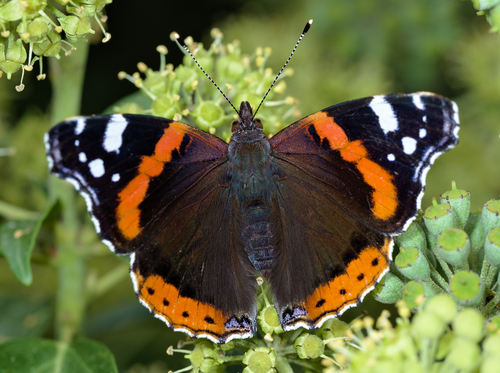
England, UK
Hier kann man sehen Admiral, Large Red Damselfly und Blue Emperor.
Führer anzeigen →

England, UK
Hier kann man sehen Asiatischer Marienkäfer, Saatkrähe und Admiral.
Führer anzeigen →
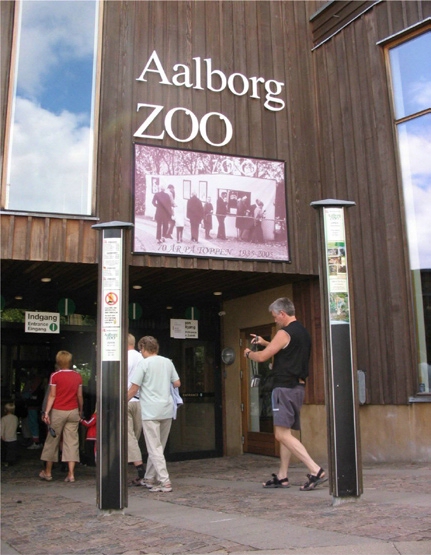
North Denmark Region, DK
Hier kann man sehen Haussperling, Eurasian Jackdaw und Common Wood-Pigeon.
Führer anzeigen →

Nouvelle-Aquitaine, FR
Hier kann man sehen Haussperling, Mauereidechse und Common Moorhen.
Führer anzeigen →

England, UK
Hier kann man sehen Black Swan, Alder Leaf Beetle und Buschwindröschen.
Führer anzeigen →












