Corn Bunting
Emberiza calandra
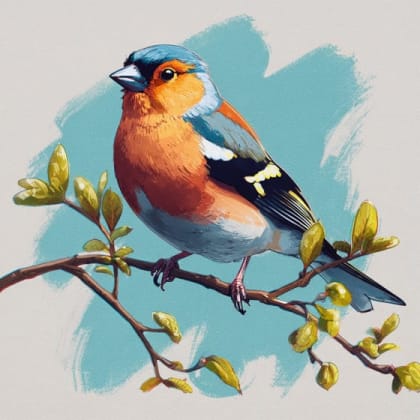
The Corn Bunting is a cheerful bird that loves to sing! It has a chunky body and a lovely yellowish belly. You can often find it perched on fences or singing from the tops of bushes.
Lebensraum: Grasslands
The Corn Bunting is a plump, streaky brown bird with a plain appearance and a short, conical bill. Both males and females look alike, lacking the distinct head patterns of other buntings. It blends well into its grassland and farmland habitats.
Kategorie
VögelSeltenheit
Common
Gefahr
1/5 · Sehr gering
Snaps
Mach den ersten Snap!
Its unique song sounds like jangling keys!
Males often mate with several females.
Their population helps show farm health.
They swallow tiny stones to aid digestion.
Corn Bunting has a unique, rattling song that sounds like jangling keys, which helps males claim territory and attract mates.
Corn Bunting can build expertly camouflaged nests directly on the ground, protecting its eggs from many predators.
Corn Bunting has a strong, conical beak that helps it efficiently crack open tough seeds for food.
Mainly eats seeds and grains, especially in winter, switching to insects and spiders in summer.
Altersunterschiede: Young birds (chicks) are fed protein-rich insects, while adults consume more seeds.
Falco tinnunculus
Kestrels hunt small birds in open fields.
Vulpes vulpes
Foxes prey on ground-nesting birds and eggs.
Triticum aestivum
They feed on seeds from cereal crops.

Poa annua
Buntings consume seeds from various common grasses.
Carabus nemoralis
Adults and chicks eat these common insects.
Gefiedert beschreibt Tiere, hauptsächlich Vögel, die ein Federkleid besitzen.
Soziale Tiere leben in organisierten Gruppen und kooperieren, um ihr Überleben zu sichern, beispielsweise bei der Nahrungssuche, Verteidigung und Aufzucht der Jungen.
Singende Tiere erzeugen komplexe Lautäußerungen, oft um Partner anzulocken, ihr Revier zu verteidigen oder innerhalb ihrer Art zu kommunizieren.
Grasland-Lebensräume sind terrestrische Biome, die von Gräsern und krautigen Pflanzen dominiert werden und einer Vielzahl von Weidetieren als Lebensraum dienen.

Dieses Merkmal kennzeichnet Lebewesen, deren Ernährung vollständig oder hauptsächlich aus pflanzlichem Material besteht.

Tagaktive Tiere sind hauptsächlich bei Tageslicht aktiv und ruhen oder schlafen in der Regel nachts.
Noch keine Alternativnamen vorhanden.
Gefahr
1/5 · Sehr gering
Enjoy watching birds from a distance and don't disturb their nests.
16-19 cm
23-26 cm
0.038-0.056 kg
2-8 Jahre
50 km/h
Mainly eats seeds and grains, especially in winter, switching to insects and spiders in summer.
Grasslands
Foraging
Zoome hinein, um Cluster aufzulösen und zu sehen, wo dieses Objekt fotografiert wurde.
Neueste Snaps erscheinen hier, wenn neue Beobachtungen hinzukommen.